Putting down roots: How reseeding can boost your bottom line
Research has shown that every extra tonne of grazed grass utilised is worth €181/ha for a dairy farm and €105/ha for a dry stock farm.
As the longest day of the year has passed us by, the peak growing season for grass will have too.
Often the topic of reseeding occurs as we move into late July early August. The majority of farms in Ireland have too high a demand for grass in early spring to get reseeding done early in the year.
Research has shown that every extra tonne of grazed grass utilised is worth €181/ha for a dairy farm and €105/ha for a dry stock farm.
The key areas of reseeding to look at:
- Soil structure/Soil fertility;
- Seed selection;
- Reseeding method;
- Nutritional benefits of reseeding.
The window for reseeding needs to be well time in order to establish a successful crop of grass.
The first question to ask yourself though is why you are reseeding this paddock. It is important to identify the reason as to why you are actually reseeding. Poor sward performance or animal performance may not always be the issue above the ground.
Look at the soil structure below the grass. The best way to assess soil structure is to dig a hole with a spade. Assess the structure of your soils to see are they are a good crumb structure with plenty of earthworms or is the soil compacted and the soil is hard to break up.
To get the most out of any grass sward, the nutrients of the soil need to be taken care of first. Aim to have soil pH at 6.3-6.5 for optimum growing condition. Having soils at the correct pH is worth 80kg of Nitrogen annually.
Assess your soil indexes’ is P and K at the optimum index of 3, or are they low at 1 and 2?
If the fields you plan on reseeding is low in P and K, it would be more important to correct this issue ahead of planting a new grass seed, likewise for the soil pH.
Understand and speak to your agricultural advisor on the areas you want to reseed and look at the type of land you are reseeding. Different varieties of grass will respond differently depending on conditions.
Grass seeds can be broken down into two groups; tetraploids and diploids.
Tetraploids are known to be of a higher palatability compared to diploids, but on appearance, are a more open sward and generally have lower dry matter content in comparison to diploids.
Tetraploids are best suited to free-draining soils where intense grazing is taking place. The diploid gives the appearance of a far denser sward once established. Diploids due to their dense nature will work well in heavier soils as they will help bind the soil together, leading to better blanket of grass which will reduce the damage done from poaching.
The majority of grass seed varieties will have a mixture of tetraploids and diploids, but it is worth mentioning to your seed supplier the type of area you intend on reseeding. Another important question to ask yourself is what is the purpose of the grass seed? Is it for intense grazing, specifically silage ground or a combination of both.
At all times, it is recommended to use grass seeds with the same heading date. Typically, intermediate heading dates, which are late May or early June, will suit Irish weather conditions. The use of the Pasture Profit Index is a must when looking at grass seed selection as these grass seeds have been trialled under Irish conditions and grown locally.
Reseeding methods:
- Plough till sow;
- Min Till;
- Direct drilling.
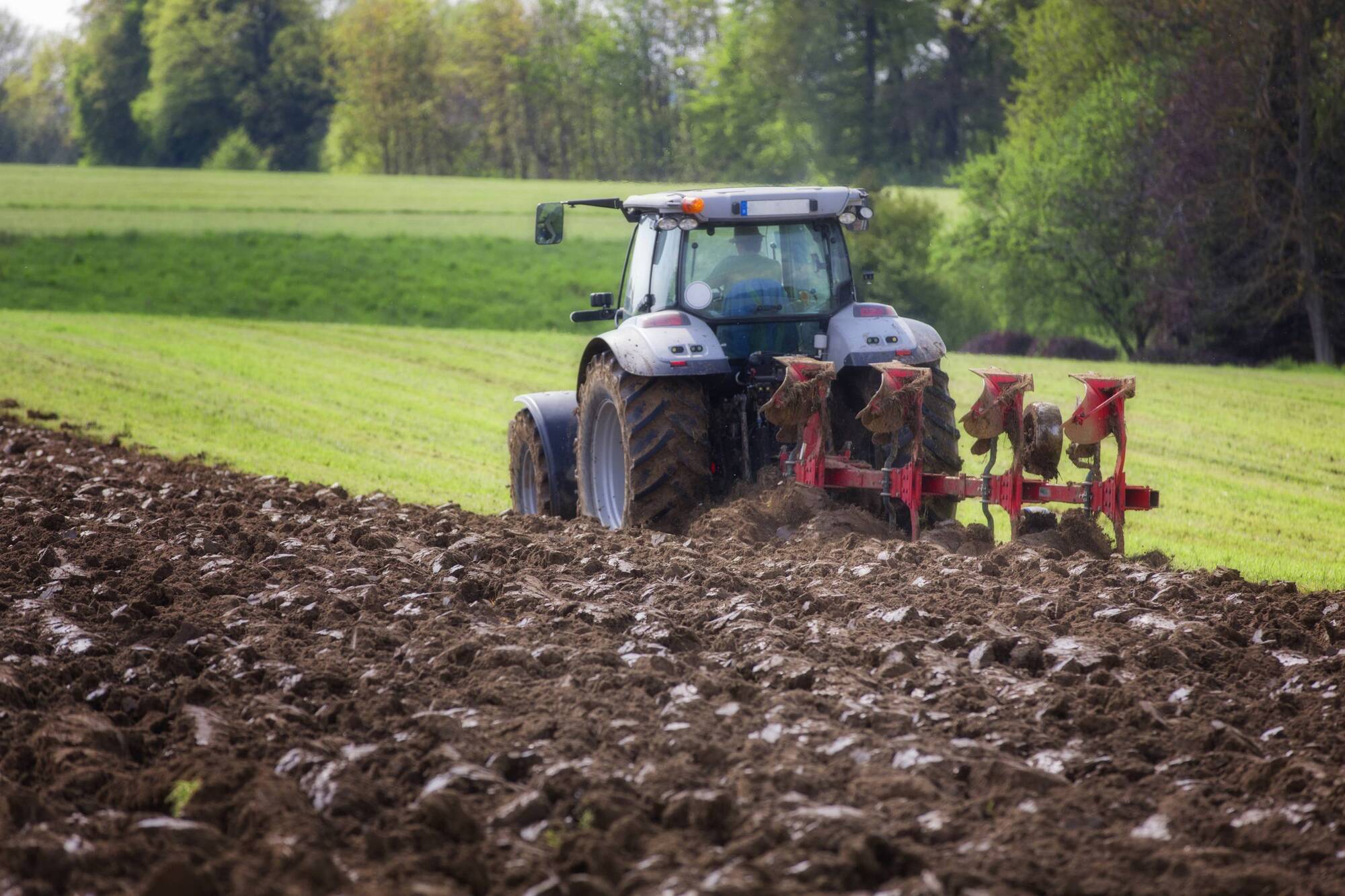
All three methods are effective, but decide as to why you should need to do a full plough till sow method. By ploughing a field, you are immediately reducing the number of earthworms which are natures cultivators.
Minium tillage is an excellent all-around method for reseeding existing grass swards. The use of discing or power-harrowing fields to create the seedbed for the grass seed should be the goal when using minimum tillage.
Ideally, the level of soil disturbance is kept to a minimum in a min till situation. The field needs to be sprayed off and any excess trash removed from the field before tilling. The advantage of minimum tillage is that the build-up of soil nutrients is not being turned over the disturbance to earthworms is minimal.
Direct drilling refers to directly sowing the grass seed into an existing sward through cutting a slit in the surface and inserting the grass seed.
Ensuring the older sward is killed off it vital for this method of reseeding to work. The challenge with direct drilling is the soil seed contact piece especially if ground is too dry or land is too hard.
Grass nutrition Grass makes up 90% of most of the diet for Ireland's dairy and beef herds. Nutritionally, grazed grass is potentially the best feed possible ruminants can eat. A highly palatable feed which is high in energy and protein.
The typical protein content of grazed grass is 20-25% to put this in context the protein requirement of a lactating dairy cow in an indoor system is 16-17% crude protein. The form in which the protein in grass is presented makes it easily digested.
Typical levels of fibre in grass are 40-42% NDF (Neutral Detergent fibre). This would be a lush leafy sward with little to no stem. The levels of fibre can be manipulated by the stage at which the grass plant is eaten. Typically, young growing grasses have lower levels of stem and, as a result, have a lower NDF.
High NDF grasses of above 50% can limit the cows’ daily dry matter intakes as cows become too full on a poorer quality material. Generally speaking, the higher the fibre content of the grass, the lower feed value there is.
As grass is a forage, the dry matter can vary depending on the weather and the stage of growth. Dry matter for grass can range as low as 12% up to 23% in drought conditions. The wetter the grass the higher volume of fresh weight a cow needs to eat to meet her daily requirements.
A grass plant grows one leaf per week so its fits nicely into a 21-day rotation. Aim to graze swards of 1300-1500kg DM/Ha. At this point and time, the plant will have high energy and healthy levels of fibre. Balancing good levels of fibre and energy is crucial to maintaining milk protein and butterfat percentages.
If you are thinking about looking at reseeding and why it might benefit your herd, speak to your local advisor and nutritionist as to how it might benefit your farm.