Changes to EU's Nature Restoration Law explained
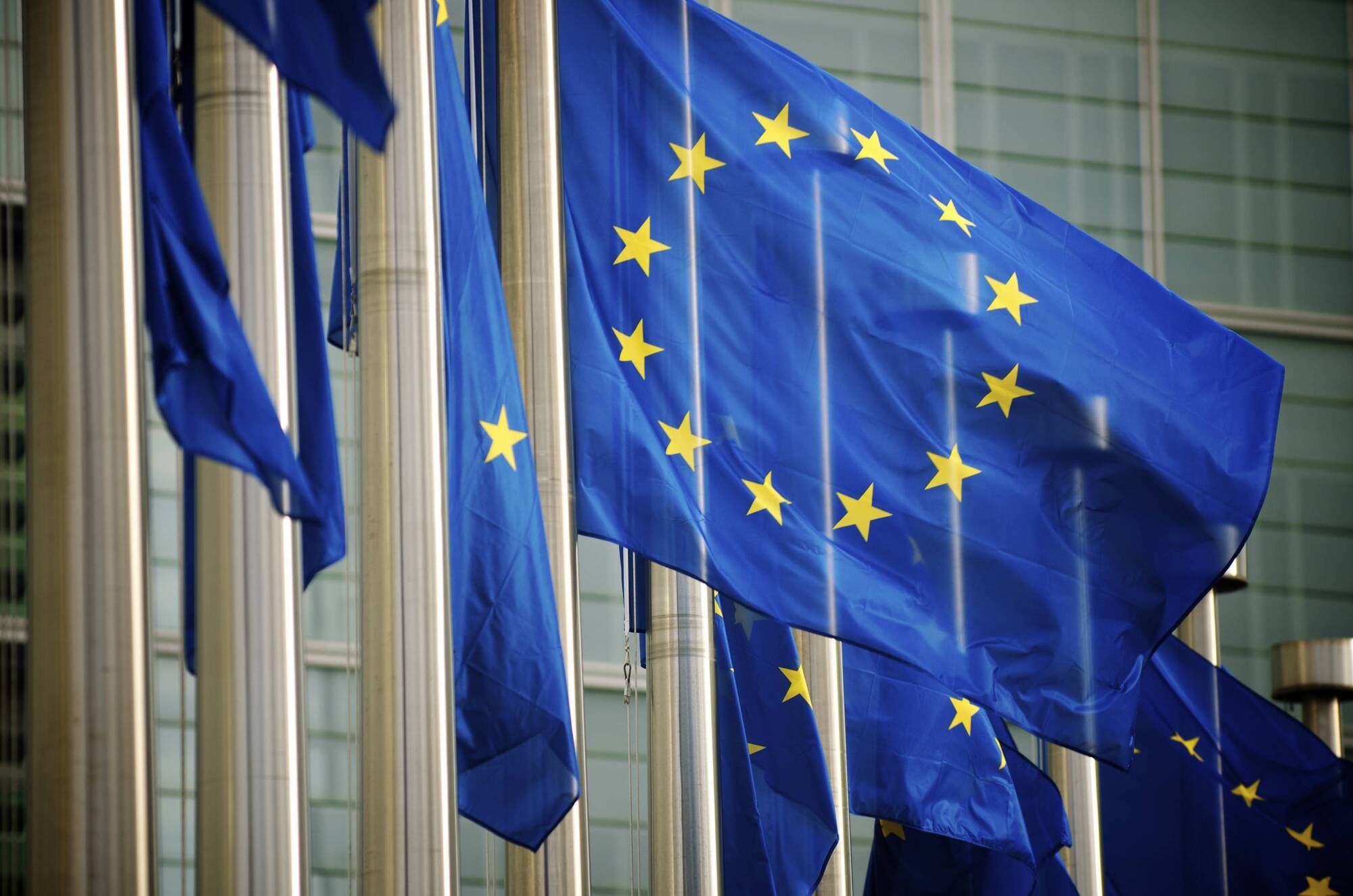
MEPs came to farmers' rescue on July 11, when they agreed the IED should exclude cattle farms, and the existing definition of 'industrial' farms remain.
Nature restoration in the EU survived a vote on July 12 by MEPs. However, opposers succeeded in moderating many of the proposals, which will be further discussed in trilogue negotiations.
They have also considerably toned down the Industrial Emissions Directive (IED), since it was revised in line with the European Green Deal.
Farmers were shocked last year when the European Commission updated the IED with proposals including every farm with 150 livestock units or more being subject to industrial rules controlling pollution.
This would have made about 13% of the EU's farms (about 1.36m farms) subject to monitoring, and penalties if their emissions were deemed to be too high, from 2027 onwards.
But MEPs came to farmers' rescue on July 11, when they agreed the IED should exclude cattle farms, and the existing definition of "industrial" farms remain (any farm with more than 40,000 poultry, 2,000 pigs, or 750 sows). That will be the European Parliament's negotiating position in trilogue negotiations on the IED.
Agreeing that position on July 11, and voting the day after not to reject nature restoration by only 324 votes to 312 (with 12 abstentions), MEPs made it clear they are out of step with member state governments and the Commission, and on the side of farmers disturbed by the radical European Green Deal proposals. Irish farmers, in particular, who are more environment-friendly than many on the EU mainland, have welcomed the support of their MEPs.
The MEPs' agreement on the IED is seen as a clear win for farmers' groups and their political allies, such as the European People's Party, the biggest in the Parliament, which has vowed to defend farmers' interests.
It is expected that the EPP will also back EU farmers in their opposition to the ambitious Green Deal proposals to slash pesticide use.
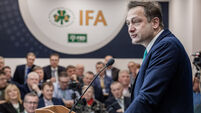
IFA President Tim Cullinan said the MEPs' stand on the IED was a victory for common sense.
“Farms are already heavily regulated, and they are not industrial units. We have a pasture-based system in this country. This was driven by ideology, not science, and it’s the thin end of the wedge to force a costly licensing regime on farming,” he said.
The IFA leader said including livestock farming within the IED was the completely wrong approach in the first place.
The industrial emissions directive is the main EU instrument regulating pollution from industrial installations and from intensive livestock farms. It requires them to operate in accordance with a pollution permit granted by national authorities.
Since 2010, the IED regulated about 50,000 of the EU’s largest industrial installations, from steelworks to meat-processing plants, and the largest farms, requiring them to comply with binding limits for pollutants.
Member states in the upcoming trilogue discussions will seek the pollution permit system for farms with 350 or higher cattle and pig livestock units, 280 poultry livestock units, and 350-plus livestock unit mixed farms. Only extensive (less than two livestock units per hectare for grazing, fodder, or forage) farms would be excluded.
In Ireland, the 350 units threshold would include more than 800 cattle herds (dairy, suckler, and others).
About 340 Irish pig and poultry farms already operate under EPA permits. If a facility exceeds 750 sows and/or 2,000 production pigs (pigs under 30 kg liveweight), it must have an Industrial Emissions Licence. About 120 pig farms operate under these licences.
The EPA requires poultry farms where the capacity exceeds 40,000 places to apply for industrial emissions licences. Bringing the EU threshold to 350 livestock units or higher would require pollution permits for many than the current number of Irish poultry flocks requiring licensing.
The 350 livestock units proposal agreed by member state environment ministers was supported by Italy, Lithuania, Cyprus, Romania, Bulgaria and Hungary. Ireland wanted a lower threshold, at 250 livestock units. The Netherlands wanted the Commission’s proposal of 150 (which, for example, would require pollution licensing for a dairy farm with 100 cows plus young stock). Denmark, Finland, and Luxembourg also wanted less than 350.
The permits would cover emissions to air, water and land, waste generation, use of raw materials, energy efficiency, noise, prevention of environmental accidents, and restoration of the site upon closure.
Following the European Parliament agreeing its position, further negotiation can now take place on the IED proposals between the Parliament, member states, and the Commission.
However, the three sides are so far apart that further political standoffs like that which surrounded the nature restoration proposals are inevitable. Once again, Ireland's pasture-based farmers will depend on the MEPs.