€500,000 for cattle handling simulators for use in agri colleges
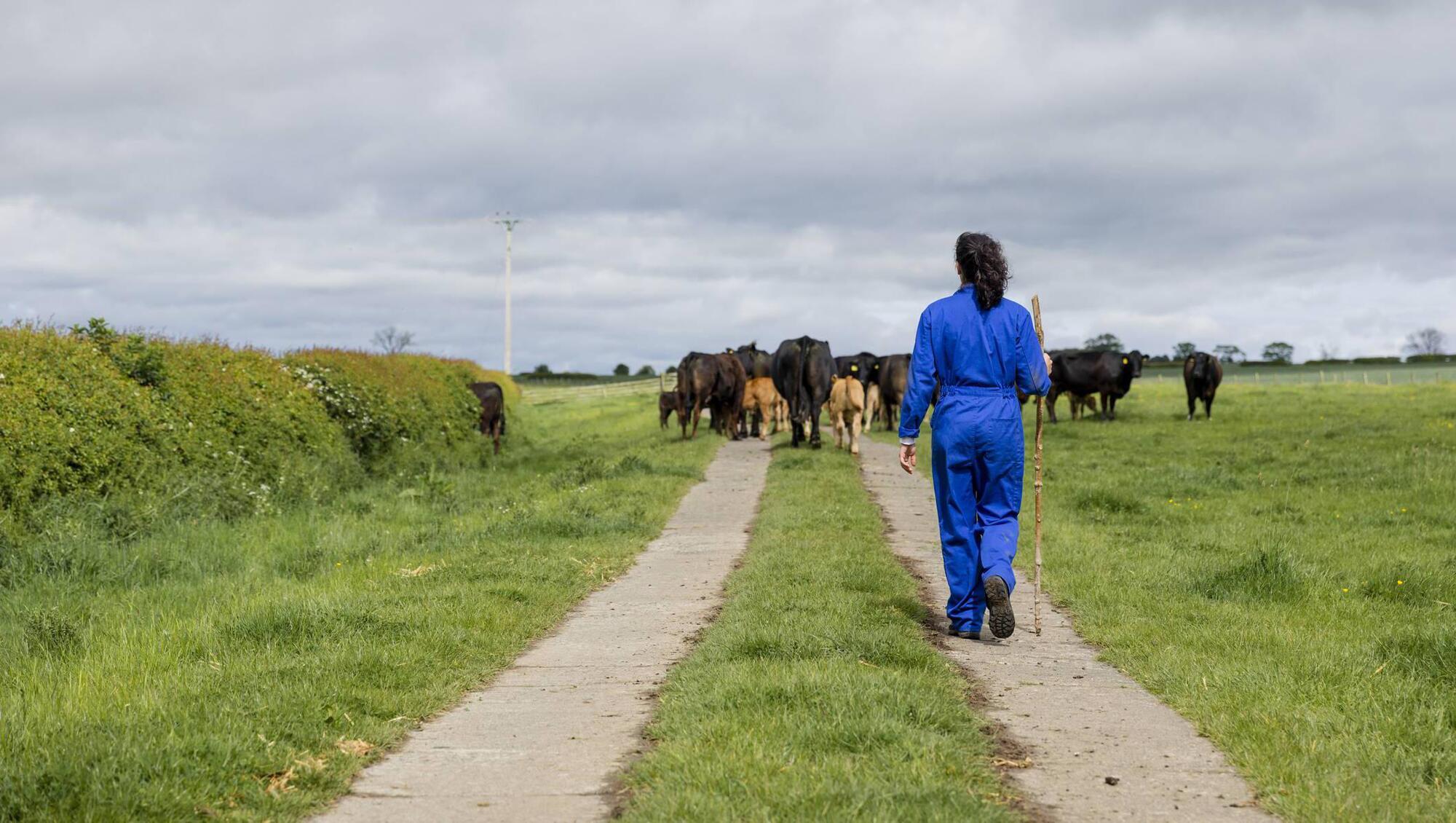
The use of bovine simulators has been shown to be an effective training tool when handling large animals. Through simulator use, conditions are created or replicated to resemble real-life situations, the Department of Agriculture has said.
The provision of €500,000 in funding to Teagasc for the procurement of calving and injecting simulators for use in agricultural colleges and research centres has been announced.
Cattle have been involved in almost a fifth of fatal farm fatalities over the past decade.
Data from the Teagasc National Farm Survey also shows that there are approximately 4,500 non-fatal incidents each year on Irish farms, with just over half of these incidents involving livestock.
The use of bovine simulators has been shown to be an effective training tool when handling large animals. Through simulator use, conditions are created or replicated to resemble real-life situations, the Department of Agriculture said.
Minister of State at the Department of Agriculture Martin Heydon, who has responsibility for farm safety, said that the training of students on handling livestock safely "presents a particular challenge due to the need for close contact with animals that can become stressed, particularly large animals".
"This investment of €500,000 in 11 bovine calving simulators and 11 bovine injecting simulators will give students the best opportunity to develop their livestock handling skills early in their career," he said.
"However, with bovine simulators, every student can practice cow calving and injecting skills in a safe environment until they are proficient and confident to progress to training on live animals.
"This investment will yield dividends not only for safer livestock handling but also the quality of training available at our education centres."
The simulators will be used at agricultural colleges and Teagasc livestock research centres and will be available to students completing courses at the colleges and also to students at the universities and technological universities who use the college facilities for practical learning.
The simulators are expected to be in use for the coming academic year.
Welcoming the announcement, Teagasc director Frank O’Mara said that the training of today’s agriculture students is the "pathway to making Irish farms safer places to work and live in the future".
"Using modern technologies to improve the health and safety training of these students is an innovative way of equipping the farmers of tomorrow with the skills to carry out routine tasks with livestock in a safer way," he said.
Teagasc head of education Anne-Marie Butler said that the use of simulators in Teagasc's learning environments facilitates the "application of health and safety training into active hands-on practice, which is invaluable".
"In excess of 5,000 learners per annum will benefit from these new simulators across our full-time, part-time, and distance courses," she added.