Hazell Mullins: We cannot bury our heads in the sand over drug resistance
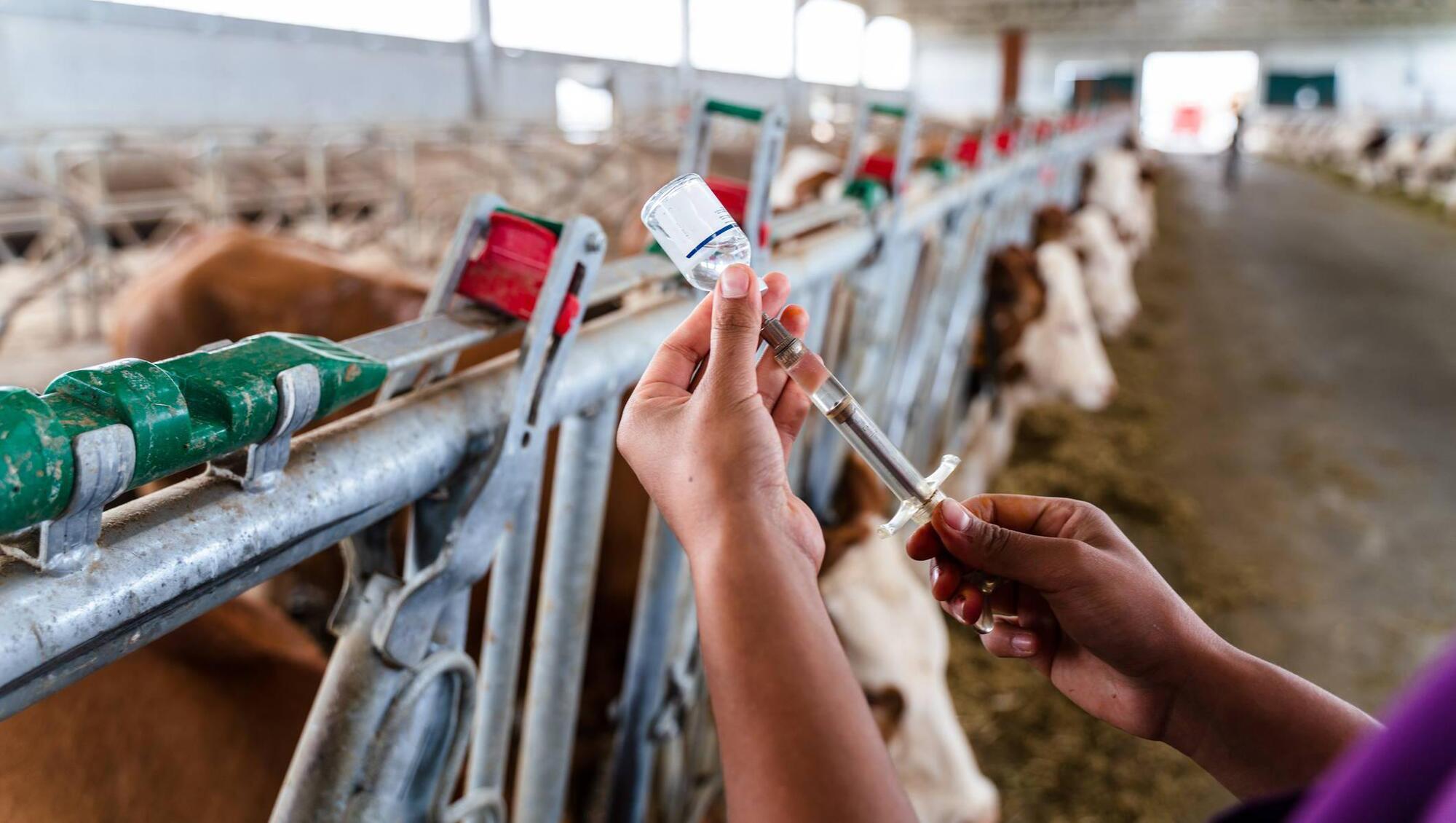
One Irish study discovered on a selection of Irish dairy and beef farms that 100% of the farms had ivermectin resistance

It is nice to be back to reality on the farm post wedding, the honeymoon is well and truly over and my first task on my return was taking faecal samples from our calves, I think that was as far from the Italian Riviera as you could be. Despite the lack of glamour involved in faecal sampling, diagnostics has a vital role to play in the parasite control plan on a farm. We have moved away from calendar dosing and now rely on results from diagnostics such as faecal egg counts, bulk milk sampling, and clinical signs to determine when to dose. The calves that have now been on grass for six weeks were not thriving and also their dungs were very loose, so this calls for sampling.
Resistance was perhaps something we chose to believe was not in Ireland and it was a problem in other parts of the world. We cannot bury our heads in the sand any longer as Irish research undertaken over the past number of years has proven that there is widespread resistance to anthelmintics currently in Ireland. One particular study by AC Kelleher et al 2020, discovered on a selection of Irish dairy and beef farms that 100% of the farms had ivermectin resistance, 73% exhibited resistance to Moxidectin, and 18% to Levamisole. This particular study highlights that we are at a pinch point in Ireland’s parasite story where we can change this narrative and start to treat antiparasitics with the respect they deserve.
To reduce resistance we need to ensure that an appropriate wormer is used, at the right time and at the correct dosing rate for the animal. After we wormed our calves we returned them to the same paddock again, this is called the “Dose, stay and move” technique which helps to keep pasture with a mix of worms, not just the resistant worms. If only the resistant worm eggs were found in a pasture these would be the only worms the next group of animals would be exposed to, whereas if you return the animals after dosing, any resistant eggs are amongst non-resistant eggs to reduce the resistant worm population.
The introduction of the Parasite Consult from Animal Health Ireland has opened my eyes to the willingness of farmers to adopt new ideas and reduce the unnecessary use of antiparasitics on their farms. For one thing, it is a waste of money if they are not required, and it also contributes to the very real issue of resistance on farms. The TASAHs are a fantastic opportunity to work with your vet to formulate a plan for parasite control on the farm. Your vet knows the history of parasites on your farm, the local weather conditions and not to mention access to all your previous diagnostics.
Included in the parasite TASAH each farm has access to two diagnostic tests, the samples I took pre-dosing for these calves will be our first test. The results showed a worm egg count of 800 eggs per gram plus the clinical signs of poor thrift warranted a dose of albendazole. I will take another sample 10-14 days after the initial sample to assess the level of resistance on our farm to albendazole, this is referred to as a drench test and is a great use of the two tests included in the consult. If using Levamisole the time frame is just 7 days between tests, the gold standard would be a faecal egg reduction test of individual animals with an initial Faecal egg count of over 100epg.
When taking the samples it's always essential to take them fresh as possible, a vet friend of mine, Charles Chavasse, has a great saying that the faeces need to be “hot and steamy”. The reason behind this is that any contact with the ground could result in the sample being contaminated with eggs from insects giving a false positive result. As a vet, I have seen some unusual containers dropped on the practice reception desk, raspberry jam that certainly wasn’t made of fruit. If you can collect sample pots from your vet it is preferable but always make sure to seal your containers correctly and place them in a clean labelled zip lock bag for example “calves 5 months old” or “ Weanlings”.
Take samples at the beginning of the week to allow time for the lab to process and keep them in the fridge if you get delayed in dropping them off to your vet. Keeping them cool but not frozen will reduce the number of eggs that could hatch to larva, altering the results and causing a false negative egg count.
With the advancement in technology in practice, lots of vets now have in-house automated faecal egg counting machines which allows a quick turnaround for results. It uses AI technology from thousands of stored images to identify and count the eggs in a sample. There was nothing like this available in practice when I qualified imagine 10 years ago, the sky is the limit to where veterinary diagnostics could go in the next 10 years. Call your vet today to ask about the diagnostics they offer in practice and also avail of your free Parasite TASAH which includes two samples on https://portal.animalhealthireland.ie/PCFR/.
The future of functioning antiparasitics is currently in our hands as both vets and farmers and resistance prevention needs to be a top priority. The overuse, incorrect use, and underdosing of antiparasitics have all contributed to our resistance story so far and it's time to focus our efforts on maintaining their efficacy going forward. There will be a lot of talk about EU regulations in the press over the coming months and the shift from LM status to POM. It is important to remember the overall goal of the new medicines regulation is to promote the responsible use of antiparasitics in Ireland. Your vet will have a huge responsibility in prescribing these antiparasitics in order to maintain a future where resistance is not hindering farming in Ireland.