Dealing with wet weather, and juggling grazing rotations and Nematodirus risk in North Tipp
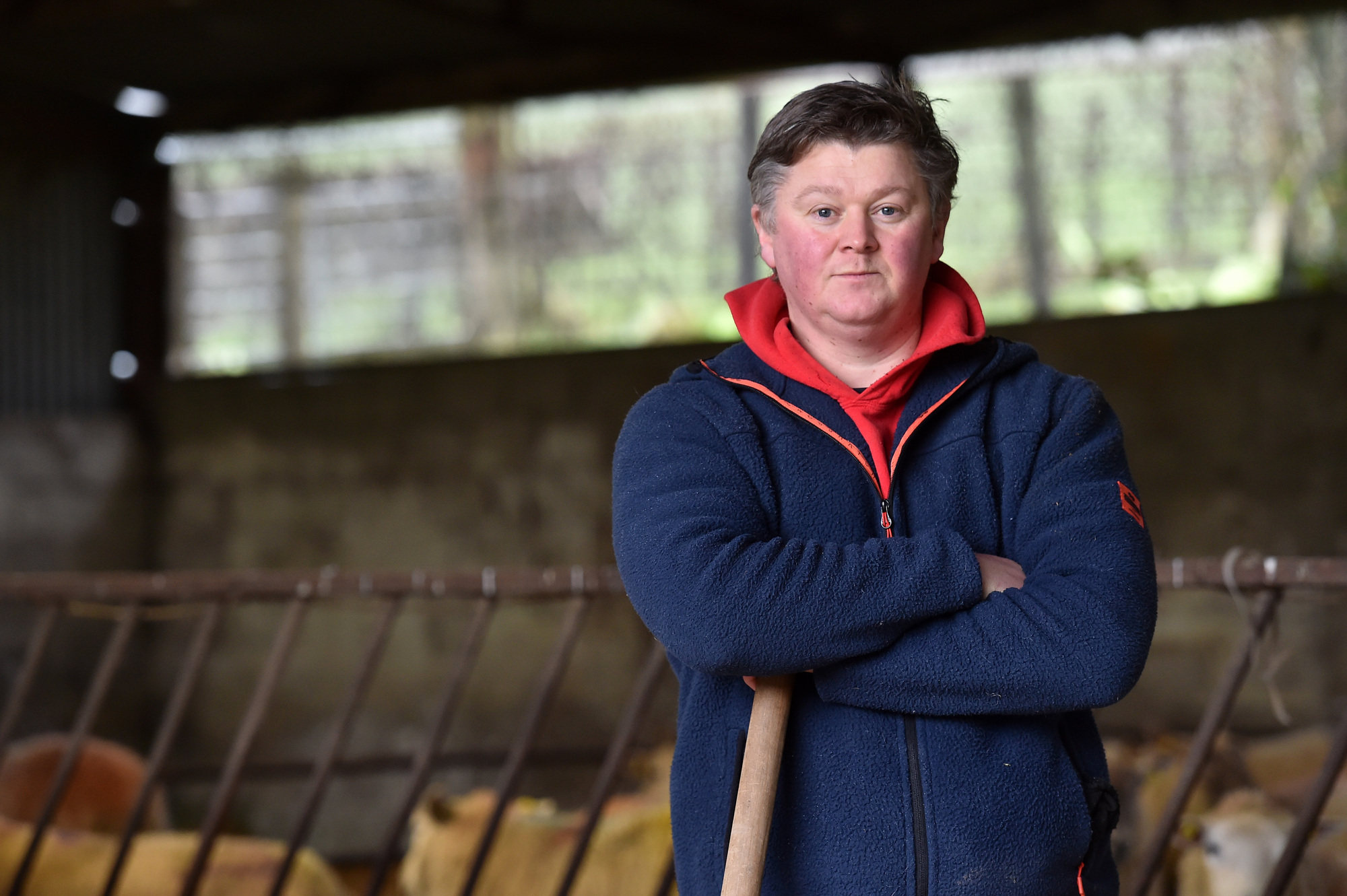
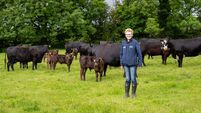
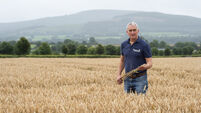
Des Powell at his farm in Templederry, Nenagh, Co Tipperary. Picture Dan Linehan
It's no secret that I am glad to be out the other side of lambing this year.
Lambing went reasonably well for me this year, with no major issues. But we did have a few difficult nights when stock had to be brought in because of the difficult weather in March and early April. I think it was the highest rainfall on record in March.
The bad weather made things challenging, but we managed to create space for groups of ewes and their lambs to be held in the sheds until conditions improved.
I did a grass cover this week and I have 18 days ahead of me, which is spot on. This means that I have enough grass for 18 days.
Walking the farm and doing the grass measuring has given me the confidence to make decisions around grassland management.
I am waiting for the rotation to settle down, as I had a herd test last week, which complicated the matter with keeping the cattle close to the yard to make things easier.
I have now closed up the silage ground and working on the basis that I am better off being a little tight rather than having too much grass around the farm.
If I have lots of grass and flocks are going into heavy covers, the quality of that grass is not great and then it’s a cascading problem in that the following paddock is even heavier because it’s taking so long to graze out the current paddock.
I hope I have the confidence this year to close up paddocks for silage; even if I am a bit tight for a few days, it will turn around quickly at this time of year once this cold spell passes.
I am dosing for Nematodirus at the moment using a white drench. I am doing this based on the DAFM forecast.
For the summer, my dosing regime will be based on faecal egg sampling. I will take a composite sample from 12-15 lambs each time. It needs to be a fresh sample.
I get the sample bottles from Athenry because I am in the Signpost programme, but I assume you could also get these from the vet.
The results always come back quickly, which is a big help in informing my management practices. The cattle were egg sampled recently and came back clean, which means I don’t need to dose for the moment.
The faecal egg sampling takes the guesswork out of dosing.
The sheep are first egg sampled at the end of May and done every two to three weeks thereafter, depending on the previous test's results.