Measures to tighten up on rural fly-tipping
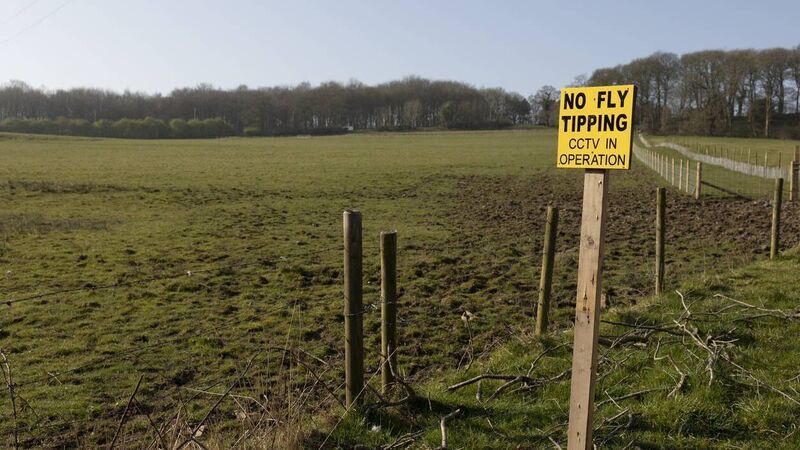
Coillte has spent almost €2m in removing dumped waste from its forests over the past five years.
Measures to tighten up on rural fly-tipping

Coillte has spent almost €2m in removing dumped waste from its forests over the past five years.

More people than ever are embracing the fresh air and recreational pull of forest walks, mountain hikes and other outdoor activities.

Most people keep their dogs under control, take home their rubbish, close any gates they open, quench picnic fires, and take away any rubbish they create.


But the same can’t be said for a minority of visitors who carelessly leave behind plastic bottles, food cartons and littered papers.

Their actions can sometimes lead to sheep being worried by dogs, or a gorse or forest fire spreading from a discarded cigarette end or a BBQ fire not fully extinguished.

Agriculture Minister Charlie McConalogue recently told the Dail that wildfire ignitions occur from a variety of sources, not just agriculture.

Many recent fires have occurred on land with no associated agricultural activity. They include bogs and public sites with open access used by the people for recreation.

Fires associated with illegal dumping on bogland are a particular problem. In 2020, some of the largest and most problematic fires resulted from recreational land user activities, he said.

Irish Natura and Hill Farmers Association vice president Pheilim Molloy recently sought new legislation around dog control, plus the provision of an education programme and public indemnity.

The call was based on a survey of members which showed a real concern relating to the threat posed to farmers and their livestock by walkers bringing dogs onto hills and farmlands.

He said the INHFA was asking Oireachtas members to legislate and ensure that all non-working dogs are banned from hills and farmlands.

While this may seem drastic to some people, it would remove any ambiguity about access with dogs and challenge the minority who either do not understand or are unwilling to respect the landowners’ property and livelihood rights, he said.

The INHFA is also calling for legislation requiring anyone accessing property for recreational purposes to have private and public liability insurance.

Mr Molloy said the unregulated encouragement of public access "adds to the risk of farms as workplaces in a manner that would not be tolerated under health and safety requirements in other industries.” 

He said they were seeing regular reports of fences broken, stock injured, and in some cases, wildfires being caused by ‘wild camping’ that has undermined Common Agricultural Policy payments to farmers.

Mr Molloy said the INHFA is also looking for public support to increase awareness around land ownership.

Its policy paper highlights a widespread ignorance of farming practices and ownership that many recreational users do not seem to appreciate.

Mr Molloy said there is a need for recreational users to understand that they are entering a place of work and livelihood when they walk on farmland.

Access to hills should not be seen as a public right. Where farmers are willing to facilitate such access, due respect, including the absence of dogs, is vital.

“We must also recognise that there are landowners that don’t want people on their property, and this right must also be respected,” he said.

Meanwhile, illegal dumping and fly-tipping in the countryside, including bogland, is another problem being linked to recreational land user activities.

Washing machines, fridge freezers, household waste, including black sacks with food, nappies, cans and bottles, tyres, beds, sofas, household furniture and building rubble have all been found dumped in recent years.

Coillte has spent almost €2m in removing dumped waste from its forests over the past five years.

This material is often discarded at forest entrances or along the forest boundaries, which makes it unsightly for visitors.

Illegal dumping causes serious damage to habitats and biodiversity, and pollutes soils, rivers and drinking waters.

Coillte says it takes the issue of illegal dumping extremely seriously and works closely with the Gardaí and the local councils to ensure offenders are prosecuted.

In known blackspot areas, it has increased surveillance by deploying remote cameras to monitor illegal activity and to help seek prosecutions.

PURE, an environmental project, has meanwhile made huge progress in combatting illegal dumping and fly-tipping in the scenic uplands of Wicklow and Dublin.

Ian Davis, Pure manager, said most regions in Ireland are reporting an increase in illegal dumping, but its initiative, the first of its kind in Ireland, is seeing a decrease.

It encourages local rural groups to adopt a mile or miles of road for litter picks, clean-ups, anti-dumping campaigns and other activities. These have resulted in the removal of over 4,000 bags of litter and rubbish.

Cork East Fine Gael TD David Stanton recently called in the Dail for an unrelenting national awareness campaign.

“It is a national blight, and it is polluting our rivers, seas, streams, and land. It is unsightly, toxic, and dangerous, and it needs to be stopped,” he said.

More in this section

Farming

Newsletter

Keep up-to-date with all the latest developments in Farming with our weekly newsletter.

Cookie Policy Privacy Policy Brand Safety FAQ Help Contact Us Terms and Conditions

© Examiner Echo Group Limited