Increased 'tail bounty' sought for mink
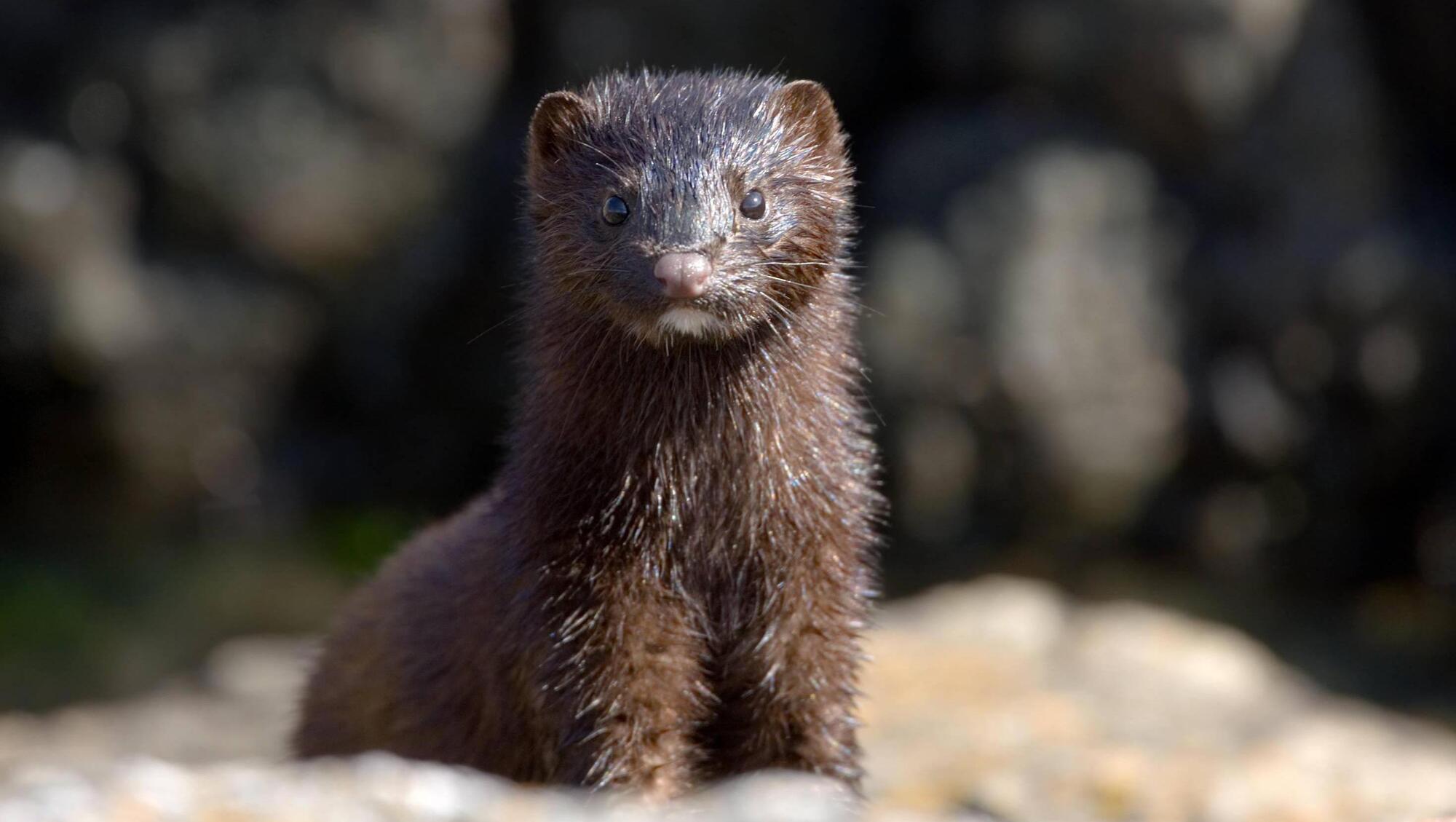
Tipperary TD Jackie Cahill, who made the call, said such a bounty was introduced for mink several years ago
An increased €20 tail bounty on mink was sought in the Dáil in a bid to protect fish and wildlife across rural Ireland.
Tipperary TD Jackie Cahill, who made the call, said such a bounty was introduced for mink several years ago.
“It is known as the 'fur bounty' or the 'tail bounty'. It was introduced at €3 per fur tail delivered. That needs to be revisited. I suggest a figure of €20 should be paid,” he said.
Deputy Cahill said this should be done on a national scale through clubs interested in conservation and protecting the wildlife and fish life in these areas.
The bounty would finance the clubs interested in protecting these habitats and would be a win-win situation for all involved.
Deputy Cahill warned that if the mink issue is not addressed, they will decimate all forms of species in rural Ireland.
"Hares and young pheasants are suffering as well. The list is endless. Mink has no prejudice as regards the young wildlife or fish it will kill," he said.
"Fishing and angling groups and gun clubs are extremely concerned about mink, an invasive species that has no natural predator.
“It kills for fun and for sport. It is doing untold damage to other wildlife and fish life. In Lough Derg, for example, it is having an impact on tourism, as fish stocks are being seriously depleted by mink.
“It is the same for one species, in particular, the waterhen. If you walk along any river now, you will not see a waterhen anywhere. They have been completely decimated by mink,” he said.
Minister of State Malcolm Noonan said Deputy Cahill had highlighted a serious imbalance in nature in general across the country.
The National Parks and Wildlife Service is responsible for implementing the Wildlife Acts and the European Communities (Birds and Natural Habitats) Regulations.
Both prohibit the spread of invasive species. In addition, an EU Regulation on invasive alien species provides for a range of concerted measures.
Together, these instruments make up the legislative framework for dealing with invasive alien species in Ireland. Public bodies, Departments, and agencies countrywide work within it.
Under this legislative framework, responsibility for dealing with invasive alien species rests largely with landowners.
He said the Department carries out important work to manage and control invasive species in its national parks and reserves. But it does not have the resources at its disposal to undertake such work on a wider scale.
Minister Noonan said much of the work tackling invasive alien species happens at local level and is carried out by local authorities in their areas through their own biodiversity action plans.
These projects include the control of species such as Japanese knotweed and quagga mussel, along with awareness and education projects on how to tackle invasive alien species.
“While excellent work is being done at local level, there is a need for greater coordination and coherence in the overall approach to this issue.
“In this regard, a national invasive alien species management plan was included in the programme for Government and has been prioritised in the Department.
“The plan is in its early draft stages and will operate on a national scale, but the involvement and cooperation of key stakeholders at local level will continue to be crucial to its successful implementation,” he said.
The NPWS is also responsible for implementing the EU invasive alien species regulation in the national context.
Minister Noonan said the localised scheme that Deputy Cahill spoke about concerning mink is administered by the National Association of Regional Game Councils.
The scheme commenced in 2012 and involved a bounty on mink as part of the wider effort to protect ground-nesting birds in western counties.
“I understand this scheme ran for three years until 2015 and is no longer in operation. As with any scheme, it might be supported by grant aid. Its renewal and expansion would need to be discussed,” he said.
Deputy Cahill said the Minister had stated that the NPWS does not have the resources at its disposal to undertake such work on a wider scale.
“I accept that, but with a bounty, through the conservation clubs and fishing and angling clubs, the workforce will be there to do this.
“They know the terrain and how to trap mink. They would be well able to do it and would do it efficiently."
Minister Noonan said mink were causing utter destruction of wildlife. They had looked at the costing of a total eradication. Other countries have done it. It is very costly.
“Despite the increased resources we have received for the NPWS, we would not have the financial or human resources to do that at this stage. Ultimately, the objective would be to remove them from the countryside.
“I will go back to the Department and see if there is any way to revisit that pilot scheme, as a pilot or on a wider scale, and look at what the bounty might be, he said.