Karen Walsh: My new bull isn't up to the job - how can I get my money back?
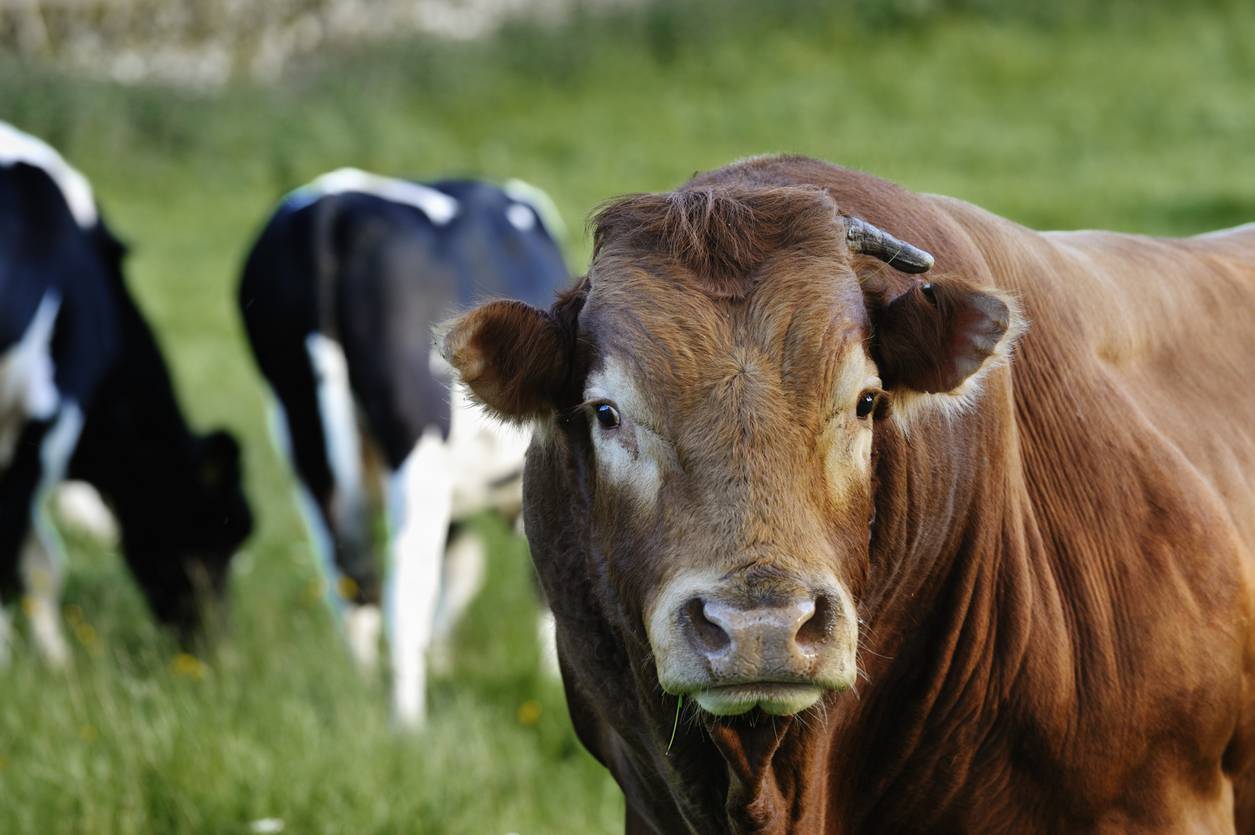
While complete infertility of bulls is rare, approximately 20% of bulls are subfertile and will get some animals pregnant, but it will take several attempts and, therefore, more time, writes rural solicitor Karen Walsh.
Karen Walsh: My new bull isn't up to the job - how can I get my money back?

While complete infertility of bulls is rare, approximately 20% of bulls are subfertile and will get some animals pregnant, but it will take several attempts and, therefore, more time. 

Dear Karen, 

I bought a bull at a pedigree sale, but it hasn't got any of my cows in calf. Fertility testing that I got done has showed that there are some good swimmers - but not many, so the seller is disputing my claim that the bull is infertile.

Can I get my money back (or even compensation to cover the delays in calving, as well as the cost of feeding and housing the bull?)

Dear Reader, 

This is most unfortunate. Keeping a defective bull is expensive. 

While complete infertility of bulls is rare, approximately 20% of bulls are subfertile and will get some animals pregnant, but it will take several attempts and, therefore, more time. 

As most farmers calve their animals in the spring or autumn, the consequence of a sub-fertile bull is more empty females at the end of the breeding season.

A sub-fertile bull will also lead to a spread-out calving pattern, creating inefficiency, which can significantly reduce farm profits. Therefore, subfertile are just as much of a nuisance as infertile bulls and should be identified.

Disputes in relation to infertile animals are common, especially, when they have replenished to affect the reproduction capability of your herd.

Terms of sale

If you are buying the bull at a pedigree sale, you should review a copy of the sales catalogue for the sale at which you purchase the bull as each party's respective rights and obligations can depend on the conditions of sale, which are contained in the relevant sales catalogue.

In general, the sales catalogue provides that the pedigree history and description of each animal shall be guaranteed and warranted to be correct in all particulars where the person whose name appears as seller.

The sales catalogue for society premier bull sales often provides a bull fertility guarantee and indemnity in circumstances where fertility cannot be guaranteed at the time of sale. 

They can provide that the seller guarantees that each bull is capable of getting stock in calf by natural service from 14 months of age, which shall be deemed to be fulfilled as soon as five females, or 50% - whichever is the lesser number of animals put to the bull are in calf to the bull by natural service subsequent to the sale. 

The terms of the guarantee need to be examined closely, for example, it provides that all bulls are guaranteed by the sellers to be capable of natural and effective service for 90 days from the date of sale.

However, any bull that is not capable, arising from injury or illness after the sale, is not covered by the warranty. Furthermore, any bull which has not been proven to be incapable of natural and effective service before it dies is not covered by the warranty. The procedure for notifying the problem is also set out in the sales catalogue.

Most private sales are agreed orally between the buyer and the seller, and it is each person’s word against the other in the event of a dispute. If the seller induced you into buying a bull by stating that it was suitable for breeding, it may be regarded as a warranty given at the time of sale.

Therefore, the seller who provided this information could be held liable for loss and damage arising from the fact that the bull was not fit for breeding.

Unless the seller could prove that the bull was fertile on leaving his farm, it would be difficult for him to argue that he became infertile at a later point under your care. 

However, it would be open to the seller to inspect the bull at your premises to ensure that any incapacity was not caused or contributed to by injury or illness, which occurred while the bull was on your farm.

If there is still a dispute, this is an issue which the parties should try to sort out between themselves, as the legal costs of pursuing this matter would, in the majority of cases, outweigh the value of the bull.

Karen Walsh, from a farming background, is a solicitor practising at Walsh & Partners Solicitors, 17 South Mall, Cork, and 88 Main Street, Midleton, Co Cork, and also the author of 'Farming and the Law'. Walsh & Partners also specialises in personal injury claims, conveyancing, probate, and family law.

Email:  info@walshandpartners.ie 

Web: www.walshandpartners.ie

  • While every effort is taken to ensure the accuracy of the information contained in this article, Karen Walsh does not accept responsibility for errors or omissions howsoever arising. Readers should seek legal advice in relation to their particular circumstances at the earliest opportunity.

Readers can email their questions for this column to Karen at  kwalsh@walshandpartners.ie with the subject line "Farming question".

x

More in this section

Farming

Newsletter

Keep up-to-date with all the latest developments in Farming with our weekly newsletter.

Cookie Policy Privacy Policy Brand Safety FAQ Help Contact Us Terms and Conditions

© Examiner Echo Group Limited