Mycotoxin survey: Watch out for exposure from dirty maize
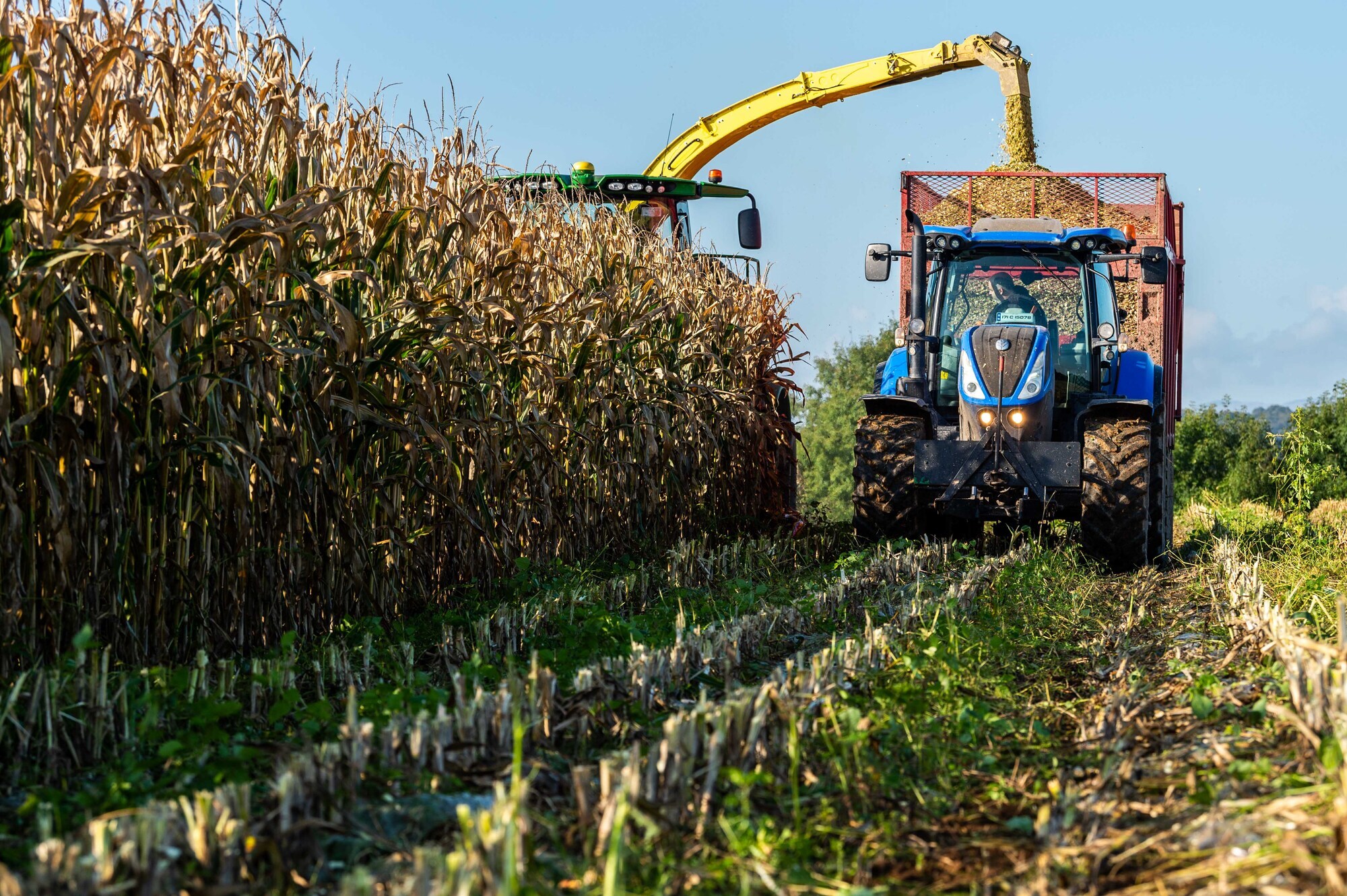
84% of maize samples tested positive for DON. File picture. Picture: Andy Gibson.
If you're feeding maize, you likely have a mycotoxin problem on your farm, delegates at a recent ruminant nutrition were told.
Breaking down the results of this year's mycotoxin survey, Laura Quinn, Ruminant Technical Species Expert at DSM, said: "When plants get stressed - whether that be drought, weather-related or disease - they can be vulnerable to being attacked by fungi, and mycotoxins are toxic secondary metabolites which are released by the fungi.
Biomin and DSM have run the survey since 2004.
The firm analyses over 20,000 samples a year and offers localised predictions for mycotoxins based on weather patterns.
"Mycotoxins are anti-protozoal, anti-bacterial and anti-fungal, which is great for disinfectant, but considering in the rumen we are trying to use these to break down feed materials to produce milk, we don't want them having that effect in the cow."
In dairy animals, mycotoxins have been linked with reduced feed intake, lower milk yields, liver inflammation, lower vaccine efficacy, and lower fatty acid production, among other production and health issues.
There are currently more than 1,000 mycotoxins identified, with more being discovered by scientists all the time.
This year Deoxynivalenol (DON) was detected in 28% of wheat samples, 16% of barley samples and 84% of maize samples tested in the UK and Ireland.
"28% of wheat samples tested positive for DON, but it was at really low levels, so I wouldn't be too worried about wheat diets," she said. "However, with the barley samples, while only 16% of samples tested positive, there were some very high results. 84% of maize samples tested positive, so if you've got maize in the diet, you've probably got DON.
"This was reflected on the forage side of things too - so if you've got wholecrop, barley or wheat or maize silage we were seeing similar results there."
Meanwhile, Zearalenone (ZEN), the other significant mycotoxin which emerged in testing, was found in 61% of wheat samples, 21% of barley samples, and 64% of maize samples analysed across the two countries.
"Wheat again showed relatively low levels of ZEN. Again, for barley, fewer samples tested positive, but there were some really high levels in it. And for maize, a lot tested positive and the levels were very high.
"Because maize is harvested later in the season, it has more exposure to any fungal attack, which could then lead to mycotoxins, and with it being a drier plant it is also more at risk to fungal attack.
"We also found some Type II Trichothecenes, Ochratoxins, [among others] but these were the ones at the highest levels and will be causing more problems as a result."
Ms Quinn said it was important that farmers assess their risk level and use a suitable mycotoxin binder if the herd is considered to be at risk.