Hazell Mullins: The ketone diet – not an option for our ewes or cows
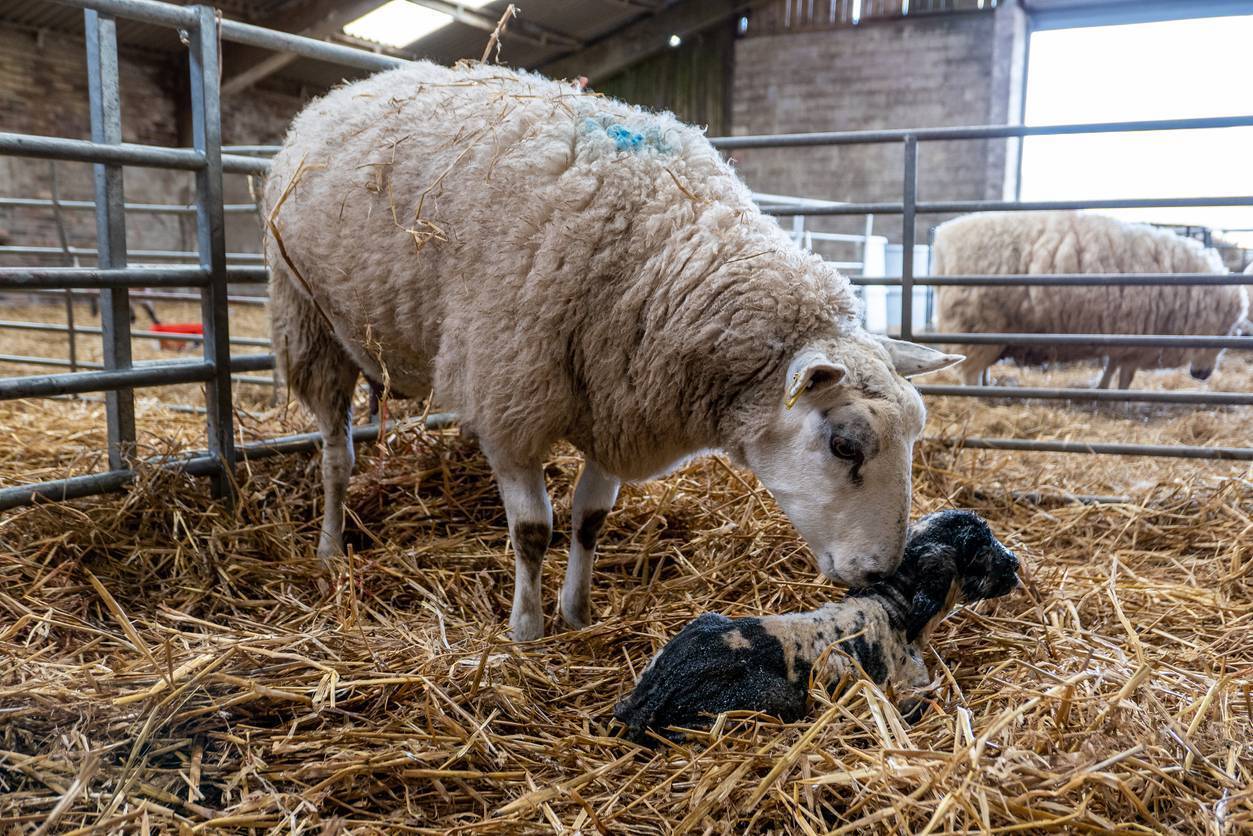
Ketones are associated with numerous disease processes in livestock like cows and sheep.

For years, I have been bombarded with diet culture on social media, and as usual, it was in overdrive during the month of January.
'The Ketone Diet’ is one that, like clockwork, pops up claiming profound weight loss benefits.
Yet, as a vet, a ketone diet is the last thing I would ever recommend for the simple fact of how detrimental ketones are to the health of both cows and sheep.
Ketones bodies are a by-product of excessive fat metabolism by the liver, where body fat is mobilised for energy when no other source is available.
This occurs during times of negative energy balance where the animal has no choice but to use reserves of fat for energy.
For the cow, this usually occurs in early to peak lactation and for the ewes, it is when they have multiple lambs close to lambing.
Subclinical ketosis can cause conditions, such as Displaced Abomasums, that can be linked to high ketone levels which impede dry matter intakes.
Poor immunity has also been linked to the presence of ketone bodies in the blood, predisposing animals to infections such as mastitis and metritis.
The phone call describing a cow with nervous signs - acting aggressively, and erratically licking gates is a classic clinical nervous ketosis cow presentation.
Thankfully, nervous ketosis is rare in practice, but less severe signs such as poor appetite, milk drop, and firm faeces usually come under the umbrella term of ‘off form”, or when I was in the UK they called it “Slow fever”.
Fatty liver is another form of ketosis and can be fatal for the cow.
In sheep, Twin lamb disease presents usually as the recumbent, 'star-gazing', blind ewe close to her due date.
The older and more conditioned ewes with multiple lambs are the most at risk of developing the disease.
The key to treating these clinical animals is supplying them with an alternative source of energy to this unwanted fat mobilisation.
Unlike humans, ruminants cannot absorb glucose from the gut directly, energy has to be administered in a form that can be created into glucose by the rumen.
This is where the propylene glycol drench has its moment of glory and is advisable to have on standby this spring. For more serious clinical cases, IV glucose may be required from your vet.
I must resort to my trusty ketone meter, which is a more objective measure of ketones. It’s a vital part of my kit when examining any sick fresh calver or late pregnant ewes.
There are also pen-side milk strips available, which turn a purple colour when ketones are high in the milk.
For dairy farmers at this time of year, a good way to know the energy status of your overall herd would be to take a sample of bloods.
Calcium levels can also be included in the tests, which ties in with last week’s topic, subclinical milk fever - the two conditions can be present together.
There is a great transition cow blood profile package available from Farmlab at the moment, which gives a great insight into a farm’s transition cow management.
Similar metabolic profiles are available for ewes to monitor the flock energy negative energy status.
The fact that ketones are a metabolite of fat breakdown, the aim would be to have cows below a BCS score 3.5 out of 5 at calving.
Similarly, it is important not to have over-conditioned ewes at lambing and to feed in accordance with their scanning results ensuring that ewes carrying multiple lambs receive enough energy.
Beautiful stock marker colour-coordinated pens of ewes post-scanning make me very happy when visiting sheep farms before lambing.
Dry matter intake around calving or lambing is very important as ruminants naturally have a lowered appetite at this time. We need the diet to be extremely palatable and also ensure that it is easily accessed at the feed face.
For cows, there should be greater than 60cm of feed space per cow, supply fresh feed daily and make push-ups of the feed to the barrier a priority during the day.
For ewes, it is recommended they have 20 cm of feed space for fodder feeding and between 40-60 cm for meal feeding according to the weight of the ewe.
I know myself, that it is easy to focus solely on the content of the diet (which is still important); however, it’s the simple things that shouldn’t be overlooked, such as checking if stock can easily access the diet.
Talk to your vet about any concerns about negative energy balance and Ketosis to implement diagnostic and preventative measures.