Hazell Mullins: Set your herd up for dry period bliss
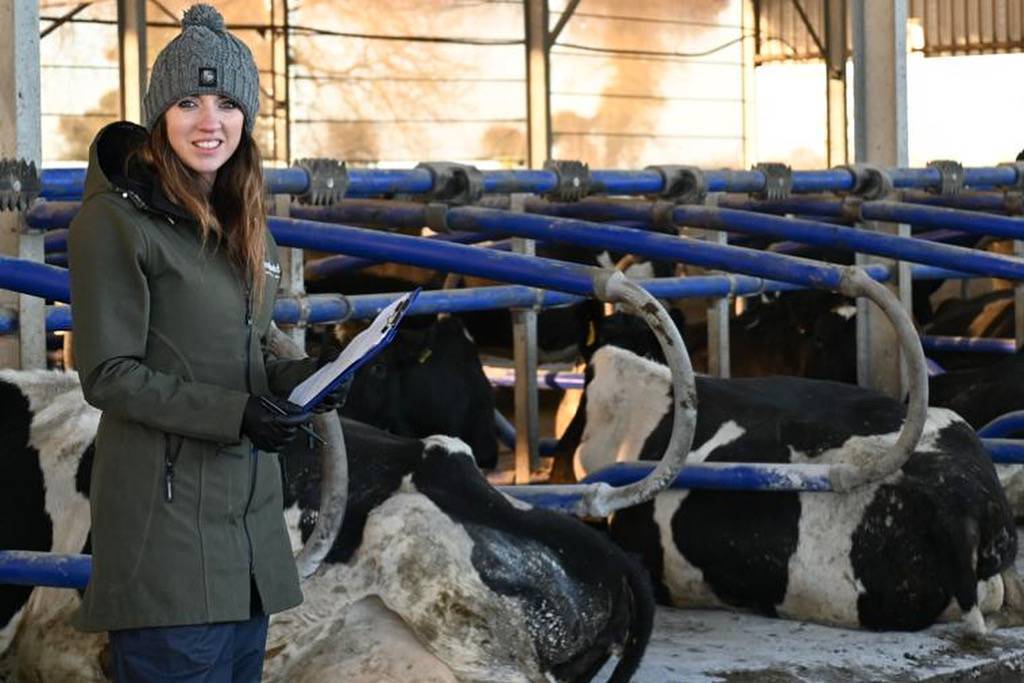
Hazell Mullins

Now that we have swapped our selection boxes for selective dry cow therapy, we can kick off 2023, ensuring we have a successful dry period on-farm.
The majority of the spring calving cows will be “on their holidays” at the moment, enjoying their dry period. Admittedly it is a quieter time of year on the farm, but this is an important time to ensure hygiene is one of the main focuses on-farm.
With the introduction of the EU veterinary medicines regulation in January 2021, this will be the first dry period that the use of blanket dry cow therapy is not permitted, meaning hygiene during the dry period is now more crucial than ever.
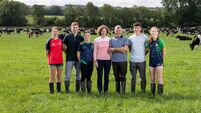
My dad and I have dried 60 spring-calving cows off on our farm in Carrignavar, Co Cork; however, whether you have four or 400 cows, the basic principles of hygiene during the dry-off period stay the same.
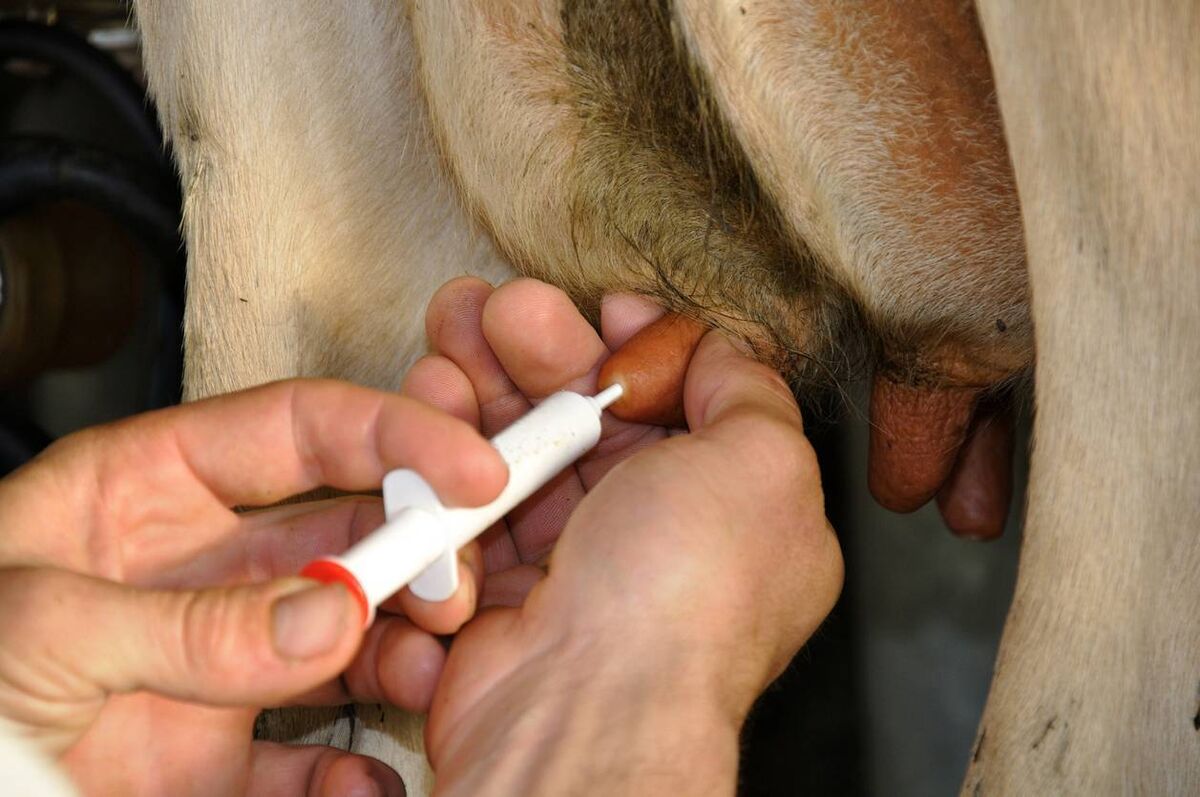
As a vet, we often need to re-scrub for surgery if we touch off something which breaks our sterility, and this goes for selective drying off also. Keep lots of cotton pads soaked in surgical spirit handy, and don’t be afraid to use them.
The main risk periods for infection of the udder are the first two weeks post dry off and the two weeks prior to calving due to the teat seal composition of the cow. Despite these higher risk times, clean and dry cubicles are essential throughout the dry period, as it’s been shown that some cow’s teat seals do not form correctly.
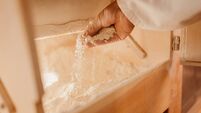
Twice a day scraping and liming is gold standard throughout the dry period. Using 10-30% hydrated lime blended mix with ground lime is ideal for cubicles as it ensures anti-bacterial properties whilst not irritating the cow's skin as pure hydrated lime would.
Lime works by raising the pH to about 12.5, therefore, suppressing bacterial growth in the induced basic environment. It is recommended that no more than 170g of hydrated lime daily per cubical is applied to prevent teat skin damage.
I see more and more farmers adding sawdust to lime or buying prepared sawdust and lime blends, which can help with the absorption of liquid but needs to be removed from cubicles when soiled.
Poor-quality sawdust can lead to a serious type of mastitis caused by a bacteria called Klebsiella, which has an affinity for wood.
My lime-covered apron and my now white-tinged wellies are my badge of honour that I am upkeeping my ladies' high hygiene standards.
Don’t forget to always wear a mask and goggles too, when spreading lime, as it can pose a risk to your own health. I realise that as the dry period progresses, liming can become a tedious job but be aware that the effort that goes in now can prevent mastitis issues in early lactation.
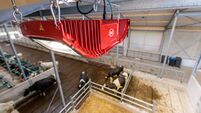
Anything that reduces contamination of the cubicles, and therefore, udders, is an added benefit for dry period hygiene, simple tasks like clipping tails, scrapping build-up areas and increasing the frequency of automatic scrappers can all help.
Remembering the basics is key to successful hygiene protocols during the dry period and keep up the consistency.
Contact your vet if you have any questions regarding hygiene in the dry period.
- Hazell Mullins is a large animal Vet at Highfield Veterinary Group.