Rebates to help with soaring energy bills
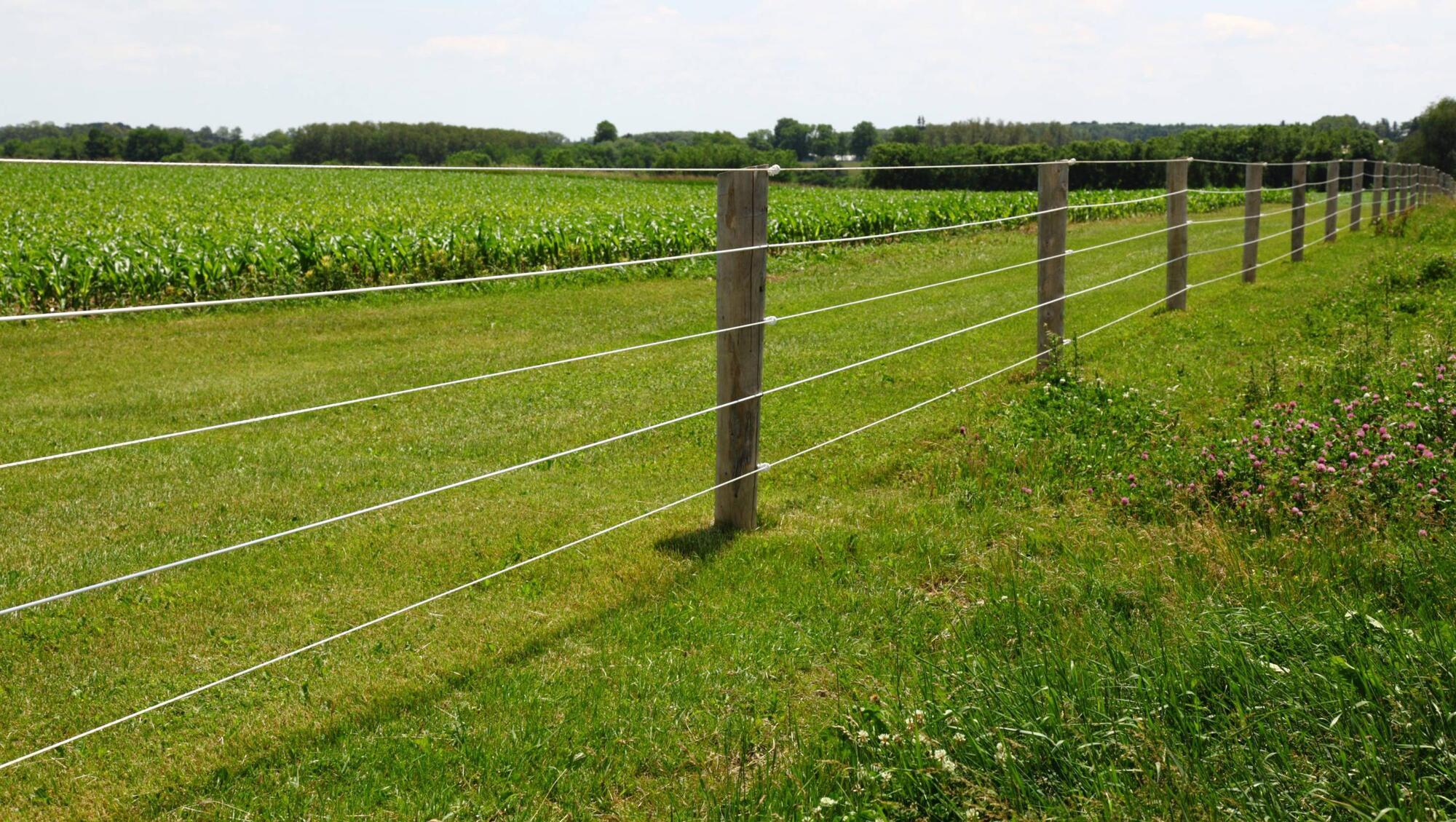
A typical dairy farmer using 2000kw per month for a 100 cow farm could get a €192 monthly rebate.
The Budget presented a few months back by Minister Paschal Donohue announced a new Temporary Business Energy Support Scheme would be introduced to assist businesses in meeting the rise in costs of electricity and gas.
That TBESS scheme has now come to life and businesses or their agents such as accountants or tax advisors acting on behalf of the business, can apply register for the scheme and apply for a subsidy towards the increase in electricity or gas costs. The scheme is open to tax-compliant businesses that carry on a trade or profession where there has been at least a 50% increase in electricity or gas prices since the corresponding period in 2021 and the start of 2022.
The scheme is retrospectively available from September. For example, a business wishing to make a claim for a subsidy towards their September 2022 electricity or gas costs can now make such a claim so long as their electricity or gas costs have risen by a sufficient degree. The reference periods are broken down month by month, meaning that a business may qualify for one month but not for the next and visa versa depending on how their circumstances.
One would imagine the establishment of the rise in costs could be worked out easily by taking the unit price for the electricity for example for September 2021 and comparing the unit price for electricity for the month of September 2022 to determine if the price per unit has hiked by the requisite bar of 50% in order to be eligible for the rebate. That in principle makes sense in that the difference is worked out on a per unit basis rather than a whole of bill basis as the latter would simply encourage misuse of electricity or gas, but the calculations are a little trickier as one must take the total amounted billed, exclude the VAT and apportion that cost over the units used in order to get an adjusted unit price that also factors in standing charges, PSO levies, discounts and other adjustments.
Where an electricity or natural gas bill covers only part of a claim period then it will be compared with a proportionate amount of the electricity or natural gas costs for the reference period in determining the eligible cost amount. A monthly cap on the amount of subsidy applies, and claimant details will be published along with details of the number of claim payments made. Making a claim involves you or your agent first registering for TBESS via Revenue’s online system.
In registering you must provide details of your MPRN available on any electricity or gas bill (unique Meter Point Reference Number) along with details of your trade or profession. Once registered for TBESS, and following a 24-hour update period on ROS, claims can be submitted via the e-repayment function. If you are not already directly registered for ROS you will need to apply for a ROS access number (RAN) which are applied for online but issued by post as a first step to getting your ROS digital cert. For the less tech-savvy this might be a bit daunting and even overwhelming and maybe in that instance it might be worthwhile asking your accountant or tax agent to assist.
You will also need your bills for 2021 and 2022 to hand as you will need to populate details of the 2021 reference costs and the September 2022 costs. The system will work out whether you qualify for a particular month or not. Some claims will be selected for a verification check, if selected the business must attach copies of the relevant energy bills in support of the claim. By way of example with electricity prices now at say about 44cent per KW, having been about 24c per KW, the rise in prices for typical dairy farmer using 2000kw per month for a 100 cow dairy farmer would be say €480 per month with a TBESS rebate available of say €192 for the month in this simplified example.
Given that the scheme is open for six month period from September 2022 to February 2023, the rebate can be significant and worthwhile for many businesses. For farmers who may have the one meter servicing the yard, farm, and house, a claim can still be made with apportionment on a just and reasonable basis. A very comprehensive set of guidelines has been published by Revenue and is available online.