Controlling TB in cattle is about to get a lot more expensive
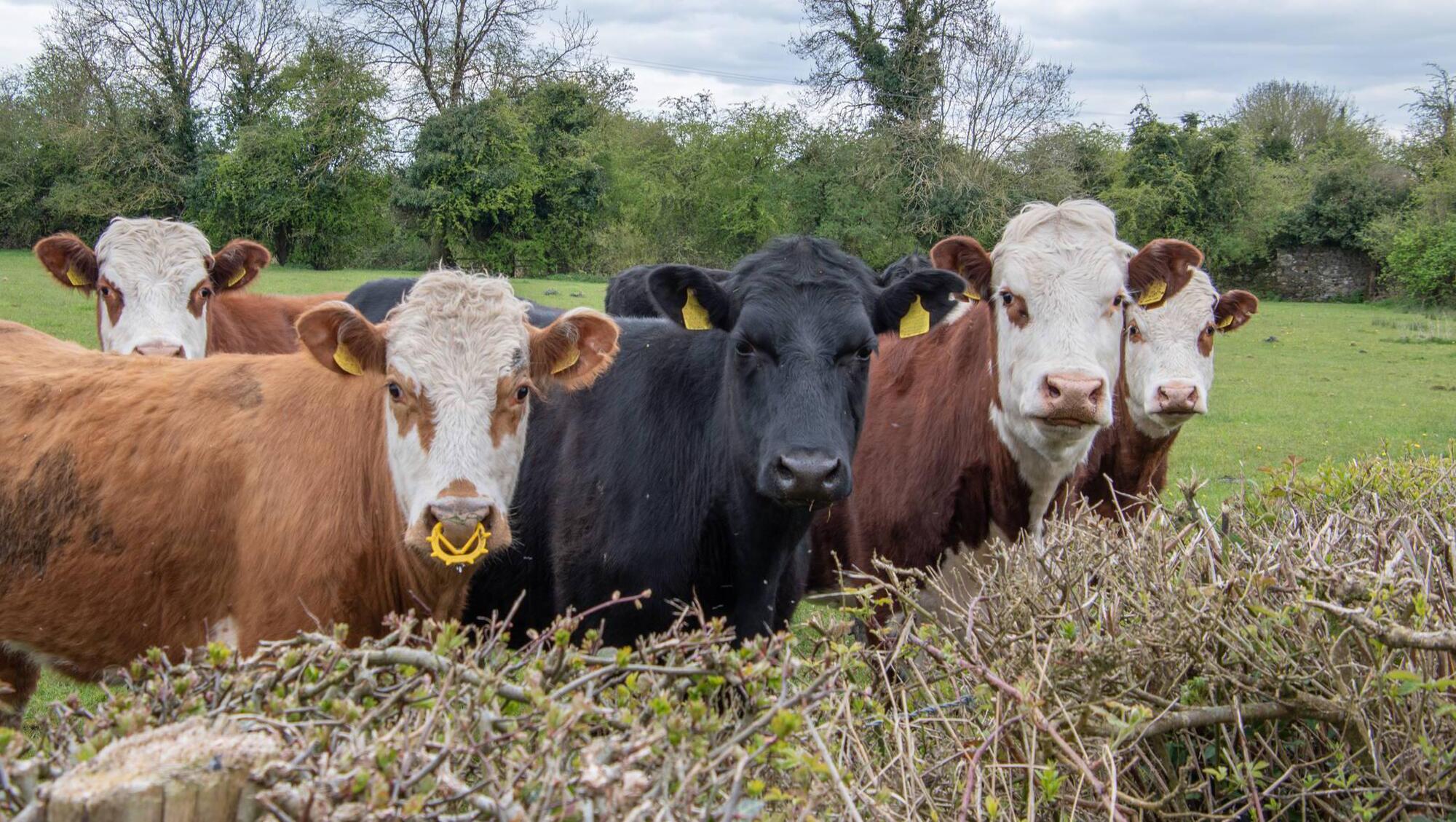
Controlling the disease since the 1950s has cost the State billions. Picture: iStock
With EU funding for bovine TB eradication in Ireland expected to cease after 2023, the scheme is in danger of again becoming "the greatest financial scandal in the history of the State", as it was described in the mid-1980s by Ken Whitaker, the ex-Secretary of the Department of Finance who was said to be the most influential public servant in the history of the State.
From 1954, when the eradication programme started, until the mid-1980s, eradication cost £1bn (€1.27bn), leading Whitaker to say a larger sum had gone down the drain to no avail than any other he could recall.

However, the current situation is arguably nearly three times worse, in terms of nominal cost, with the Department of Agriculture, Food and the Marine projecting that €1bn will need to be spent on the programme over the years 2021 to 2030, "unless significant reductions in disease can be achieved".
And with the EU backing out of the failing scheme, the national exchequer is on course to be liable for €586m of the outlay over ten years, while €358m would be drawn from the farming sector.

The Committee of Public Accounts has now blown the whistle on the Department’s steadily rising expenditure on the Bovine Tuberculosis (bTB) Eradication since 2015.
Total expenditure on the programme amounted to €82m in 2015, rising to €97m in 2020. In 2015, the breakdown of the spend was 47.5% national exchequer, 39.7% farmers, and 12.8% EU. But in 2020, the EU share had fallen back to only 5.6%, leaving the national exchequer to pay 58.6%, and farmers 35.8%.
Eradication progress up to 2016 reduced the herd incidence rate of bTB to a historic low of 3.27%. But the incidence rose to 4.37% in 2020. As of the beginning of 2021, Ireland is the EU Member State with the highest bTB levels.
According to the Committee of Public Accounts, the rise in the herd incidence rate is a factor in the consistent reduction in EU co-funding for the bTB Eradication Programme. EU funding for the programme was as high as €12.7m for the 2014 programme but was reduced to €4.3m in 2020 due to a perceived lack of progress towards eradication. This represents a 66% reduction in EU funding since 2014.
Exchequer funding for the 2020 programme rose to €57m, a 44% increase since 2015. Total expenditure on the programme was 18% higher in 2020 than in 2015.
The Committee noted that the DAFM’s 2021 Annual Report indicated that EU co-funding for TB programmes is to be ceased after 2023.
The Committee said it is "concerned at these trends in the funding and expenditure of the bTB Eradication Programme, particularly as bTB eradication would appear to be even further away than it was in 2016, despite a significant increase in funding from the Exchequer".
It has recommended that the Department provide it with an annual update on progress achieved in towards eradication of bovine TB by 2030.
When the eradication programme began in 1954, there was TB in about 25% of herds. By 2016, TB as in only 3.27% of herds, and about 1% of all cattle.
In a recent statement on the bTB situation, Agriculture Minister Charlie McConalogue said it is a challenging disease to control and eradicate, bringing financial and emotional trauma to farmers with bTB found in their herds.
As of October 16, on a 12-month rolling basis, herd incidence was at 4.11%. The number of reactors was 21,616, about 200 more than reactors a year previous. This was mainly due to outbreaks occurring in larger herds.
The bTB programme in each county focuses on factors including wildlife, how disease is distributed in the area, gamma interferon testing, cleansing and disinfection, testing compliance, and swift isolation and removal of reactors.
Read More
Each TB outbreak is investigated by a veterinary inspector to identify the source of infection. In the case of every outbreak involving two or more standard reactors, there is a veterinary visit to advise the herdowner on how to eliminate infection and measures necessary to help reduce the risk of recurrence. Emphasis is placed on the biosecurity measures a farmer can take to reduce risks on their farm, and when buying in animals.
The Minister said Ireland's bovine TB Eradication Programme operates in line with best national and international scientific research and advice.
Research has found that the principal causes of TB introduction and spread include movement of cattle with undetected infection, residual infection in cattle previously exposed to TB, spread across farm boundaries, indirect spread through other biosecurity breaches, and/or spread from infected badgers to cattle.