The hidden issue of mycotoxins — and what you can do about them
Mycotoxins are becoming an ever-increasing issue on Irish farms
The hidden issue of mycotoxins — and what you can do about them

Mycotoxins are generated by moulds and fungi under stressful conditions such as fluctuating heat and moisture levels.

Most cows around the country are housed now and a lot of farms are well on through drying off. It’s been a great year overall, and there seems to be plenty of fodder in yards. First cuts seem to be testing very well, and this is no surprise due to the great weather we had in May and the earlier cutting date on most farms.

Second cuts are also good overall, but many places had very dry conditions around cutting time. In any parts of the country that were in drought, silages are testing very high in dry matter.


This is leading to issues around feedout, and particularly with silage heating. As heat generation uses up energy, silage heating can lead to loss of energy in the feed. It can also lead to the formation of moulds, and these issues can be more serious.

The growing threat of mycotoxins

An ever-increasing issue we are coming up against year on year is the risk posed by mycotoxins, which are generated by moulds and fungi under stressful conditions such as fluctuating heat and moisture levels.

Mycotoxins are everywhere, and mycotoxin contamination can affect even the most well-run farms. This challenge is becoming more prevalent in Ireland, and we are seeing more and more issues with mycotoxins coming through grass silages and forages.

Mycotoxins and ruminants

Mycotoxins in ruminant feeds can be a significant health and performance issue. A healthy rumen has an ability to protect cattle against low levels of mycotoxins, but not all.

Mycotoxins in forages (grass, hays, silages) present the greatest threat to cattle. Ensiled forages are more likely than dry forages (eg hay) to harbour moulds and associated mycotoxins, especially when fermentations and anaerobic conditions are not strictly controlled. 

Forages, fermented feeds and byproducts all represent a significant risk to cattle, depending on soil contamination, forage harvesting date, silage management, purchased feed origins and on-farm feed storage conditions.

Another risk factor is that ruminant diets typically contain both concentrates and forages, and this increases the risk of exposure to multiple mycotoxins.

Signs and symptoms

Animals exposed to mycotoxins can show just one symptom of contamination or several. These can include:

  • Reduced appetite, or fluctuating forage intakes; 
  • Reduced or fluctuating milk yield;
  • Poor milk solids;
  • Decreased daily live weight gain;
  • Variable or loose dung consistency across a batch of animals.

Additionally, mycotoxins suppress the immune system, which can lead to multiple issues such as swollen hocks, lameness, rough coats and cell count problems, from a raised SCC to increased incidence of mastitis or E coli mastitis. 

Mycotoxins can reduce gut integrity and rumen function, decreasing the animal’s ability to absorb nutrients and resulting in poor performance. Fertility problems can also occur, including irregular heats, cysts, lower conception rates, and abortions. Some mycotoxins can even damage the liver and kidneys and cause internal haemorrhaging and muscle tremors.

Mycotoxin management on-farm

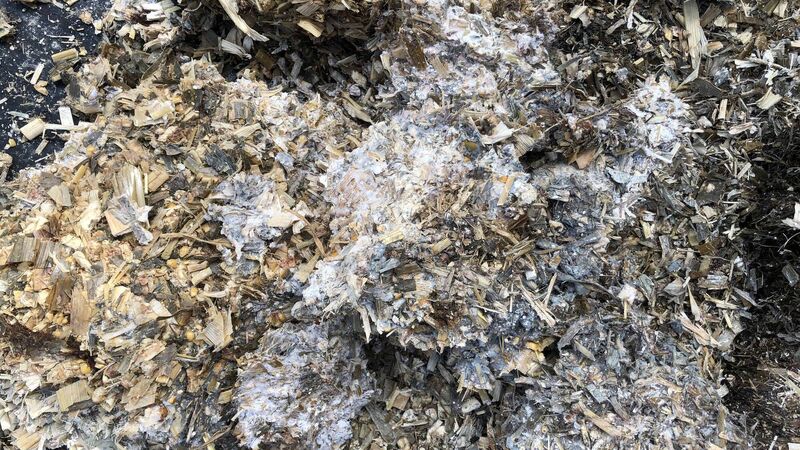
Generally, we associate mycotoxins with quite mouldy feedstuffs; however, even with low levels of mould — or indeed no visible mould — there may be large quantities of mycotoxins. You should avoid feeding any silage showing signs of mould growth, but preventing these problems doesn’t stop there.

Good management around the pit face has a major influence on how many mycotoxins can make it into the diet of the animal. Simple things will reduce the risk. It’s important to try to keep a clean pit face with a sharp sheargrab, as trying to root at the pit face with the bucket of the loader will exacerbate problems. Also, be sure to move across the face of the pit quickly when feeding out.

Using a mycotoxin binder, for example, Alltech's Mycosorb A+ in the feed, is also often used as a preventative measure to avoid any issues showing up on-farm. If this approach is not taken and a mycotoxin problem does exist, the scale of the ensuing animal health problems may well be significant.

We recommend it because it is a broad-spectrum binder that tackles mycotoxin contamination as a whole rather than dealing with each toxin individually. As it is a yeast-based binder, it will bind more efficiently to a greater range of mycotoxins.

When choosing a mycotoxin binder, it is also important to choose an option that minimises mycotoxin absorption without affecting vitamins and minerals. Vitamins and minerals are an expensive part of any diet.

It’s important to seek advice and implement a mycotoxin management plan early to prevent any negative effects. If you suspect a mycotoxin issue on-farm or if you simply want to seek advice on prevention, contact a trusted adviser.

x

More in this section

Farming

Newsletter

Keep up-to-date with all the latest developments in Farming with our weekly newsletter.

Cookie Policy Privacy Policy Brand Safety FAQ Help Contact Us Terms and Conditions

© Examiner Echo Group Limited