Technologies for today and tomorrow: What to expect from agtech open day
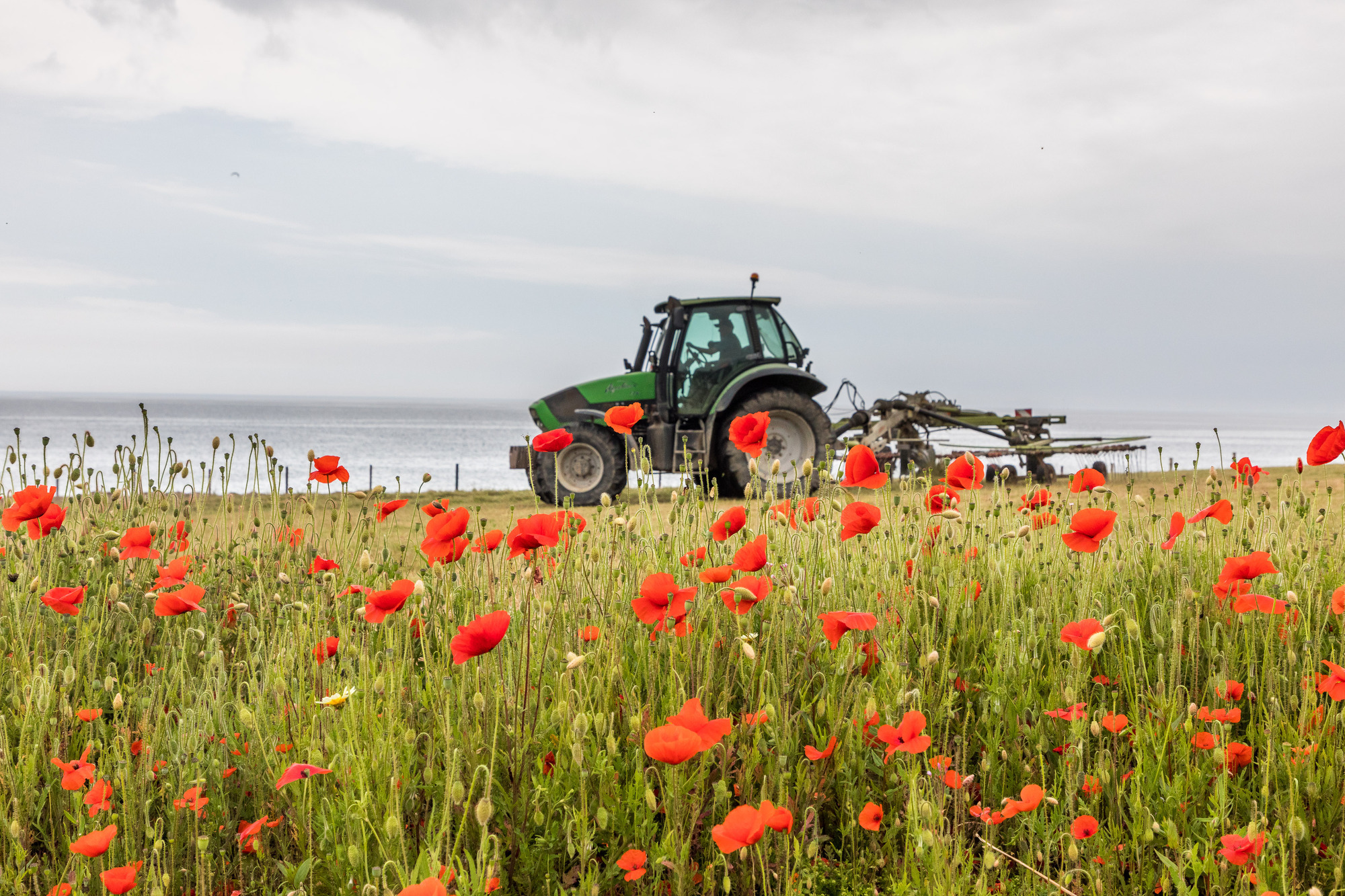
Dr Karl Richards, head of the Teagasc Environment, Soils and Land-Use Department, said: 'Farming is facing challenges to maintain and improve its sustainability in terms of reducing emissions, improving water quality, maintaining soil health and improving biodiversity.' File picture: David Creedon
A major Teagasc open day will demonstrate technologies and practices that can be adopted on farms to help maintain farm productivity and profitability, while increasing overall environmental sustainability.
The event is planned for Tuesday, August 30, at the Teagasc Environment Research Centre, Johnstown Castle, Co Wexford.
Practical management of the liquid milk herd and the calf-to-beef herd at the research centre will be outlined and displayed during the open day.
Those who attend will be informed of the latest practices and tools researched and tested to help farmers improve their farming business and to support them in meeting the environmental challenges faced by the sector.
Practical management of the liquid milk herd and the calf-to-beef herd at the Research Centre will be outlined and displayed during the open day.
Dr Karl Richards, head of the Teagasc Environment, Soils and Land-Use Department, said: "Farming is facing challenges to maintain and improve its sustainability in terms of reducing emissions, improving water quality, maintaining soil health and improving biodiversity.
"The current Teagasc research to address these issues will be highlighted at this major open day."
Dr David Wall, enterprise leader at Teagasc, Johnstown Castle, added: "There is an exciting suite of technologies ready and available for implementation today by farmers, while the technologies for tomorrow are in the research pipeline.
"I would urge all farmers to attend the upcoming open day to see what steps they can take now to improve their businesses and to inform themselves of what technologies could emerge for the future."
The exhibits at the open day will include:
- New information for successful management of grass-clover and multi-species swards under winter and spring calving dairy and dairy calf-to-beef systems will be available.
- Get the latest information on fertiliser and slurry technologies for increasing nutrient efficiency and grass growth, reducing gaseous emissions, enhancing carbon sequestration and soil health.
- to enhance on-farm biodiversity, including hedgerow management will be demonstrated. Find out what your hedges are doing for climate change by storing carbon. Practical steps will be shown to reduce losses of valuable nutrients from the soil, and the Agricultural Sustainability Support and Advisory Programme advisers will be on hand to discuss practical methods to protect water quality on your farm.
- Learn about the Signpost programme, a multi-annual campaign to lead climate action by all Irish farmers. The programme aims to achieve early progress in reducing gaseous emissions from Irish agriculture, and also improve water quality, maintain and improve biodiversity, reduce costs and create more profitable and sustainable farming enterprises. "It is a collaborative programme, led by Teagasc and includes over 100 Signpost farmers, all relevant industry partners, and State bodies. Take the opportunity to get practical advice from the signpost advisors and farmers.”
- Teagasc advisory services will be on hand to discuss how the new agri-environmental scheme, organic farming scheme, or forestry scheme may fit into support your farm business. The next generation of farmers can also find out what education and training opportunities are on offer.
- Attendees can see the latest machinery to help them reduce artificial nitrogen fertiliser usage. As well as demonstrations of the latest low-emission slurry spreading equipment, it will feature methods and machinery for over-sowing clover into existing grass swards and the steps to calibrate fertiliser spreaders to apply accurately protected urea and other products.