Genomics lowered suckler emissions by 5.4%
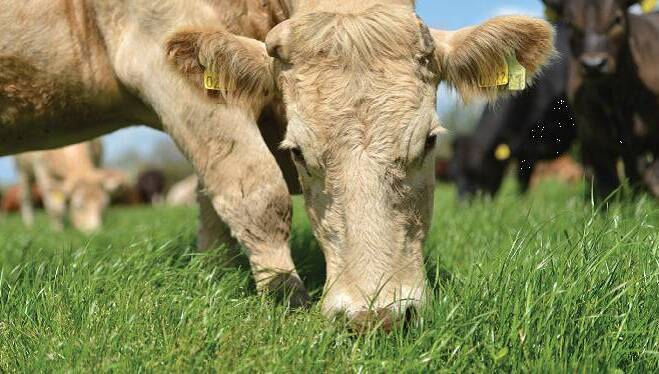
The next phase of the Beef Data and Genomics Programme will bring to 12.4% the reduction of greenhouse gases from the herd, predicts Agriculture Minister
Emissions from the suckler herd have been cut 5.4%, compared to a 2020 base year, by the effects of the Beef Data and Genomics Programme (BDGP).
The next phase of the programme will bring to 12.4% the reduction of greenhouse gases from the herd, predicts Agriculture Minister .
The BDGP lowered emissions by improving the quality and efficiency of the herd, and improving it genetically, the minister told the Dáil last week.
But scope for further progress in genetically improving suckler herds was recently revealed by breakthrough findings in research by Teagasc, and experts.
Their first large-scale analysis of methane emissions in beef cattle conclusively showed that some beef cattle could produce up to 30% less methane emissions, on average, for the same level of productivity.
They will now investigate the genetic relationship between low-methane and other important beef production traits, with a view to incorporating this information within the national beef cattle genetic selection indices which farmers use when selecting herd breeding strategies.
In this way, identifying and ultimately breeding for low methane-emitting beef cattle will improve the environmental sustainability of suckler farming.
Teagasc researcher Professor Sinéad Waters said: “Considering the recent greenhouse gas emissions targets set out in the Government’s Climate Action Plan and particularly our requirement to reduce biogenic methane, the RumenPredict project demonstrates the future potential to breed beef cattle with lower methane emissions.”
Head of animal and bioscience research at Teagasc Professor David Kenny said it would be critically important for the continued economic and environmental sustainability of Ireland’s multi-billion euro beef industry that we continue to apply state-of-the-art science to identify and breed from the most productive, yet low methane-emitting, cattle.
Senior author on the study, ’s Dr Alan Kelly explained the findings were "really encouraging" for Irish beef producers.
In the initial years of the (2014-2020), genetic improvement of herds in the started to contribute to reductions in s from the suckler herd, which are projected to total 180,000 tonnes by 2030.
There were 29,862 applicants, when the was launched in 2015, as the main support scheme for the beef sector, injecting up to €52m per annum into suckler beef production.
However, only 19,084 participants made it all the way through the six-year scheme and into the transition in 2021.
Participants had to increase the genetic merit of their herds along the way, but thousands didn’t fulfil the scheme requirements and had any payments they received clawed back.
However, Mr has said the was “hugely successful” and he wants to build on the gains made in the through the Suckler Carbon Efficiency Scheme under the next , which will pay participants €150/cow on the first 10 cows (increased from €90/cow on the first 10 cows under the ).
One of the objectives will be to realise the additional gains identified by Teagasc, , and researchers in the ‘RumenPredict’ project.