Drastic action needed in forestry if we are to meet our climate targets
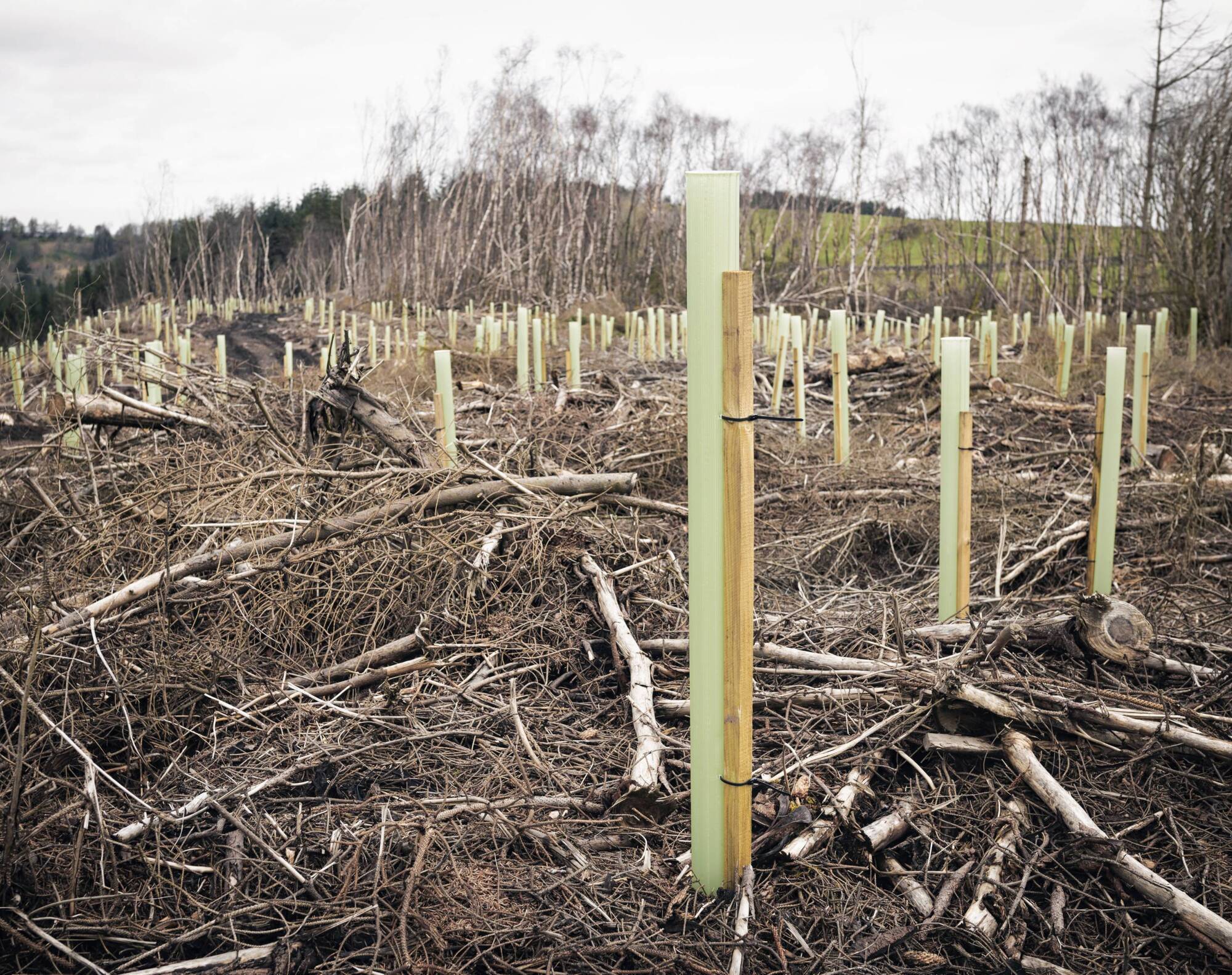
Minister Eamon Ryan: 'A lot of the emissions we will save from forest sinks will only accrue in the next decade or in the next lifetime of that forest.'
We need to take drastic action on forestry if we are to meet our climate targets, said Environment, Climate and Communications Minister Eamon Ryan in the Dáil last week.
In his statement on Climate Action last Thursday, he said we often see land use as a sink or as a store for carbon, but 2018 measurements showed land was a source of emissions.
"Some 4.8 million tonnes is the estimate for 2018. Far from that improving, because of the changing nature of our forest cover system, we expect that by the end of this decade, we will have a bigger challenge in turning that land use from being a source into a sink. We can expect 7 million to 9 million tonnes of resources from land use due to the changes that are taking place in forestry, deforestation, and the lack of new forestry being planted."
"A lot of the emissions we will save from forest sinks will only accrue in the next decade or in the next lifetime of that forest. We need to start planting now and manage the accounting and organisation of this in a real way, however.
"We have done great work on forestry. We have gone from a country of 1% afforestation up to 11%. The next leap will be through a different form of forestry, however, coming down off those peaty upland marginal lands, where we need to store carbon in those peaty soils rather than through continued afforestation. It will mean using all sorts of agroforestry, riparian forestry, closed continuous cover, and close-to-nature forestry models.
"In the mid-1990s, we were achieving some of the sorts of afforestation levels we will now need. That is what we need to go back to, it is not impossible."
Minister Ryan said the Environmental Protection Agency (EPA) has given stark warnings that our water quality is falling sharply, driven primarily by lack of good wastewater treatment capacity and by agricultural run-off.
He said the agricultural contribution to water quality continues to decline, and quoted Director General Laura Burke's statement that "all trends are going in the wrong direction".
"For water quality reasons, we will need to cut drastically the use of nitrogen on our agricultural land," said Minister Ryan.
"Several of the research farms, including Lyons Farm, which is stationed at UCD, are showing that drastic cuts in nitrogen can be achieved when we move to a new multi-species sward grass pasture system. This shift away from nitrogen-hungry ryegrass cuts costs, increases soil carbon, improves water quality, reduces greenhouse emissions and protects us against the flooding and drought conditions we can expect as climate change hits home."
He said the Departments of Agriculture, Food and the Marine and of Housing, Local Government and Heritage are working on these issues, including a nitrates action plan, and ammonia reduction.
Ammonia is rising, and mixes with other gases to create particulates that enter our bloodstream and contribute to asthma, strokes and heart attacks, said Minister Ryan.
"When we improve productivity on farms from multi-species swards, lower methane levels, breeding and shorter animal life cycles, we must reinvest this productivity in nature and pay farmers better through the Common Agricultural Policy, CAP, and other new payment systems to which we will need to turn to pay for this restoration of nature and reward the farmers and foresters who will deliver it.
"If we reinvest this dividend in growth, all our targets will be shot and our green reputation, which is already under pressure, will be damaged. "
In his statement on Climate Action, Limerick City Green Party TD Brian Leddin, Chairman of the Joint Committee on Climate Action, said: "There is considerable income inequality among farmers. Some dairy farms are very profitable, in contrast to farmers in beef and other sectors, many of whom are running their farms at a loss due to low prices. A shift to rewarding farming practices that are less intensive and provide high nature value offers the opportunity to introduce more fairness in the sector."
Deputy Leddin added: "The export-led economic model for agriculture, in which we compete on volumes, must be changed. The argument, that if we do not export beef and dairy, other countries will, is reductive and simplistic and neither recognises market dynamics nor our moral obligations to poorer countries."
Tipperary Fianna Fáil TD Jackie Cahill said the Climate Bill is hugely important but needs public buy-in to be successful, and his constituents resent the blame they are getting.
“If anything has shaken public confidence in our ability to deal with climate change fairly, it is the mess we have made of peat and peat harvesting.
“Forestry is another example of where lack of initiatives and an inability to deal with the Department's bureaucracy has resulted in us wildly missing the targets for afforestation.
“The volume of carbon sequestration lost as a result will be difficult to replace.
Deputy Cahill said carbon sequestered by grasslands is not measured in the reduction in emissions, but methane produced when the grass is digested by farm animals is measured, and sequestration of carbon in farm ditches is not measured. He said energy from slurry, and solar panels, are missed opportunities.
Cavan-Monaghan Sinn Féin TD Matt Carthy said farmers can play a positive role in climate action, but every action of this Government appears to be aimed at preventing them from doing so.
“The Green Party is suggesting we eat less meat. Farmers who switched from beef to horticulture such as mushroom growing are rewarded with scenes of ships containing 4,000 tonnes of peat, having travelled a 3,000 km journey, arriving into Ireland where up to 200 trucks unload the peat that could be sourced here in a much more environmentally sustainable manner.”
Dublin South-West People Before Profit-Solidarity TD Paul Murphy said Irish agriculture should be based on food sovereignty, diversification, and incentives to farm sustainably, guaranteeing an income.
Roscommon-Galway Independent TD Michael Fitzmaurice said he drove 112 miles to the Dail with trees on both sides of the road which are not counted in Ireland’s carbon assessments.