‘Resilient’ land prices in Munster expected to rise by 5% in 2021
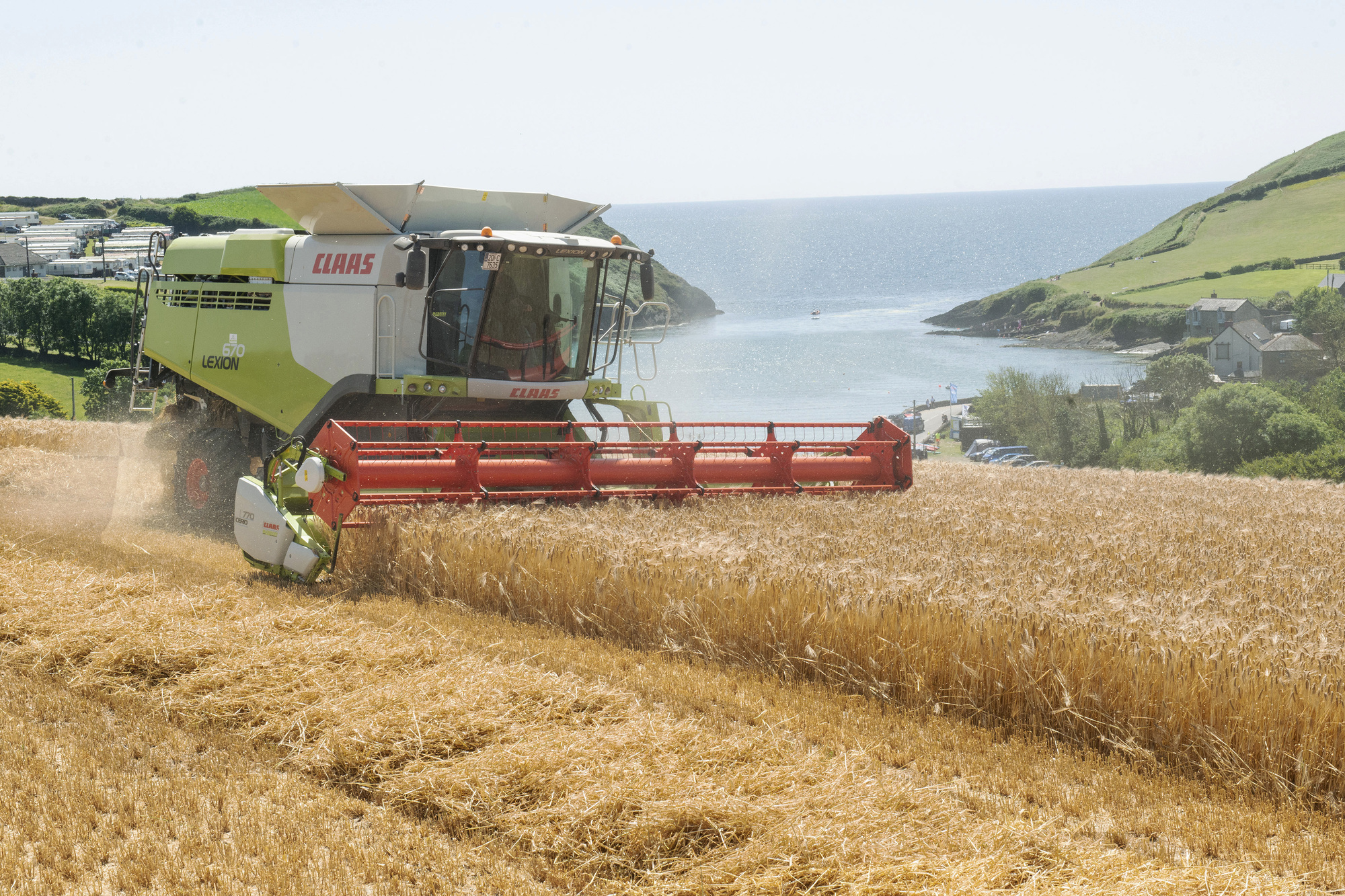
Con Twomey is pictured harvesting Pixel winter barley at Robertscove, Co Cork which yielded 4.2 tonnes per acre at 19% moisture and bushelled 63kph. Picture: O'Gorman Photography.
Land prices in Munster, which remained resilient last year despite the threat posed by Covid-19, are expected to rise by 5% in 2021 according to the latest SCSI/Teagasc Agriculture Land Market Review and Outlook Report.
Dairy farmers are driving the market; prices ranged from an average of €11,900 per acre in Tipperary to €9,000 in Clare while prices for poor quality ground ranged from an average of €6,500 in Waterford to €4,700 in Clare.
National average non-residential prices ranged from €5,900 per acre for poor quality to €9,381 for good land in 2020.
The most expensive land was in Kildare where good quality land fetched an average of €13,600 per acre.
The cheapest was in Leitrim where poor quality land was valued at an average of €3,250 per acre.
Land rental price increases of 8% are predicted for Leinster this year while the figures are 5% and 6% for Munster and Connacht respectively.
And, while Covid-19 had minimal impact on agricultural commodity prices, public health restrictions on viewings and auctions have led to the deferral of land sales.
The report also found that Leinster had the highest prices in 2020 because of the higher quality of land in the province and the high demand for it.
For good land, less than 50 acres, average prices in the province ranged from a high of €13,600 in Kildare – the highest in the country - to €7,900 in Longford, while the prices for poor quality ranged from a high of €8,300 per acre in Kildare to €5,500, in Longford.
In Connacht/Ulster prices for good land ranged from an average of €9,500 per acre in Donegal to €6,500 in Monaghan and for poor land from €5,750 in Monaghan to €3,250 in Leitrim, the lowest price in the country.
“The inability to view holdings or physical auctions led to a significant increase in the number of sellers postponing plans to sell land,” said James Lee, Chair of the SCSI’s Rural Agency Group.
“Over a third of agents (35%) reported a decrease in the volume of land sold in 2020 compared with 19% in 2019.
“Virtual viewing options have been available to sellers, but clearly many have a preference for more traditional auction sales.” “Agents in Leinster say younger farmers with a Green Certificate are helping to drive the market.
“However, they caution that land price expectations from some vendors are simply unrealistic at this present time.”
He went on to say that dairy farmers in Munster were the “most active buyers and renters”.
“In Munster, dairy farmers are the most active buyers and renters of land as they continue to strive to increase their farm size to achieve economies of scale,” Mr Lee added.
“In Connacht/Ulster average land quality is typically lower than other regions, tends to be available in smaller lots and is mainly for grass-based agriculture.
“While Covid has affected sales activity, it hasn’t affected output or prices and as a result farmer confidence about the future has been unaffected and remains strong.
“The land market has shown strong resilience throughout the pandemic and agents believe prices will rise on average by 4% this year.
“In the rental market, while Connacht/Ulster reported a decrease in prices last year – by 13% for grazing land – prices are expected to rebound by 6% this year, a little behind Leinster on 8% but ahead of Munster on 5%.
“The low level of supply is again an issue in the rental market, but it's not Covid related.
"Here the issue is with leases with 24% of agents reporting a decline in the volume of land leases in 2020 compared to just 8% in 2019 as more land is ‘locked up’ in long-term leases.”
Teagasc economist Dr Jason Loughrey pointed out that while Covid-19 may have impacted the volume of sales, it had little impact on agricultural commodity prices last year and this helped to support farm incomes and land values at a time of great uncertainty.
He also highlighted how it was estimated that the average farm income in Ireland increased by 6% in 2020, and this year the forecast was for an increase of a further 3%.
Looking at the various farm sectors, last year was a good one for sheep farmers, in particular, Dr Loughrey added.
“Dairy farm incomes were stable while incomes on cattle rearing farms increased.
“There was no change on other cattle farms.
“Tillage farmers did have a disappointing year due to adverse weather conditions which led to low yields and a drop in income.
“While farmers benefited from lower input costs last year, they are facing some cost pressures this year, with feed, fertiliser, and fuel prices all on the increase.
“Lamb prices are expected to be significantly higher in 2021 relative to 2020 and farmers with a sheep enterprise will therefore benefit.
“A slight improvement in cattle farm income is expected with dairy incomes remaining stable.
“The outlook for tillage farm income this year is contingent on cereal yield developments.
“Normal weather through to the harvest period would see a significant improvement in tillage farm income in 2021.”