Over the past 18 months we have gone through a period of uncertainty and we now look forward to an ever nearing horizon of returning to normal or the new normal.
Changes in how we work, changes in how we socialise changes in how we even meet and greet our nearest and dearest have all become regular in a time of great irregularities.
The agriculture sector is no exception to change, we have seen how processors have responded to keep factories moving, we’ve seen haulers and suppliers continue to operate albeit with tightened Covid measures.
The constant, however, in the midst of enormous upheaval are the farmers right across the island starting each day working the land, with the end result being the production of produce that rightly takes it place at the top table of the international best in class.
A place at the top table that is based on the hard work and efforts of our farmers.
Our farmers who rank among the best in the world when it comes to animal husbandry, traceability, high quality and environmental impact.
We are all aware of the ever increasing area being deforested in the Amazon each year, areas the size of Cork and Tipperary being removed for large scale cattle ranching. We also know of vast areas of agricultural land in the United States being deserted each year to soil erosion and degradation.
Yet here in Ireland our leafy green pastures and rolling lush hills seem to be the intense focus of a government in this country who seem defiant in strangling any sense of hope out of the agriculture industry.
Ideology vs reality
In recent weeks the progress of the Climate Action Bill through the houses of the Oireachteas has only furthered the gap between the ideologies of those of one persuasion versus those of us who live in the reality of rural life.
This bill is like using a sledgehammer to drive a pin nail when a tack hammer would just as easily do the job.
The bill now enacted has the potential to quickly suck the future from rural communities and from farmers.

It is incredulous to think that no economic assessment has been conducted on the implications of a 51% reduction in emissions from our country by 2030.
The lack of clarity around biogenic methane and its unique characteristics in the bill also rings a hollow bell.
Roll back our Covid overloaded minds to the weeks leading up to and the weeks after election 2020 and all the talk from our newly elected TDs was of ensuring separate accounting for methane emissions from livestock.
When we look at our rural landscape we think of hedgerows, trees and livestock in lush green fields.
With research ongoing into hedgerow sequestration and soil sequestration at Teagasc and other institutes, the emerging results are positive from an environmental perspective.
Recent sample results from Teagasc Tullamore, show that Irish soils could be potentially storing up the 1,832mt/CO2 with the ability to sequester more. To put that in perspective it is approximately 90 times the equivalent output in emissions from Agriculture on an annual basis.
We also have to look at the track record of Irish farmers, over the past 30 years Irish farmers have reduced our CO2 output per unit produce.
We have engaged in new emerging technologies to reduce emissions from slurry storage and spreading, from fertiliser use to improved grassland management. We have focused on genetics to deliver animals that have a lower emissions output.
To provide a future for young people our policy makers must deliver sectoral targets that are both achievable and complimentary to farm practices.
Unworkable targets
Penalising Irish farmers with unachievable unworkable targets will only move to further increase the mistrust. The sector needs to provide opportunities for young people to engage with, to develop and to grow a business in. Restrictive policies and caps can only result in fewer young farmers.
Young farmers and farmers overall are fully aware of the need for us to become more environmentally friendly and reduce our environmental impact.
We are also fully aware that reducing our ability to produce low emissions produce will only result in someone else picking up to slack. Enter stage left large scale deforested cattle ranches of south America, carbon leakage in its purest guise.
We need time to address the challenges that surround our environmental impact, we need support not sticks, we need backing from our government to facilitate and foster development.
What we don’t need is the sledgehammer with farming as the pin nail.
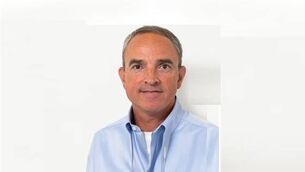
John Keane is president elect of Macra
No obligation. Ts&Cs apply.
CLIMATE & SUSTAINABILITY HUB