The advantages of early grass beef...
A warmer, more settled spell of weather will take up next week
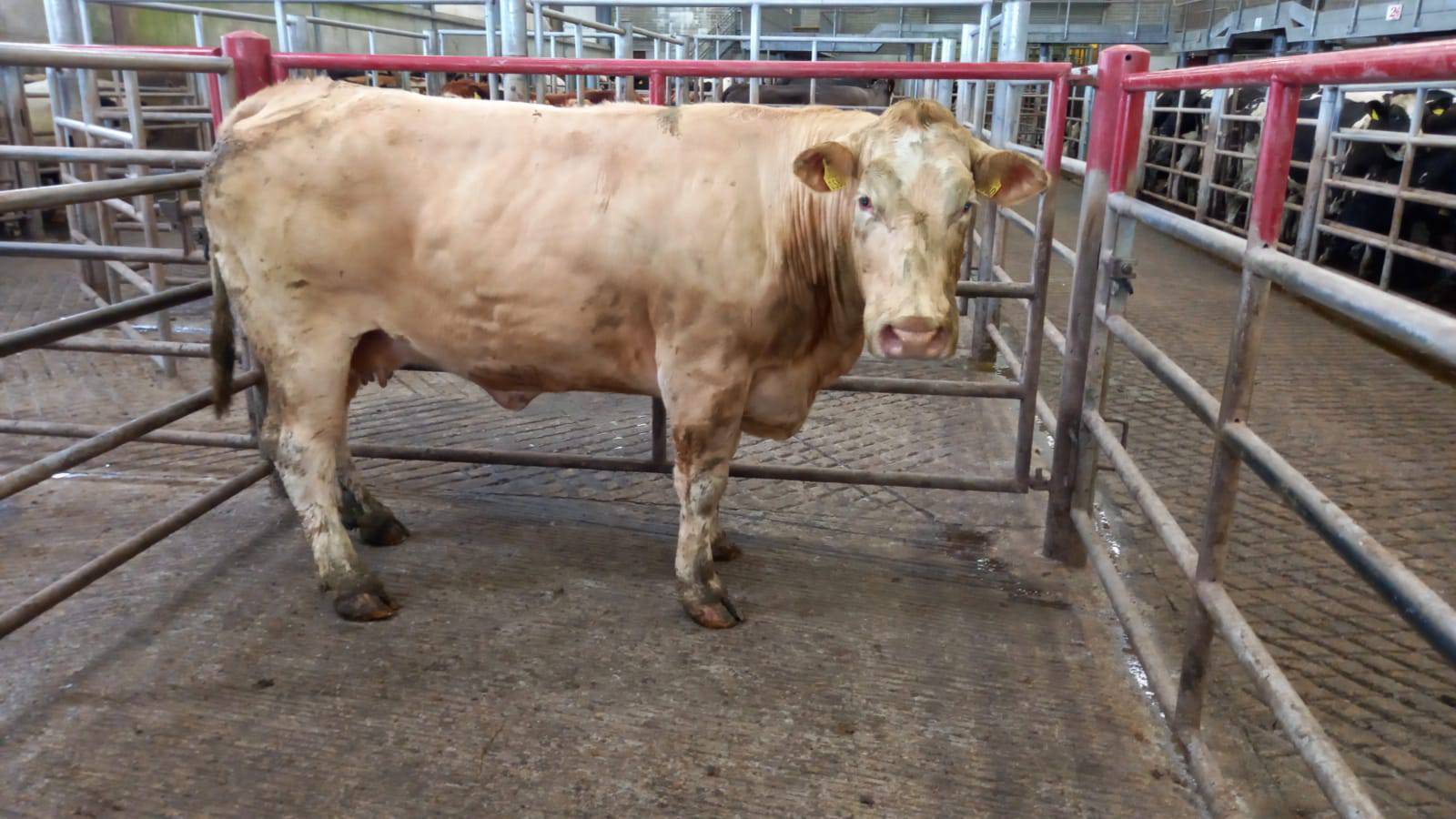
At Skibbereen Mart last Friday, this Limousin cow, born in 2012, weighing 725kg sold for €1,520. File Picture. 

At Skibbereen Mart last Friday, this Limousin cow, born in 2012, weighing 725kg sold for €1,520. File Picture. 

Hailstones, thundershowers and lightning - you wouldn’t think it was the middle of May.

Ground conditions are difficult around the country after all the rain.

Thankfully, it looks like several weather forecast models agree that we can look forward to a warmer more settled spell from the middle of next week.

Grass quality continues to be variable, due to cold stress, and we are approaching heading dates which will make sward management much more difficult.

After all the moisture, an increase in temperatures will drive on growth, and a surplus will appear on most beef farms very quickly.

When that happens, I recommend you should walk your farm twice per week to assess grass supply, to help you make grassland management decisions sooner rather than later.

Grass quality for beef

So far this spring an summer, we have all underestimated the volume of grass in paddocks, because dry matters have been much higher than normal.

I have recorded grazing sward dry matters of 17% to 20%, measured with the mobile NIR4.

With the recent rain and subsequent growth spurt, grass will return to its seasonal norms for dry matter in the mid-teens.

When finishing advanced stock, it is critical - in order to keep costs down - that lower covers are grazed, at all times. 

Higher quality, more leafy swards are higher in digestibility, energy and sugars. meaning optimum intakes and performance can be achieved.

For grass to supply top quality feed, it must also be kept up to date with the required amount of fertiliser. 

When I do on-site grass analysis, apart from dry matter, I test for all nutrients, and I am discovering that many swards are starved of nitrogen, and they are significantly lower in protein, energy and sugars, because they are under nutritional stress.

This was also an issue when we had little or no rain last month, and nitrogen had not been washed in.

Finishing stock off grass

Many with advanced stock are considering the option of finishing them earlier than they would traditionally have done, off grass.

Factory beef prices are at their strongest level of the last few years, so many are looking at early slaughter. But don’t try to push cattle unless they have been fully grown first.

The best quality grass will be capable of giving up to 1kg of live weight gain per day on finishing cattle (it depends on the animal’s breed and sex). 

The target gain for beef type continental stock should be at least 1kg for heifers and 1.2-1.3 for steers, per day. 

A cost-effective response from finishing cattle at grass by supplementing with 2.5-3kg meal per day is possible, when targeting the right stock - provided that excellent quality grass is available at all times. 

If top quality grass is not available, it will be necessary to feed higher levels to heavy heifers or steers that are close to finish. The volume of meal needed will depend on the breed and sex of the animals.

At this time of the year, finishing cattle off grass quickly has many advantages, in terms of stocking rate, profitability and work load.

What meal for finishing?

Any concentrate to be fed on grass to heavy cattle must be high in energy and low in protein, to get the final cover of fat on stock quickly.

What you are aiming to do is complement the qualities of grass and balance its excesses and deficits as closely as possible.

Look for meals that include native barley and oats along with some maize meal as this will achieve target fat cover quickly.

Avoid fillers in these mixes, they are of no advantage in a finishing diet.

Inclusion of a digestible fibre such as hulls or beet pulp may be advantageous, depending on the volume of meal being fed on grass.

Always include a good quality beef mineral all the way to slaughter, to provide essential elements such as calcium and phosphorous for saliva production, and vitamins for enzyme production and an efficient immune response.

More in this section

Farming

Newsletter

Stay ahead of the season. Sign up for insights, expert advice and stories shaping Irish agriculture.

Cookie Policy Privacy Policy Brand Safety FAQ Help Contact Us Terms and Conditions

© Examiner Echo Group Limited