Go for the minimum slurry storage requirement plus 20%
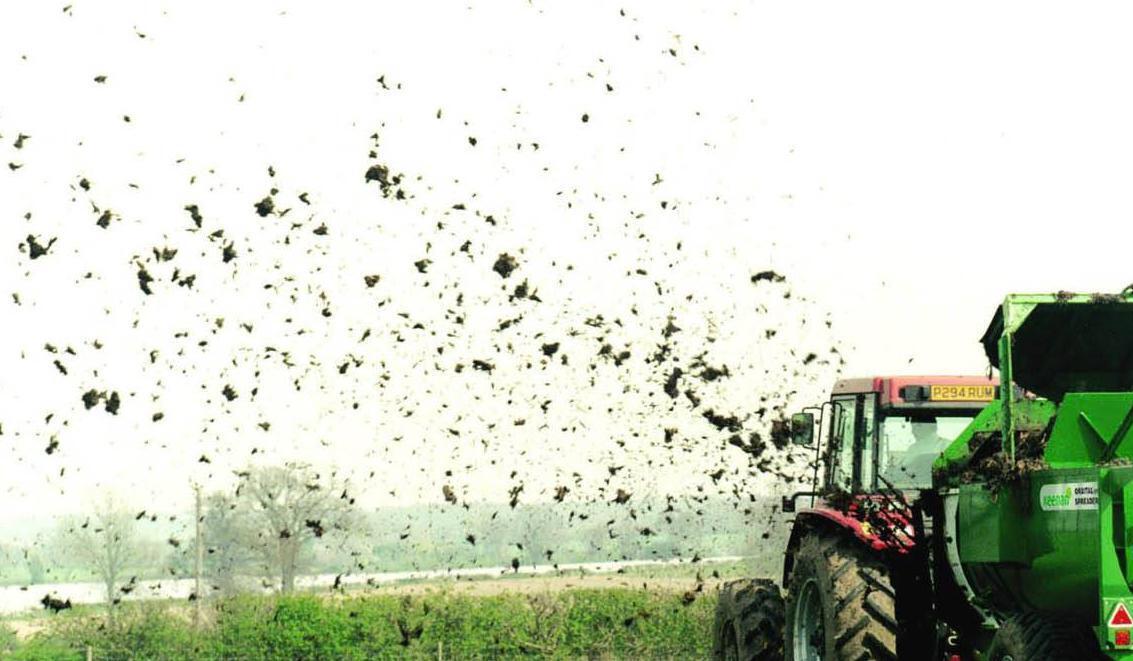
It is possible to minimise the need to move slurry by having adequate storage for each shed or facility
Go for the minimum slurry storage requirement plus 20%

An additional 20% storage for dairy cows and 10% for other stock would give farmers some comfort in the spring time, says Teagasc. File Picture.  

It is clear that many farms need extra slurry storage capacity to cope with wet spring weather and poor ground conditions, as we experienced in late January and February this year.

In building new facilities, we need, as far as possible to look beyond meeting the minimum storage requirements.

As a rule of thumb, an additional 20% storage for dairy cows and 10% for other stock would give farmers some comfort in the spring time.

Slurry storage tips

  • Minimise the need to move slurry, by having adequate storage for each shed or facility.

  • Wider tanks, to take 4.4m or 5m slats (14.5 feet and 16.5 feet slats respectively), are an economical way of getting extra storage.

  • All tanks should be at least 2.4m (8 feet) deep, and preferably 2.7m (9 feet) deep.

Costs will vary, depending on the size of the job, the local demand to get work done, and the level of exca-vation and rock removal needed.

The cost of steel has increased due to a disruption in supply from the closing of furnaces during Covid-19.

Steel accounts for 20% of the cost of slatted tanks, excluding the slats.

A double slatted tank will cost about 11% less than the equivalent single tank, because a wall is shared.

Preparing for a TAMS application

Provided farmers meet the minimum slurry storage requirements, additional storage is eligible for a TAMS grant.

The grant rate is 40%, and 60% for young farmers who are eligible to apply under the Young Farmer Capital Investment Scheme.

All slurry storage facilities need planning permission or a Section 5 exemption from planning from the relevant planning authority.

Although we don’t know how long TAMS will continue, it would be sensible to start planning now for facilities you plan to construct in 2022.

The layout and size of the facility that will be submitted for planning will ultimately form part of your TAMS contract, so it is vital that you discuss your plans thoroughly with your adviser/consultant.

Indoor agitation points, and having adequate space around outside agitation points, present challenges for many farmers.

Please refer to the Department of Agriculture, Food and the Marine (DAFM) Specification S123, page 18.

Difficulties with covering outdoor slurry stores

The DAFM Ag Climatise Roadmap envisages that outdoor slurry stores will have to be covered to minimise ammonia losses.

We share technology with our nearest neighbour, the UK. There is no requirement to cover open slurry stores in the UK.

Therefore, there appears to be no imperative to develop the technology to cover these stores, especially existing ones.

How do you cover an existing lined lagoon?

Answers to the author, please.

Go to the https://www.teagasc.ie/media/website/rural-economy/farm-man-agement/Farm_Building_Project_ Delivery.pdf page for useful information on the Teagasc public website, such as ‘Delivering a Farm Building Project Safely on Time’.

  • Tom Fallon, Teagasc Farm Buildings & Infrastructure Specialist

x

More in this section

Farming

Newsletter

Stay ahead of the season. Sign up for insights, expert advice and stories shaping Irish agriculture.

Cookie Policy Privacy Policy Brand Safety FAQ Help Contact Us Terms and Conditions

© Examiner Echo Group Limited