Short-term grass deficit likely for some farmers 
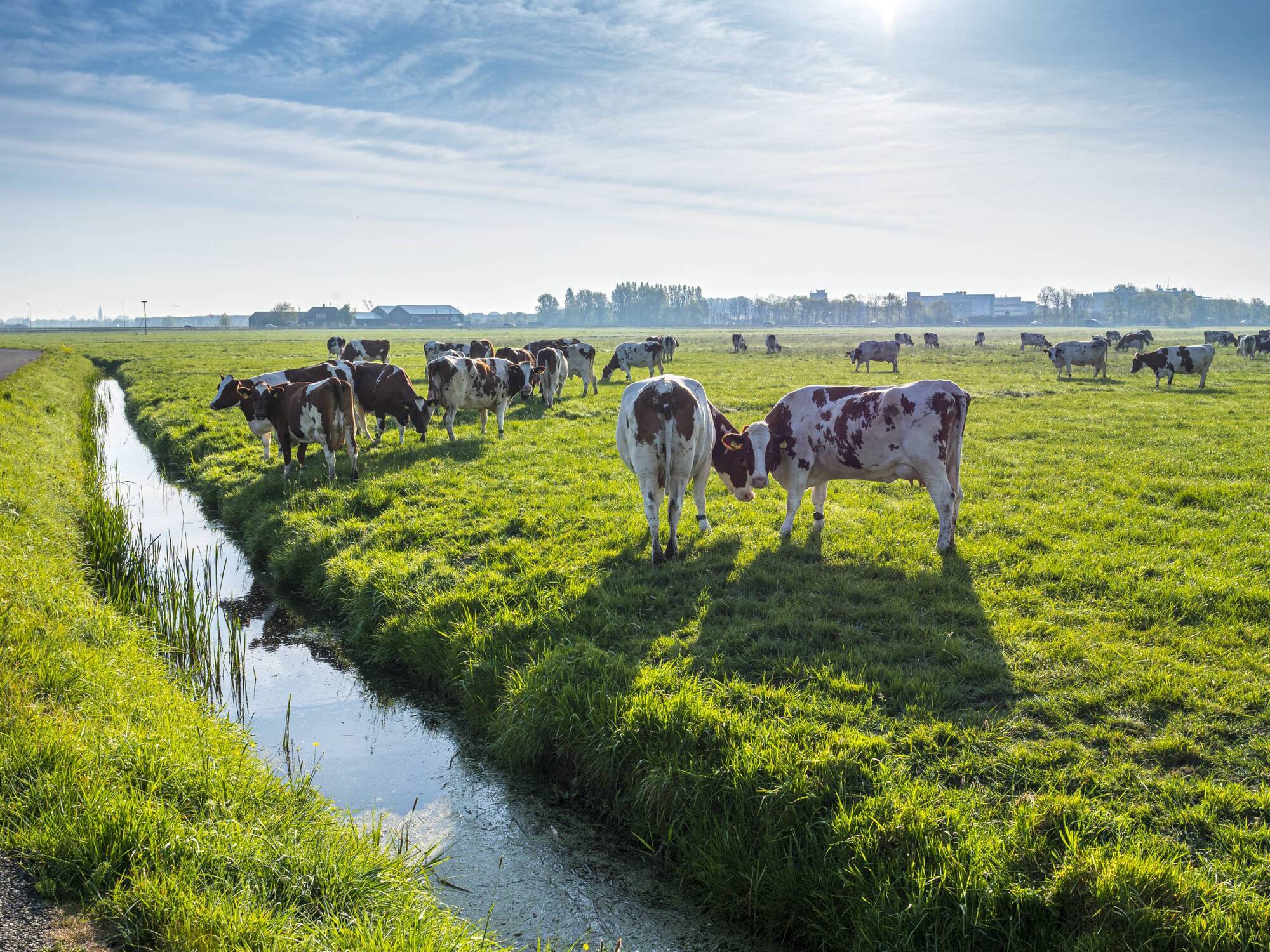
At the moment growth is very slow and animals are getting through grass fast
Short-term grass deficit likely for some farmers 

On some farms, cattle are fast approaching the end of the first rotation, or may even be well into the second rotation. File Picture.  

Many dairy and beef farmers are looking at the fast approach of a grass deficit, if the current harsh weather conditions continue.

Growth is very slow and animals are getting through grass fast.

Thankfully, it looks like we are going to get some more mild conditions which should promote a surge in growth.

While daytime temperatures look like rising, it still looks like we will continue to have colder nights.

Ground is in great order, and primed for a growth explosion, if we get some warmth.

Part of the issue of tight grass supplies is the delayed turnout, and the time between the first and second grazings being shorter than normal, coupled with very poor growing conditions.

On some farms, cattle are fast approaching the end of the first rotation, or may even be well into the second rotation.

That would be the target for mid-April in a normal season, but it is proving to be challenging on many farms this year.

If grazing the second round, animals are likely to be grazing low covers, and currently demand is greater than growth on many farms.

Some have already made the decision to graze ground which had been closed off and fertilised for silage — which is another good reason for splitting fertiliser applications for first cut silage.

Grass with 80,90, or even 100 units of nitrogen applied will have excessive protein/nitrogen content, and is not ideal for any stock, but is particularly unsuitable for cows and heifers that have been bred.

If you are running out of grass, what are your options? Firstly, as I mentioned, stock were turned out later on many beef farms this spring.

Fortunately, there was plenty of fodder at the start of the winter, and much of this still remains in yards, and can easily be re-introduced if necessary.

Secondly, don’t panic, it’s the middle of April, and unless you are more heavily stocked than other years, you should trust your farm to grow as much grass as it did last year.

A low level of supplementation daily to stock may stretch available grass supplies until growth takes off again.

There is nothing more certain than grass growth improving rapidly, once conditions allow, especially as the daylight hours are much longer now.

What animals should be supplemented?

As I mentioned last week, feeding a creep to suckled calves can take pressure off their mothers, and allow you to slow down their grazing rotation.

Late-calving dry cows that have been turned out to grass can easily be maintained in bare paddocks with a bale of straw and a dry cow mineral bucket.

Dry sucklers in good condition even in a bare paddock will still consume 3kg-4kg of dry matter from grass.

Along with the straw, that will be sufficient for their maintenance.

Feeding weanlings some silage or even meal at this stage of the year will stretch grass very easily.

A 350kg weanling will eat approx 7kg of dry matter, so 2kg of meal or 9kg of silage would reduce their grass requirement by 25%, resulting in three days of grass lasting them for four days.

It may be an option to bring some groups indoors by night on silage, to slow down the rotation.

This may only be required for a short period of time.

There is nothing wrong with bringing stock back into the shed for a few days to allow grass to recover.

The more important thing is to make sure that your herd’s nutrition requirements are met.

What are you seeing in your fields this spring?

Over the last few weeks, it has become very obvious to most which paddocks need attention.

The recent prolonged colder and harsher spell has caused paddocks needing reseeding, requiring lime, or short in P and K or perhaps trace elements to stand out.

These signals should not be ignored. Most farmers have observed that recently reseeded swards which have had their nutrient requirements met are performing relatively well recently, despite the poor growing conditions.

Take action by getting soil analysis done on individual swards that are underperforming, and get advice on how best to bridge nutrient deficits.

Nitrogen is expensive, so there is little point in putting out extra to push growth, if it can’t work properly due to a low pH, P or K status.

Unfortunately, if slurry and fertiliser have been applied to these fields, then soil test results may be skewed.

x

More in this section

Farming

Newsletter

Keep up-to-date with all the latest developments in Farming with our weekly newsletter.

Cookie Policy Privacy Policy Brand Safety FAQ Help Contact Us Terms and Conditions

© Examiner Echo Group Limited