Should I transfer the farm in my lifetime or leave it pass in my will?

Legal advice for farmers
Should I transfer the farm in my lifetime or leave it pass in my will?

Don't toss a coin to decide whether to transfer the farm in your lifetime or leave it pass in your will. Check out the pros and cons of each option.

One of the most common questions I am asked year after year is, “should I transfer the farm in my lifetime or leave it pass in my will?’

There is no right or wrong answer to the question, as it very much depends on a wide variety of factors, such as family circumstances, whether there is a child farming, the tax implications involved for both the transferor and the transferee, whether a child has an agricultural qualification, the need for nursing home care, the ages of the parties or whether other children need to be looked after etc.

And each year also brings new developments in law, taxation, social policy, family relationships, and dynamics in relation to farm succession.

The single most important piece of advice I give to every farmer thinking about what to do is, to make a will or to update an existing will.

While you are deciding what to do, you will have a document in place that reflects your wishes and protects your family and/or the interest of whomever you would like to leave the farm to.

I have seen very sad situations where there has been an untimely death with no will made, which results in the person at home farming being left in a very vulnerable position.

There are advantages and disadvantages in leaving farmland in your will, as against a lifetime transfer, and the best decision for you and your family will be dependent on your own personal and financial circumstances.

Advantages of transferring property in your will

1. You have control over the asset for the rest of your life.

You own the property until you die, and can do with it as you wish.

This can provide both emotional and financial security.

2. You can change your will anytime before you die.

A will only speaks from death.

Therefore, during your lifetime, you can make a will, revoke it, and/or amend it as frequently as you wish.

3. You have the security of the farm for the rest of your life.

4. There is only one tax involved, Capital Acquisitions Tax.

There is no Stamp Duty or Capital Gains Tax upon a death.

Disadvantages of transferring property in your will

1. Your successor may expect to receive the farm in your lifetime, and there may be bad feeling and low morale.

He or she may lose interest and pursue other ventures and careers.

2. You will have to declare your farmland in any application for the Nursing Home Support Scheme, and this scheme will take into account the value of your farmland when assessing your means, and the contribution you must make towards nursing home costs.

3. Probate will need to be applied for by your executor to administer the estate.

Probate is a legal process in which your will is filed with the Probate Office.

During this process, the will is authenticated, and the executor is granted authority to act on behalf of your estate, as expressed in your will.

Until the probate process is completed, the executor of the will cannot distribute your property to your family members or other beneficiaries named under your will.

Advantages of transferring property in your lifetime

1. You avoid probate, if your remaining assets upon death are under a certain value, and you do not own any other real property.

2. The successor gets the benefit of the farm immediately and can grow the business. Motivation and interest are enhanced.

3. You will have fewer assets that are available to be taken into account in the event that you have to go into a nursing home (subject to the “lookback rule”).

Disadvantages of transferring property in your lifetime

1. Once you transfer the property in your lifetime, you have given away a valuable asset, and cannot take it back.

However, you can put covenants into the deed of transfer, for example, a right of residence in the farmhouse, or a right of maintenance, or both.

2. There are three taxes involved — stamp duty, capital gains tax and capital acquisitions tax.

However, there are various reliefs that may be claimed in relation to all of the said taxes.

3. You lose control over the asset.

You have no say if the property is sold or mortgaged.

4. If the successor is facing divorce proceedings, the farm will form part of the marital assets that may be divided up or sold on a settlement or court order.

If the farm successor dies, the farm may not be willed back to you, and may pass to someone else.

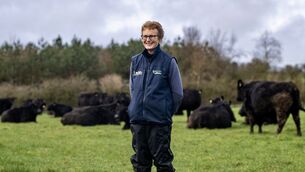
- Karen Walsh, from a farming background, is a solicitor practicing in Walsh & Partners, Solicitors, 17, South Mall, Cork (021-4270200), and author of ‘Farming and the Law’. 

Walsh & Partners also specialises in personal injury claims, conveyancing, probate and family law.

Email: info@walshandpartners.ie Web: www.walshandpartners.ie

x

More in this section

Farming

Newsletter

Keep up-to-date with all the latest developments in Farming with our weekly newsletter.

Cookie Policy Privacy Policy Brand Safety FAQ Help Contact Us Terms and Conditions

© Examiner Echo Group Limited