Scientists develop ‘clean’ technology to replicate curing meat
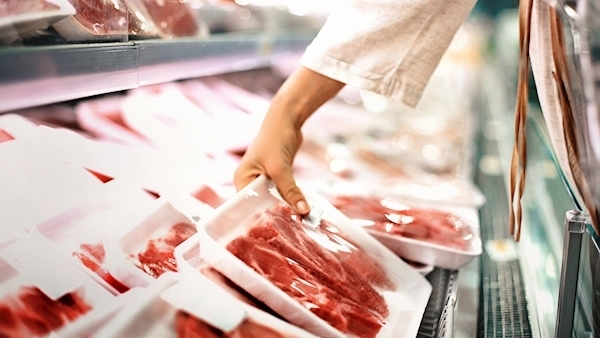
Scientists have developed a ‘clean’ way to produce popular products like sausages, ham, bacon, and salami, using cutting-edge plasma technology to replicate traditional curing methods in response to growing consumer concern about the potential carcinogenic risks of synthetic curing agents.
Traditionally, processed meats are cured through the use of sodium salts or nitrite — but, as scientist Brijesh Tiwari explains, there is concern about the use of high percentages of sodium in the curing of meat, as the consumption of high levels of sodium can contribute to hypertension or cardiovascular disease. Salts are either rubbed on the surface of the meat in a process called ‘dry curing’, or the meat is soaked in a salt solution, which is called ‘brining’.
Nitrites, added as a preservative during the manufacture of cured meats such as salami, sausages or ham, give these products their distinctive pink colour and flavour, and also eliminate harmful micro-organisms.
But the use of nitrites in meat-curing has been of concern to the World Health Organisation, which highlighted issues around their potential carcinogenic effects. There are strict regulations governing the permissible limits of nitrite use in meat products. Now in a major research project funded by the EU, Teagasc and the Department of Agriculture, Food and the Marine, Mr Tiwari, a principal research officer with Teagasc, and his team have investigated a pioneering method of curing meats, using plasma technology.
“Food companies are looking for alternatives to nitrites and salt, and for natural ingredients. Plasma technology, which involves the treatment of air with high voltage electricity, can be applied to the curing of meat, eliminating the use of chemical nitrites,” Tiwari said.
“Plasma technology can be used to create natural nitrites from air, which can then be used to cure meat products in two ways, for example as in dry-cured products, while it can also be applied to water to allow for the manufacture of a brining solution to cure meats.
“It is as effective as the traditional methods in terms of colour, flavour and the elimination of harmful bacteria,” he said. He added the plasma technology method must yet undergo an extensive approval process for use in the meat industry here.
“In some parts of the world, this technology is already in use in the food industry,” he said, adding it is part of Teagasc’s ongoing research into producing “clean and green” methods for food development.
As part of the study, Tiwari and his team examined the quality characteristics of plasma-cured beef jerky, and evaluated its suitability as an alternative nitrite source in the production of cured meat products. Results showed that brine solutions produced by the air plasma system contained sufficient nitrites to be used as a nitrite source for curing beef jerky.
“When beef jerky was cured with air plasma, no differences were observed in the texture and lipid oxidation of jerky compared to the control samples cured with higher concentrations of added, chemical-based nitrites,” he said, adding in terms of colour, a significant increase in the redness of plasma-cured jerky was seen. The research also studied the effect of the plasma curing on meat inoculated with Listeria innocua during the curing process.
“These results showed that plasma technology has the potential to be used as an alternative nitrite source with minimal impact on product quality,” he said, adding the results of the team’s microbiological study also showed that the plasma technology could be used as a successful strategy for meat decontamination.