Farmers voting for farmers could upset election outcomes
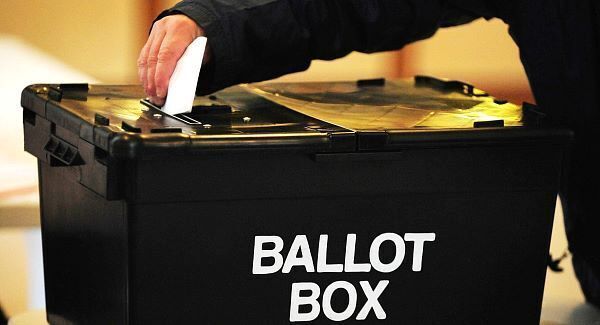
The election quandary for many voters is that they feel they are missing out, as the economy goes from strength to strength, to be the fastest-growing in the EU.
That’s certainly true of farmers, with Fianna Fáil’s Jackie Cahill, TD, spokesperson on food and horticulture, recently saying, with some justification, that farmers feel the whole world is against them.
However, farmers and their families are also benefiting from unemployment being at a 13-year low.
About half of the country’s farmers, including the majority of beef farmers, also have off-farm work, and their family members are also benefiting from the current positive business conditions, and improving wage levels.
The election comes on the heels of months of protests by beef farmers.
The protests are widely seen as having backfired badly, with blockades nearly closing down processing, but leaving a huge backlog of cattle which has increased supply levels ever since, leaving farmers without market scope to demand higher prices.
Next up came eye-catching tractor protests in Dublin, but they seem to have been overplayed also, turning Dubliners against farmers.
But now comes the best chance of all for farmers, with an election bringing a protest vote opportunity.
How will they use it?
With up to 100,000 farmers depending to some extent on the beef market, the promises by the different political parties of help for this sector are likely to have a considerable bearing on the election outcome in rural areas.
Beef farmers rely heavily on the off-farm jobs which economic growth makes available, but they are also justified in looking for an end to the low beef prices which make the farming part of their very long working weeks unprofitable.
For them, proposals like the Green Party’s ban on live exports to non-EU countries, and phasing-out all live exports of unweaned calves, will probably be “red-line” issues which will get very little support from them
Many believe that climate change is losing out in the election debate and in voter intentions to issues such as health, housing, tax, and welfare. However, it is a sore point with Irish farmers, not because they don’t want to take part in climate action, but because they feel they are scapegoated for a global problem caused at least 80% by use of fossil fuels.
This seems doubly unfair to farmers, because they work under the restrictions of the EU’s Common Agricultural Policy which has been oriented towards environmental issues for decades.
The proposals for the next CAP envisage 40% of its spending aligned with environmental protection and climate action.
Already, Irish farmers face increasing control over their use of artificial and organic fertilisers, pressure to breed more efficient livestock, plant more forests, and manage soil and grassland better.
How does a sector of the population which feels “the whole world is against them” vote? Some may not bother to vote, however that is certainly not typical of farmer voters.
It will be interesting instead to see if they react by voting to put more farmers in the Dáil.
Nearly 20 current TDs, or about one in eight, can claim backgrounds in farming.
Farmers may take advantage next Saturday of any opportunity to increase those numbers. That could be yet another surprise element in an election which is proving unpredictable.
There are a few candidates with strong-looking farmer credentials who are given little chance of success.
But if farmer voters opt in a big way for candidates who knows at first hand what farmers are going through, they could get enough preferences to affect their constituency outcomes, if not get elected themselves.