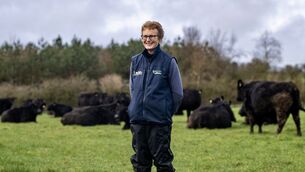
Smaller plants achieved a higher percentage of the normal kill
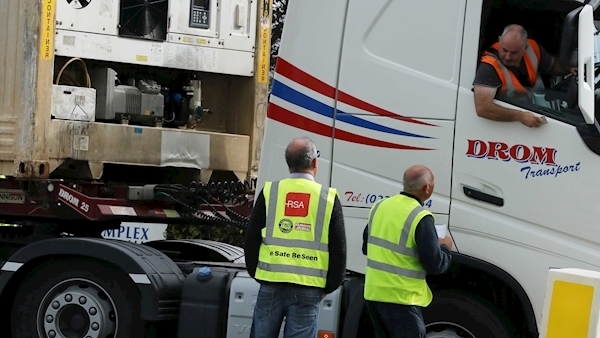
While the prices on offer for beef animals at the factories remains unchanged this week, the throughput has been severely curtailed due to the ongoing protest by farmers at the factory gates.
Steer prices continue to be quoted at a base of 345-350 cents/kg.
There are reports that some processors have paid higher prices, in order to get stock delivered, but it is not uniformly available, rather a case of deals being done with individual cattle finishers.
The trend in the trade for heifers at the processors is similar.
The base for the heifers isin a 355-360 cents/kg range, with some lots being paid for at a higher level.
Widespread rejection by protesting farmers of improved bonus payments negotiated over last week-end has plunged the processing sector into a very difficult situation, the resolution of which appears difficult.
Intake at the factories last week dropped to around 11,670 head, of which steers accounted for 5,180 head, and there were around 2,700 heifers.
There was wide variation from a normal kill in the throughput at factories across the country.
The main players appear to have been hardest hit, with very few stock going through some of their plants, while some of the small plants achieved a higher percentage of their normal kill.
The beef cattle supply situation appears to have worsened, rather than improved this week, after farmers rejected the outcome of the marathon week-end negotiations. Some finishers have expressed the view that the payment system was already over-complex, and the additional bonus payments agreed at the week-end has added further complexity to the payment structure.
Farmers’ demands for an improvement in the base price rather than in bonuses have placed both the processors and the farmer representatives who negotiated on their behalf in a most difficult situation.
Meanwhile, a backlog of finished cattle is building up on farms, and some finishers are coming under pressure to get cattle killed, either because they need to lighten the stocking rate on their land, or need the cash flow to meet their commitments.
Quoted prices for both young bulls and cows haven’t changed from recent weeks, with the throughput of these categories remaining very low.
At the end of October, Brexit threatens exports to the UK, which takes just over half of all the beef produced in Ireland. But there was some more encouraging recent news from the UK’s red meat market. Kantar research indicated that in the 12 weeks ended August 11, fresh and frozen primary beef and lamb sales both recorded positive growth year-on-year in England, Scotland and Wales.
Beef sales were up by nearly 5, but a reduced average retail price reduced growth in the consumer spend to 2.4% year-on-year.
Fresh and frozen primary lamb sales increased 8% in both volume and spend, good news for Irish exporters who send about one-quarter of their exports to the UK.