Farmers must use all available measures to reduce impact of pests
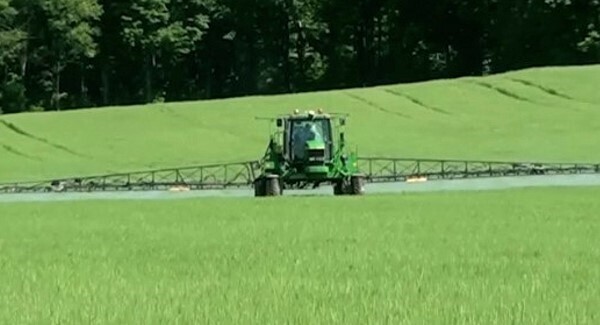
The EU has asked member states to work harder at implementing integrated pest management (IPM) for more crops on farms.
IPM is the utilisation of all available control measures to reduce impacts of pests on cropping systems.
For example, to control to control BYDV disease in winter cereals, IPM could include careful choice of drilling dates, minimising the green bridge from a previous crop, careful variety selection, improved crop monitoring and forecasting, targeted application of insecticides, with anti-resistance strategies included, and encouraging the natural enemies of aphids which spread BYDV.
At the recent July meeting of EU agriculture ministers, the EU Commission presented its progress report on a plan to increase availability of low-risk plant protection products, and to accelerate implementation of IPM in member states.
The Commission said progress has been achieved since 2016 in moving towards more sustainable plant protection practices, but there are significant divergences, and some member states could do more to prioritise and promote low-risk active substances and products.
Some agriculture ministers pointed to the need to offer more alternatives to the substances used today.
The issue is likely to be pressed by Finland, which has taken over the six-month rotating presidency of the EU’s Agriculture Council.
The common denominator in Finland’s agriculture and fisheries priorities for all EU action is sustainability.
This principle will guide everything we do in the area of agriculture and fisheries, said Jari Leppä, Minister for Agriculture and Forestry of Finland and President of the Council.