Buy or sell your way out of a fodder shortage — don’t just hope for the best
As I travelled the country over the last week, it was noticeable that the colour has changed to a better shade of green in more and more areas, suggests
WHEN I look closer into grass swards while visiting customers, it is obvious that growth has improved significantly. I can say that, here at home, cows and cattle have only returned to normal grazing covers since the start of this week.
In a normal year (if such a thing exists), once September arrives, we look at increasing supplementation to dairy cows when grass quality begins to deteriorate.
In 2018, however, it seems that many are going the opposite way and reducing supplementation as grass becomes more available.
Interestingly, the recent flush of grass has corresponded with a drop in butter fats and an increase in milk protein.
This is due to availability of better quality grass which is higher in energy, and this additional energy will have a positive effect on milk protein within seven to 10 days.
A consequence of having sufficient grazed grass has however been a drop in butter fat, due to silage/hay/straw etc being reduced or eliminated from diets, resulting in a lower rumination rate, and dropping butter fats.
Therefore, concentrate from now on should include a higher volume of digestible fibre, to encourage more rumination and help to boost fats.
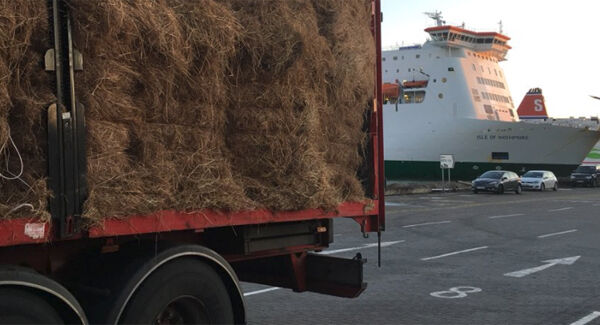
Addressing the fodder shortage
As we head into September, and you sit down and construct feed budgets, and quickly realising that fodder supplies are very tight, attention turns to either reducing stock numbers or sourcing additional feed.
A wise man remarked to me a few weeks ago that there are only two ways of getting through the coming winter and the impending fodder shortage.
Either buy your way out of it or sell your way out of it.
If you think about it for a while, you would have to agree that he is 100% correct.
Some have only begun to accept lately that they have no hope of producing enough feed from their own resources this year and must take action rapidly.
An observation made by another wise man was that some have taken option three which is sitting on their hands and hoping for unseasonal growth to “bale” them out (pardon the pun).
Sit down with someone that knows what they are doing, and construct an accurate and realistic feed budget, sooner rather than later.
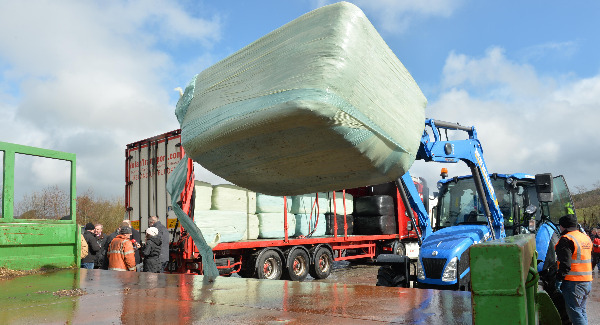
Plenty is being done by co-ops and private merchants to source fodder from around Europe.
Straw, both chopped and un-chopped in big bales, straw pellets, Lucerne hay, and ryegrass hay, are all being imported, and will fill many fodder deficits throughout the country.
Remember that the most important issue is to source sufficient forage for your livestock.
Obviously, the cost and feed value of these imported feeds are important, but the number one priority must be to keep animals healthy, productive and capable of performing to achieve profitable milk production in 2019 and beyond.
Maiden heifers are the easiest animals to feed when forage is in short supply, as they can be fed a few kg of straw and meal to achieve sufficient intakes of energy and protein to maintain performance.
Any available good quality forage must always be fed to the highest performing stock on the farm.
This will mean the highest DMD silage should be kept where possible for cows once calved in the spring. before grazing becomes available.
For those lucky to have maize silage, resist the temptation to feed it in late lactation. Hold it until cows have calved, when it will give you most value for your investment. It will give cows a well needed energy boost after calving and is the ideal complement to grazed grass in the spring.