Advice for dairy farmers: Stretch high yield out into the autumn
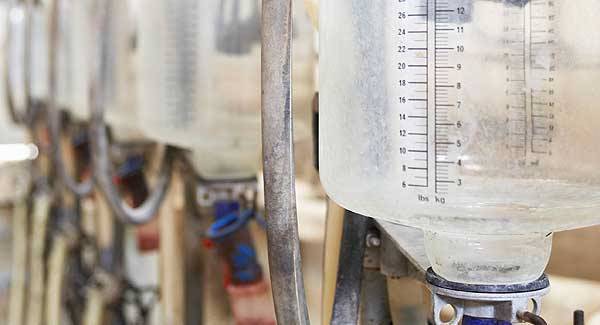
ICBF milk recording reports for August 17-27 showed average milk production of 20.4 kg per cow at 4.1% fat, 3.54% protein, and 170,000 SCC.
Advice for dairy farmers: Stretch high yield out into the autumn

And more recent ICBF data indicated these figures had changed very little in the first half of September.

At this level of production it should be relatively easy to maintain reasonably good yields of milk solids late into the autumn with good quality grass and a few kgs of concentrates.


Apart from the immediate milk response to autumn supplementation, there are many other benefits.

It will be easier to stretch fairly good yields up to the December drying off date for most farmers.

Low late autumn yields bring quality problems such as low lactose.

Of course thin cows and first calvers might have to be dried off earlier, depending on calving dates.

If the weather permits, a grass wedge must be built up to keep good quality grass in the diet for as long as possible, worth almost €2.50 per cow per day. Every extra tonne of autumn grass dry matter utilised is worth around €250.

Autumn is also when grassland should be cleaned out well in the final grazing to prepare for early spring grazing, while avoiding poaching.

This should start around mid-October, but timing will depend on land type, stocking rate etc. Soil nutrient deficiencies should be corrected in order to encourage tillering and early spring growth.

One of the best dairy cost saving opportunities is to provide early spring grass.

Better roadways and paddock entrances can enable earlier grazing without pasture damage.

The importance of early grass for replacements is often ignored.

Unless animals are in very good order coming out of the winter, they may not meet early calving targets.

Heifers on early spring grass can gain double the weight at half the cost of most wintering systems.

SCCs

The average SCC levels of 170,000 for recorded cows are quite satisfactory, and a big improvement over recent years.

However more detailed analysis shows wide variation between farms, with 65% less than 200,000, 13% over 300,000, and 5% over 400,000. The lowest 20% averaged 113,000; the highest 20% 260,000.

These figures are likely to be much better than our national levels. It is very hard for farmers not milk recording to reach low levels of SCC.

Unfortunately there is a slight reduction in milk recording this year. With such an emphasis on milk qualitynow, more farmers need to milk record and follow a complete mastitis/SCC control programme. Farmers who have reduced SCC know it is much easier to keep figures low than to fight high levels.

If SCCs are over 200,000, there are infections in the herd, and it is difficult to keep infections from spreading.

More in this section

Farming

Newsletter

Stay ahead of the season. Sign up for insights, expert advice and stories shaping Irish agriculture.

Cookie Policy Privacy Policy Brand Safety FAQ Help Contact Us Terms and Conditions

© Examiner Echo Group Limited