Big green hope: Biomass could be world’s new oil
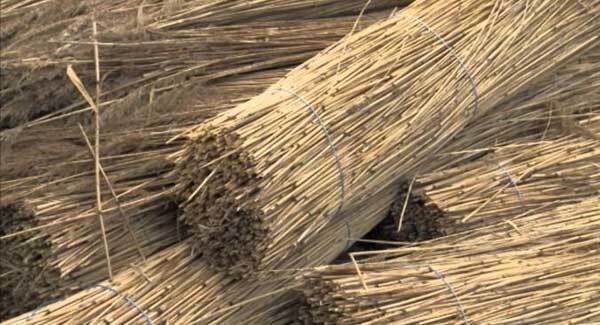
Working with commercial companies, they are developing high-quality materials based on biomass.
They say it is quite possible that 100% sustainable board for building will be on the market within a couple of years, made from reeds at Wageningen.


Read

Listen

Watch

Play



Farming
Newsletter

Stay ahead of the season. Sign up for insights, expert advice and stories shaping Irish agriculture.
Farming
Newsletter
Stay ahead of the season. Sign up for insights, expert advice and stories shaping Irish agriculture.


Revoiced
Newsletter
Had a busy week? Sign up for some of the best reads from the week gone by. Selected just for you.
Lunchtime News
Newsletter
Get a lunch briefing straight to your inbox at noon daily. Also be the first to know with our occasional Breaking News emails.
Most Read
Friday, October 2, 2026 - 9:00 AM
Friday, October 2, 2026 - 9:00 AM
Thursday, October 1, 2026 - 9:00 PM