Stephen Cadogan: Fear and loathing in the EU: Ireland should stand with UK
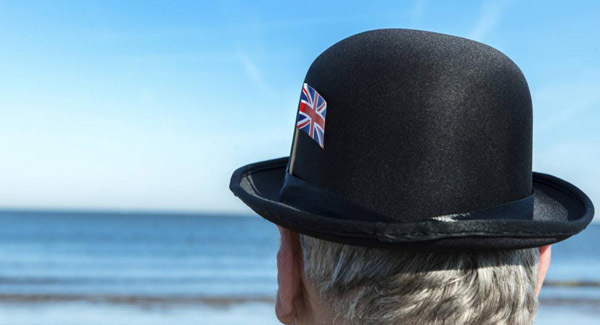
The EU’s bad reaction to Brexit may backfire on Ireland.

Stephen Cadogan: Fear and loathing in the EU: Ireland should stand with UK

Calling on the UK government to begin negotiating exit terms “immediately”, European leaders seem to acting out of fear of contagion (other member states veering towards following the UK out of the EU) so the leaders want the Brits out fast, cutting them off quickly from the benefits of EU membership, thus making exit look unattractive.

They are pushing the UK into a corner, maybe eventually forcing it to leave the EU without any new agreement being in place, if it has not been agreed within the two years allowed.


That could leave the UK with little option but to trade under World trade Organisation (WTO) terms, which means taxes on trade (of up to 45% on certain dairy products, for example) — which most economists agree would damage the British economy.

Even the continued membership of the UK in the WTO after Brexit is not a simple prospect; it will require significant negotiations with the other 161 WTO members.

As a longstanding friend of the UK, and a major beneficiary from trading with it, Ireland must now stand beside it, if the EU persists with a negative and fearful attitude to Brexit.

It is this kind of attitude that has turned many EU citizens against the Brussels leaders, and led 17m of them in the UK to vote for Brexit.

EU moves to punish those 17m, rather than easing their departure, will only turn the thoughts of many millions in other member states to exit.

Nowhere has EU negativity been more evident than in the reaction of the European People’s Party, or EPP, the political group which includes eight of the EU’s 28 heads of state.

EPP is the largest party in the European Parliament, and has members such as Angela Merkel, Jean-Claude Juncker and half of his team of commissioners, and European Council President Donald Tusk.

EPP says UK exit negotiations should be concluded within two years. “From our point of view, there cannot be any special treatment for the United Kingdom.

“Leave means leave. The times of cherry-picking are over.”

For Ireland, with its longstanding and strong trading relationship with the UK, that attitude must be rejected, first in the EPP, of which Fine Gael is a member, and then in Brexit talks.

In food trading, for example, it is only common sense that near neighbours like Ireland, France, and the Netherlands, already big food suppliers, will remain the best options for the UK to control its food import costs, which could significantly increase if the UK were to be cut off from the internal EU market.

Instead, the EU seems to be intent on cutting us off from the UK.

The UK imports an estimated 40% of its food, and that percentage may increase, now that Brexit ends almost €3.1bn per year in direct payments from the EU to UK farmers.

Historically, the Commonwealth enabled Britain to pursue a cheap food policy, but that source of food imports is no longer reliable.

If the Brexit negotiations with the EU do not go well, the UK could find itself without reliable food trading partners.

In the negotiations, it is very doubtful that the EU and UK could successfully agree a trade agreement in the two years allowed after

Article 50 of the Lisbon Treaty is activated, to begin withdrawal from the EU.

A UK-EU agreement in two years seems unlikely, considering that Canada’s proposed trade agreement with Europe is seven years in the making.

The sensible thing would be to delay article 50 until there was clarity on what new trade arrangements might look like.

Brexiteers would prefer this, negotiating informally, without invoking article 50.

Any other approach will only deepen uncertainty, particularly in currency markets, thus hitting all EU trading with the UK in its remaining two years of membership, and possibly causing the UK to dip into recession, further damaging the entire EU economy.

The swing in sterling over the past eight months threatens to reverse the effect of euro weakness against sterling up to mid-2015, which helped Irish food and drink exporters grow sales to the UK 7%, to €4.4bn.

The EU should now endeavour to calm markets, rather than stir them up by twisting the UK’s arm, as Brexit gets under way.

More in this section

Farming

Newsletter

Keep up-to-date with all the latest developments in Farming with our weekly newsletter.

Cookie Policy Privacy Policy Brand Safety FAQ Help Contact Us Terms and Conditions

© Examiner Echo Group Limited