Kieran Coughlan: Tax advice for solar farmers in rush to catch the rays
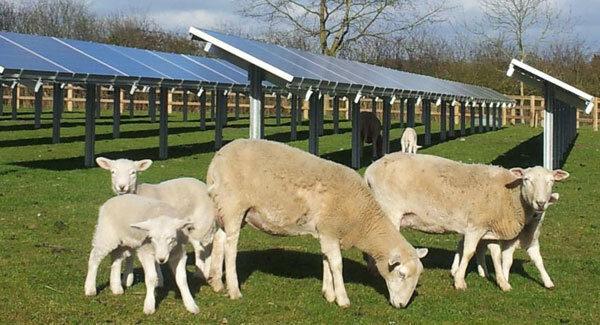
Solar farm development is expected to take off in Ireland, and not simply because we’ve had a run of a few sunny days.

Kieran Coughlan: Tax advice for solar farmers in rush to catch the rays

In fact, Ireland’s exposure to solar radiation is higher than that of most of the UK, and higher than mid to northern Europe, including the likes of Germany, Belgium, Netherlands, and much of France.

Figures from the Sustainable Energy Authority of Ireland suggest that an area the size of a football pitch would capture an energy equivalent of 2,500 litres of oil per day.


Quite impressive; however, of course converting all of this solar gain into utilisable electricity is simply impossible, but technological advancements in solar photovoltaic panels, and reductions in installation costs, have increased the prospects of viable solar farms in recent years.

There are hopes for a government-backed renewable energy feed in tariff (REFIT) which would effectively subsidise installation of solar energy generation farms by offering them a guaranteed minimum price per unit of electricity produced.

REFIT arrangements have been in place for wind and hydro power since 2006, and the roll out of such a scheme to solar electricity farms would dramatically improve the financial viability of such units in Ireland.

Even in the absence of REFIT subsidies, planning permission applications for solar farms and, indeed, construction of solar farms are accelerating rapidly, with a number of multimillion euro projects set to start this year.

The taxation implications of entering into a solar farm contract are as varied as the individual contracts themselves, and to that end, it is advisable that each individual’s circumstances should be examined to establish their own particular tax consequences and any potential tax planning opportunities.

In general, most solar farm installations involve a lease arrangement between the land owner and the solar farm operator.

A land owner enters into a long term lease agreement (typically for a period of 20 years or more) with the solar farm operator.

Under general tax law, a landowner can potentially avail of an exemption from income tax on the long term leasing of farm land where certain criteria are satisfied.

However, the Revenue Commissioners have just clarified in Tax Briefing 53/16 published last week that the leasing of farm land to a solar energy company is not considered as a trade of farming by that solar farm operator, and the exemption from income tax in respect of the lease of farm land to a solar energy company will not apply.

Some photovoltaic installations can facilitate the grazing of sheep and other small mammals.

Again where the leasee runs the solar farm operation, and also uses the lands for farming, the lease land exemption will also not apply, presumably on the basis that the lease income is substantially derived from operation of solar panels rather than from the farming activities.

Under general capital gains tax rules, a farmer can avail of certain exemptions from capital gains tax on the sale or transfer of their farm land, where certain criteria are satisfied.

From a capital gains tax perspective, the letting of farm land can impede a landowners capacity to avail of “retirement relief” exemption from capital gains tax on the subsequent sale or transfer of land, as they will effectively have ceased to operate their business prior to its sale or transfer.

Capital gains tax legislation differentiates between the criteria applicable in the case of sales/transfers to children (and persons deemed equivalent to children) and disposals to third parties, and therefore a high degree of planning should be exercised to determine how and in what manner the land will be disposed of, and the likely tax outcomes.

Where a farmer receives upfront compensation for signing up to an option agreement, such payments can be considered as the disposal of an asset, with resulting capital gains tax implications.

For gift/inheritance tax purposes, there is some doubt as to whether a subsequent transfer of land occupied by solar panels can benefit from agricultural relief as the land would lose its character of being considered “farm land”.

E-Brief 53/16 is available from the Revenue website.

More in this section

Farming

Newsletter

Keep up-to-date with all the latest developments in Farming with our weekly newsletter.

Cookie Policy Privacy Policy Brand Safety FAQ Help Contact Us Terms and Conditions

© Examiner Echo Group Limited