Technology: Dutch search for sustainable maize
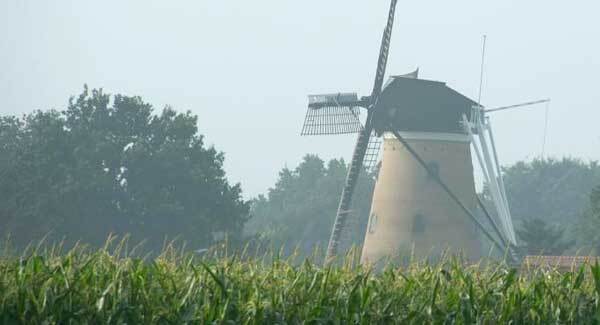
If environmental pressures to farm more sustainably continue, earlier silage maize varieties may be part of the answer.

Technology: Dutch search for sustainable maize

The Netherlands is a good place to o see what technologies may be needed for sustainable farming.

In many ways, it is the world’s must successful agricultural nation.

The value of Dutch agricultural exports is second only to America, a country 200 times the size of the Netherlands.

However, that has been avhieved at the expense of environmental practices which are no longer permissible.

The Netherlands has one of the lowest levels of biodiversity in Europe, attributed to inadequate environmental rules during the years such as the 1970s, when farms became larger and more productive, leading to degradation of the land.

As a result, Dutch farmers are coming under growing pressure from government and consumers to protect the environment.

Maize, the country’s biggest crop after grass, has had a poor sustainability reputation for many years.

In the Netherlands, about 20,000 farmers produce milk, and use about 70% of the total Dutch agricultural area to grow grass and forage maize.

Silage maize has increased from zero in 1950 to 224,000 hectares in 2015.

The once commonplace practice of growing maize in the same field year after year, with the addition of slurry, has been ended.

Stricter fertiliser standards have reduced the maximum amount of nitrogen that Dutch livestock farmers can use for silage maize to levels much lower than the agricultural recommendation.

Scientists at Wageningen University have examined how farmers can increase silage maize yields in the long term, and concluded that earlier varieties are the answer.

They have found that “smart” use of earlier varieties results in the same or higher total roughage yield per hectare than a continuous cultivation of late maize.

The earlier harvesting resulted in lower maize yields in the first couple of years, but helps to maintain and possibly even increase yield in the long term. In the Netherlands, earlier sowing means May 1, even in the south of the country.

The use of earlier varieties increases the chance that the maize will ripen properly and ensures better conditions for harvesting.

It also opens the possibility for growing a full-value after-crop, such as green manure crops, or grass reseeding.

The after-crop prevents minerals from leaching out of the soil and deposits organic material in the soil, important for maintaining soil fertility and, therefore, yields.

More in this section

Farming

Newsletter

Stay ahead of the season. Sign up for insights, expert advice and stories shaping Irish agriculture.

Cookie Policy Privacy Policy Brand Safety FAQ Help Contact Us Terms and Conditions

© Examiner Echo Group Limited