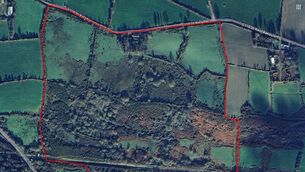
Farms achieve only half of grass yield potential
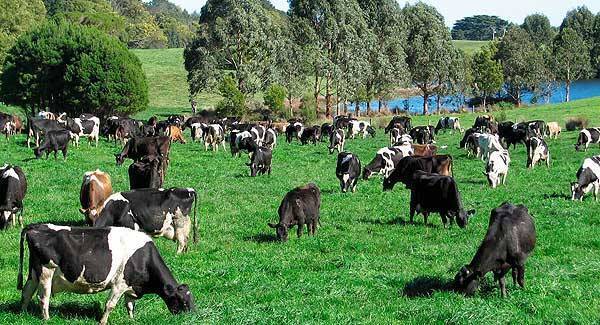
These include growing and utilising more grass, by improving soil fertility and reseeding, longer lactations, breeding to best bulls, herd health and recording.
With a significant drop in milk prices, farmers will be making every effort to improve efficiencies and cut unnecessary costs.
Cutting costs will be difficult for many farmers, because the biggest inefficiencies on most dairy farms are poor soil fertility and lack of reseeding, which results in the average farm producing only slightly over half of its grass growing potential.
Rectifying this situation will cost quite a lot of money, but it is an investment that must be made if other costs (such as spending excessively on concentrate use, and poorly performing animals) are to be avoided.
Unfortunately, many farmers will find it difficult to meet the cost of correcting soil fertility. However, they must make every effort to do so, even if this means reducing stock and getting more milk from existing cows.
Some farmers think that there is little they can change to improve efficiencies on their farms, and if this is what they think, there is little chance that they will make improvements. Many others believe that there is always room for improvement, and they continue to improve.
Contrary to what one might expect, it is the better, more profitable farmers that continually make the biggest improvements every year.
An obvious immediate change for most farmers is to increase the length of lactations. Average lactations on most Irish farms are only about 240 to 270 days.
This is due mainly to late calving, and on many farms, to keeping too many cows for available quota in recent years .
The longer term solution is an earlier start to calving, with replacements calving early, and planning for a long grazing season.
In the short term, for the coming seasons the aim should be to milk every cow for close to 300 days.
This should improve profit by up to 1.5 cent per litre on farms presently averaging 260 day lactations, assuming the cows are properly fed until the end of their lactations.
Milk recording and making the best use of records is one cost that should not be dropped, as it gives a big return on investment.
There has been a gradual increase in milk recording in recent years, with over half our dairy cows being recorded. However, we are well short of the recording levels in competing dairy countries.
Milk records and other ICBF information offer major support for efficient dairy farming and should be used by a far greater number of farmers.