Floods add to demands for climate action says climatologist Professor John Sweeney
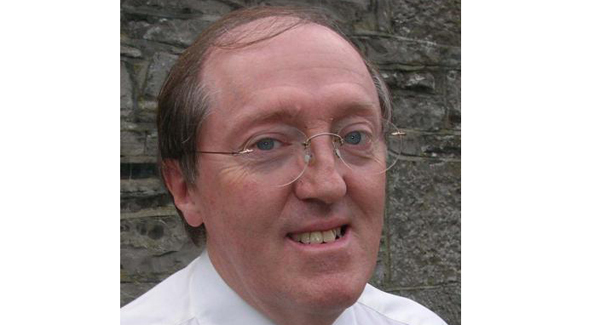
“If Ireland is to go to Europe to seek funds for emergency flood relief, we are going to need credibility,” says the National University of Ireland Maynooth expert.
“Ireland needs to pull its weight in tackling climate change. All sectors of the economy have to do their bit”.
He says he favours a carbon tax on agricultural emissions, rather than a reduction in the national herd. “Ultimately, we do need to tackle methane emission in Ireland, we cannot let one sector completely off the hook.
It’s not a case of reducing where we are at the moment in terms of greenhouse gas emissions, but stabilising emissions, then looking at tools we have available in terms of feed formulation and paddock and manure management to ensure that Irish agriculture can be held up in terms of its sustainability for greenhouse gas emissions in the future”.
He links the record December rainfall and flooding to climate change.
“We [Ireland] have been getting a string of very deep depressions forming over very warm Atlantic waters well to the south west of Ireland, which is a bit more unusual than normal.
"There is quiet cold water in the north Atlantic, the north east side of the United States is relatively warm also, which has sharpened the gradient of the jet stream coming towards Ireland from a very tropical location.
"The depressions have been developing rapidly to the south of Ireland and running against a brick wall-like cold anticyclone over much of eastern Europe.
“As a result, they have been delivering heavy rain over longer periods to Ireland”.
Prof Sweeney says: “The problem has been that the synoptic situation giving rise to the depressions has not changed for four or five weeks.
"It’s locked in position, anchored by the cold water of the Atlantic to the north of Ireland and the anticyclone to the east, and is often seen when you have the El Nino effect in the Pacific Ocean”.
However, Prof Sweeney adds, “we have to remember that the ocean and air over us is warmer than it was 30 years ago, and warmer air can hold more water”.
He also warns: “As the climate is changing, we are going to get the extremes occurring more frequently and are going to get more intense rainfall events, most likely. We are paying the price of climate change.
"The research is saying that the kind of floods we have been experiencing in the past four or five weeks have been 40% enhanced by the effects of carbon dioxide in the atmosphere, in other words, they are 40% more probable than they would have been if we [humans] were not messing up the atmosphere.
"This is the kind of figure that means the once-in-a-century event may become once in 20-30 years“.
“Winters will become wetter, especially in west of Ireland, summer over the medium and long term will become significantly drier, especially over eastern Ireland, which may give rise to water shortages”.
Prof Sweeney adds, “Changes to the landscape to vegetation systems, and Ireland not being as heavily forested as we once were, means that water moves to the river quicker.
“The flood peak is therefore higher and quicker than it would have been in the absence of landscape modifications”.
To tackle flooding, he believes we need a comprehensive land use catchment management plan.
“Flood protection measures will become degraded over time as the climate changes, we need to plan ahead based on the best available climatic knowledge you can get”.