GM move avoids fracturing livestock sector
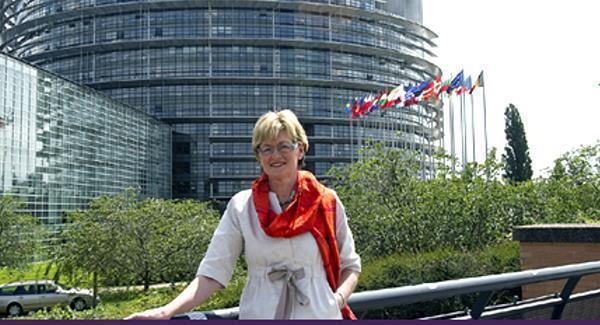
The European Parliament’s decision to reject a draft law to allow member states to prohibit the sale of GM food has helped avoid fracturing the livestock sector, said Mairead McGuinness MEP.
GM move avoids fracturing livestock sector

“The decision makes sense and I very much welcome it as an acknowledgement that the EU livestock sector requires the importation of protein, mainly GM soya,” said Ms McGuinness, vice-president of the European Parliament.

“Had this proposal been approved it could have led to member states banning GM protein to the detriment of livestock farmers. Such a ban would also have the potential to break up the single market and result in distortion of competition between member states.”


The Ireland East MEP said the Commission proposal arose from a frustration at the failure of member states to shoulder their responsibility in the approval process for GM feed.

“The proposal, which I voted against, has at least sparked a debate about GM, its place in society and in the food chain. Clearly, citizens embrace GM technology in the medical/pharmaceutical sector, but are reluctant when it comes to food and feed,” she said.

“The practical implications of the proposal were not thought through as it could lead to the reintroduction of border controls between member states that might have imposed such a ban and those that would not,” McGuinness added.

“We believe that this issue should be dealt with at EU level. The Commission proposal conflicts with the principles of ‘better regulation’ and transparency and was not backed up with an impact assessment.”

However, EU Health Commissioner Vytenis Andriukaitis said Europe now finds itself in a “very paradoxical situation”, with EU citizens were sceptical about GMOs while livestock producers were dependent on GM feed imports for their animals.

“I regret that MEPs have rejected the proposal. I feel this is a lost opportunity to give a concrete answer to a legitimate concern of European citizens,” he said.

Europe’s GM rules have led to years of stalemate as member states have been unable to reach decisions. Critics say the system lacks legal certainty, and that any opt-outs are vulnerable to court challenges.

EuropaBio, which represents GM companies, said the rejection of the “patchwork proposal” was positive.

“If approved, such a proposal would undermine the internal market and farmers’ livelihoods and set off alarm bells for any innovative industry looking to invest in Europe,” Leticia Goncalves, EuropaBio chairman, said in a statement.

For now, Monsanto’s GM maize MON 810 is the only crop commercially cultivated in the EU. The present debate relates to GM products used in animal feeds.

Sinn Fein MEP Lynn Boylan argues that Ireland to build a reputation as a country that does not genetically alter its food.

“What we would like to see is a move away from the use of GM feed, we believe that Ireland is in a lovely position to market itself as a ‘green’ brand and we know that some countries have already indicated with Irish food, because of the use of GM feed, they don’t see it as a ‘green’ brand, particularly of meat so we would like to see farmers move away from it.”

x

More in this section

Farming

Newsletter

Keep up-to-date with all the latest developments in Farming with our weekly newsletter.

Cookie Policy Privacy Policy Brand Safety FAQ Help Contact Us Terms and Conditions

© Examiner Echo Group Limited