Compact grass to keep toxins at bay, say experts
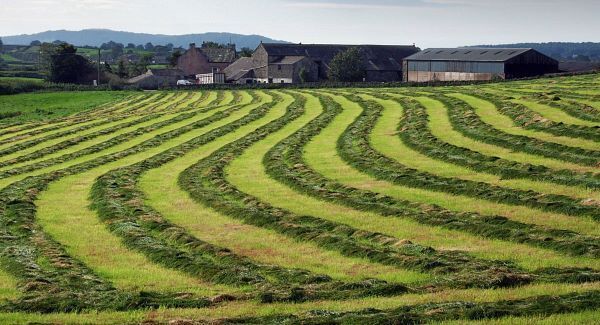
Compacting even layers of grass no more than 15cm deep in the clamp will minimise mycotoxin contamination during storage, two Irish and UK experts have advised.
Compact grass to keep toxins at bay, say experts

With peak silage-making season upon us, David Davies of Silage Solutions, a British silage consultancy, advises farmers to cut and ensile grass correctly to minimise the risk of aerobic deterioration, mould development and multiple mycotoxin contamination.

“Mow when the grass is dry. If your sward is open or there is a lot of dead material in the base of the grass — because of lodging or aftermath from last autumn perhaps — increase your cutting height to 7.5-10 cm.


“The main rational behind this is moulds such as penicillium live on low-lying dead and decaying plant material. Spread the cut grass to encourage a rapid wilt, too, because wilting has a significant depressing effect on grass microbial composition.”

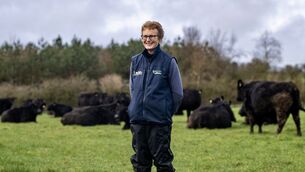
Lauren Dimmack, Alltech animal health specialist, added that compacting the grass will minimise the level of yeast and mould growth, and ultimately the risk of mycotoxin contamination during storage. It is very important to seal the clamp properly, at the sides, on the top and the ramp, he said.

x

More in this section

Farming

Newsletter

Keep up-to-date with all the latest developments in Farming with our weekly newsletter.

Cookie Policy Privacy Policy Brand Safety FAQ Help Contact Us Terms and Conditions

© Examiner Echo Group Limited