Vital to keep herd healthy as possible
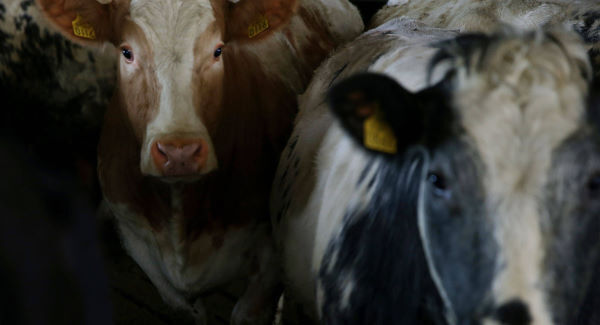
Sub-clinical diseases that farmers might not easily notice can explain much of the low profitability on some dairy farms.
Vital to keep herd healthy as possible

Many farmers don’t fully realise the effect fo diseasesin their herds, and are not taking proper action to prevent them.

The first step should be to involve your vet in a complete herd health investigation and treatment programme for your herd.

Leptospirosis

Leptospirosis is present in the vast majority of dairy herds, especially in large open herds. Vaccination against this disease has become routine in most herds. It can cause serious human health problems and every herd should be vaccinated.

Common problems caused by mastitis, lameness, parasites and metabolic diseases are a constant threat to herd health but these can be kept under control in well-managed herds.

Mastitis

All aspects of the Teagasc mastitis control programme should be carefully followed. For example the milking machine should be in perfect working order, chronically infected cows should be culled, cows should be calved in well-disinfected areas and good milking practices such as teat dipping/spraying should be carefully carried out.

Cubicles should be kept thoroughly clean and dusted with lime, especially around calving time when cows are very susceptible to mastitis infection. Mastitis infections around calving time can affect udder health for the remainder of the season.

Lameness

Lameness is still a problem in many herds. Cows not lying in cubicles, or which show any sign of lameness, should be removed to a straw-bedded house or soft-bedded area before serious infection sets in. Cows shouldn’t be walking on rough areas; this is a major cause of lameness. Preventative foot bathing and treatment should be carried out regularly.

Parasites

Parasite infections are relatively easy to control with a preventative programme, but are often neglected.

Most young stock gets adequate treatment for internal parasites at housing.

Dosing cows for worms is a practice that is increasing fairly rapidly. There is evidence that it improves milk yields and fertility, as well as condition.

Check products for safety and withdrawal periods. All Moorepark herds are dosed for worms every year. Animals on most farms should be properly treated for fluke, or at least, samples should be tested.

Perhaps the most neglected parasite treatment is for lice. The damage that lice can do is underestimated.

They can kill, but the usual effects are poor performance and susceptibility to other diseases. Lice products have different coverage periods, but generally animals need a few treatments in the winter. Check products for safety and withdrawal periods.

Disease losses

UCD and Veterinary Ireland have estimated losses associated with diseases, including vets’ time, drugs, farmers’ time, discarded milk, reduced milk, dead calves, reduced fertility, high culling, and fatalities.

Milk fever cost €200-400 per case; displaced abomasum €515; ketosis €200-300; acidosis €175; retained placenta €360; calf death €350; twin calving €122; vulva discharge €122; lameness €300; serious clinical mastitis €450; and clinical grass tetany €630 per case.

These figures should drive home to farmers that disease prevention is essential.

Clinical cases and subclinical mastitis are obvious, but subclinical cases of other diseases often go undetected.

More in this section

Farming

Newsletter

Keep up-to-date with all the latest developments in Farming with our weekly newsletter.

Cookie Policy Privacy Policy Brand Safety FAQ Help Contact Us Terms and Conditions

© Examiner Echo Group Limited