Spain cracks down on mango thieves
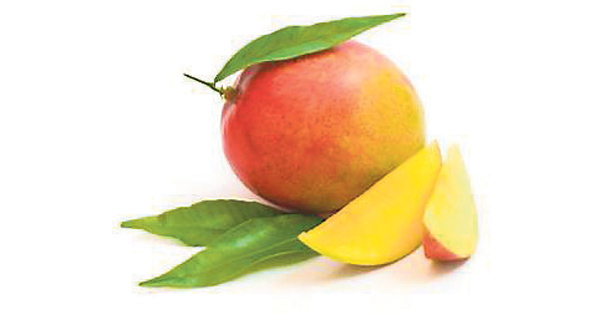
A police helicopter and road checkpoints will guard against robbery of Spain’s most valuable crop, until the harvest season is completed in early December.
Spain cracks down on mango thieves

In the Axarquía region of Andalucía, east of Malaga and popular with tourists who flock to coastal towns like Nerja, the Guardia Civil’s eye-in-the-sky keeps an eye on 9,000 hectares of mango plantations.

Such measures have been introduced to prevent a rise in robbery of the fruit, worth up to €3/kg to thieves.


Local shops and markets are checked at random and asked to prove their mangoes are legitimate.

Axarquia is one of the only places in Europe with an appropriate climate for mango farming, which is expected to net farmers over €20 million this year, for a bumper harvest of up to 25,000 tonnes.

The crop is proving increasingly popular among farmers, because it requires 30% less water than avocados, another important crop locally.

Earwax evidence

Studying earwax from animals reveals their history, especially when it is the ten-inch long wax earplug from a blue whale — the largest animal on Earth, and an endangered species.

They tend to accumulate layers of wax in their ear canals, which can be examined for a lifetime chemical profile, and also for aging the animal.

Scientists previously used whale blubber to determine recent stress hormone levels and chemical exposure, but examining earwax even reveals pollutants transferred to it in the mother whale’s womb.

One of the chemicals looked for is cortisol, the stress hormone which points to stressful experiences such as weaning, migration, changes in social status, and environmental disturbances.

New mushrooms

Mycologists at the Royal Botanic Gardens, Kew, in London, recently discovered three new kinds of mushroom in a local shop.

They were found in a London grocery store’s package of dried porcini mushrooms, when scientists used a technique called DNA bar-coding.

The technique involves matching the DNA profile of a sample to a database. In three out of 15 pieces tested from the porcini mushroom package, no match was found.

It was confirmed all the mushrooms are safe for eating. But the new findings suggest mushrooms are more diverse than scientists think.

x

More in this section

Farming

Newsletter

Stay ahead of the season. Sign up for insights, expert advice and stories shaping Irish agriculture.

Cookie Policy Privacy Policy Brand Safety FAQ Help Contact Us Terms and Conditions

© Examiner Echo Group Limited