Saving lives by looking for the signs of suicide

Q&A with Joan Freeman.
Saving lives by looking for the signs of suicide

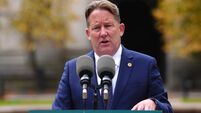
It was a very poignant moment for Deputy Helen McEntee when she helped to launch Pieta House’s Rural Suicide Intervention Initiative on Tuesday. Last March, she topped the poll in the Meath East by-election which followed the suicide of her father, junior agriculture minister Shane McEntee. He took his own life just days after his 56th birthday — proof if needed that the high suicide rate in Ireland touches all strata of society, including rural Co Meath, where Mr McEntee was well known in community life, agriculture, and politics. It’s not just Co Meath but all of rural Ireland which has an increasing rate of suicide. Hence the special rural suicide intervention initiative — the biggest of its kind to date — launched in Kells, Co Meath, by Joan Freeman, CEO of the Pieta House suicide and self-harm crisis centre, and Helen McEntee.

Ms Freeman said it is part of the Mind Our Men campaign, which aims to reduce male suicide in Ireland.


Who is working with Pieta House in this new initiative?

Pieta House launched the Mind Our Men campaign last March with the aim of reducing male suicide. Ten people die by suicide in Ireland every week, and eight of them are men. Since March, we have collaborated with male-orientated organisations such as the gardaí, GAA, scouts, etc. By joining with these organisations, we can reach a huge number of people and inform and educate them on signs and symptoms of suicide, so they could “Spot the Signs and Save a Life”.

Why is Pieta House targeting rural Ireland now?

This rural suicide intervention initiative is essentially phase two of the Mind Our Men campaign, and this time, we’re focusing on rural Ireland, and farmers in particular. The farming industry experiences one of the highest rates of suicide, and again we have teamed up with well-established organisations, to join forces and resources, and reach as many people as possible. A few months ago, we linked up with the Irish Farmers Association, who were keen to address the issue of suicide. Since then, we have also linked up with the ICA, Teagasc and the Department of Agriculture. In a very short time, half a million people will be educated to identify signs and symptoms of suicide.

For example, we will work with the IFA in educating 90,000 farming families to be the link between someone they know in suicidal distress and services like Pieta House. After a recent national campaign, everyone knows the symptoms of a stroke. It is our vision that everyone will be equipped with the knowledge and signs of suicide.

It’s about saving lives. How can half a million rural people do this?

With Pieta House, the IFA, the ICA, Teagasc and the Department of Agriculture joining together, we can tap into a huge network. We are not asking the men and women of Ireland to become therapists, but to be the link between a loved one in distress and services like Pieta House. By teaching them the triggers and signs of suicide, they will be more informed and wary of loved ones going through a tough time. We have put an information booklet on the www.mindourmen.ie website, that guides people on the signs and symptoms and what to say to someone in distress. We hope that by raising awareness, we will enable friends, family and neighbours to look out for the men in their lives — ask them how they are, visit them more regularly, invite them out to a local event, or just give them a phone call every now and then.

Who else is working to prevent suicide?

I believe that suicide prevention should be divided into three components. Firstly, primary care which means hospitals and GPs who deal with suicidal crises in the surgeries or emergency departments. The second component is organisations like Pieta House that also offer support and immediate response to suicidal people. The third component is the most important — the general public who are at the front line. It is family, friends, colleagues and neighbours who are best placed to spot the signs and who can support the suicidal person. They can be a link between a person in crisis and life-saving professional help.

Explain the research behind Pieta House’s Rural Suicide Intervention Initiative.

Our records show 46% of people who visit us are men. When we did some further research, we found it was not the men themselves who made the appointment, but their family and friends. It’s a universally acknowledged fact that men don’t speak about their feelings, or they think feeling down or upset is a sign of weakness. This is why we are asking friends and family to look after the men in their lives. If someone broke their leg, you wouldn’t expect them to get up and get help for themselves. If their spirit is broken, you can’t expect them to get help themselves either.

What are the suicide tipping points?

For too long the subject has been hidden and brushed under the carpet. Shame, stigma and guilt have prevented people from seeking help. Lack of knowledge has prevented family and friends from spotting the signs and realising that most suicides occur because the person is going through a life crisis, not just because of long-term mental health problems. These life crises range from the loss of a long-term, significant relationship, to the loss of a person’s livelihood. These are the tipping points that can prevent someone from coping, where suicide stops being a thought, and instead becomes a plan. Knowing these tipping points can make everyone alert to reach out to a person going through a crisis.

More in this section

Farming

Newsletter

Keep up-to-date with all the latest developments in Farming with our weekly newsletter.

Cookie Policy Privacy Policy Brand Safety FAQ Help Contact Us Terms and Conditions

© Examiner Echo Group Limited