Cullen to bring in phosphate measures
There will also be proposals on installation and management of septic tanks, and industrial discharges as well as urban waste water systems, said Minister Cullen after the final report of the Three Rivers Project.
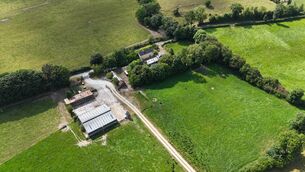
This three-year investigation, costing 6 million, has revealed that agriculture contributes about 60% of phosphorus pollution in the Boyne, Liffey and Suir river catchments.
Forestry, urban development and septic tanks were also found to be significant contributors to poor water quality.
Some of the radical Three Rivers recommendations for future water monitoring and enforcement include a review of all existing discharge licences in the three catchment areas, which stretch from Co Tipperary through Waterford and as far north as Co Louth an area which contains one-fifth of the State's population.
These recommendations must be met to comply with the EU Water Directive, said Minister Cullen.
He was having discussions with Agriculture Minister Joe Walsh, on implementing the recommendations.
Agriculture had 91% of land use in the area studied, but only 60% of phosphate pollution.
Town sewerage contributed 15 to 19%, for 1 to 7% of land use.
Responding to the Three Rivers report, IFA Deputy President, Ruaidhri Deasy said Government support for the Farm Waste Management Grant Schemes and the REPS Scheme was inadequate to help farmers improve farmyards and continue to minimise pollution risks.
"Improvement to the key supports are fundamental to maintaining and improving on the substantial progress being made within agriculture on water quality," he said.