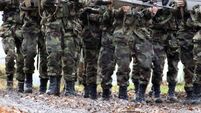
Meat association warning
It presented to him a report prepared by Dr Brendan Kearney, which predicted that the volume of beef available for export would decline in the range of 22% to 33%, corresponding to a 40% to 60% reduction in the suckler cow herd.
On this basis, turnover in the beef sector would decline by 380m to 573m and employment would decline by about 1,300 to 1,900.


Read

Listen

Watch

Play
Farming
Newsletter

Stay ahead of the season. Sign up for insights, expert advice and stories shaping Irish agriculture.
Farming
Newsletter
Stay ahead of the season. Sign up for insights, expert advice and stories shaping Irish agriculture.


Revoiced
Newsletter
Had a busy week? Sign up for some of the best reads from the week gone by. Selected just for you.
Lunchtime News
Newsletter
Get a lunch briefing straight to your inbox at noon daily. Also be the first to know with our occasional Breaking News emails.
Most Read
Thursday, October 1, 2026 - 11:00 AM
Thursday, October 1, 2026 - 1:00 PM
Thursday, October 1, 2026 - 1:00 PM