Climate change snow joke
But it is only one of the freak weather occurrences that have caused devastation in recent weeks around the globe, and farmers are hit badly in every continent by frightening evidence of an out-of-control world climate.
There has been huge loss of life also in Nepal, Bangladesh and India, where monsoon rains have killed at least 175 people.
Many people have lost their houses, crops and livestock. But even while swollen rivers flooded villages and triggered mudslides in eastern India, much of the huge nation faced its worst drought in more than a decade. India'smonsoon, the lifeline of agriculture and the economy, has become nightmare of patchy rainfall in many parts of the country.
Good rains are crucial for the more than 70% of India's billion-plus population which earns its living from agriculture, which accounts for quarter of the country's gross domestic product.
In Sydney, Australia, it had not rained for 34 days up to last Wednesday.
This is the second longest dry period on record, and just another example of unprecedented evidence of climate change.
With all of Australia's grain growing areas parched, the country's huge wheat crop will be a complete failure southern spring rains in a few months time live up to expectations.
Too much water is the problem in Venezuela's southwestern Apure state, where flood waters reached six feet (1.8 meters) last week. Not enough water is the problem across 18 western states of the US.
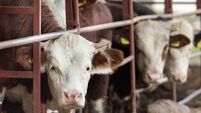
Cattle farmers in many states have had to sell cattle, and hay is being transported halfway across America from Oregon to Colorado, where the feed shortage is especially severe due to drought and wildfires.
There has been severe weather stress on corn and soybean crops in the American Midwest, causing nervousness in the global grain futures markets which closely follow yield predictions.
And the latest threat to farmers is a plague of grasshoppers and Mormon crickets, their numbers swelled by the drought, as they ravage crops and pastures across the West in what could be the biggest such infestation since World War II.
"They're even eating the paint off some of the houses," said Nebraska farmer Robert Larsen, who raises alfalfa, corn, soybeans and cattle on 1,600 acres where thousands upon thousands grasshoppers jump out of the way as he walks by in what looks like the parting of the sea.
The infestation further threatens the livelihood of farmers and ranchers already suffering because of the dry spell.