iPhone 18 Pro review: Is the variable aperture camera worth the upgrade?
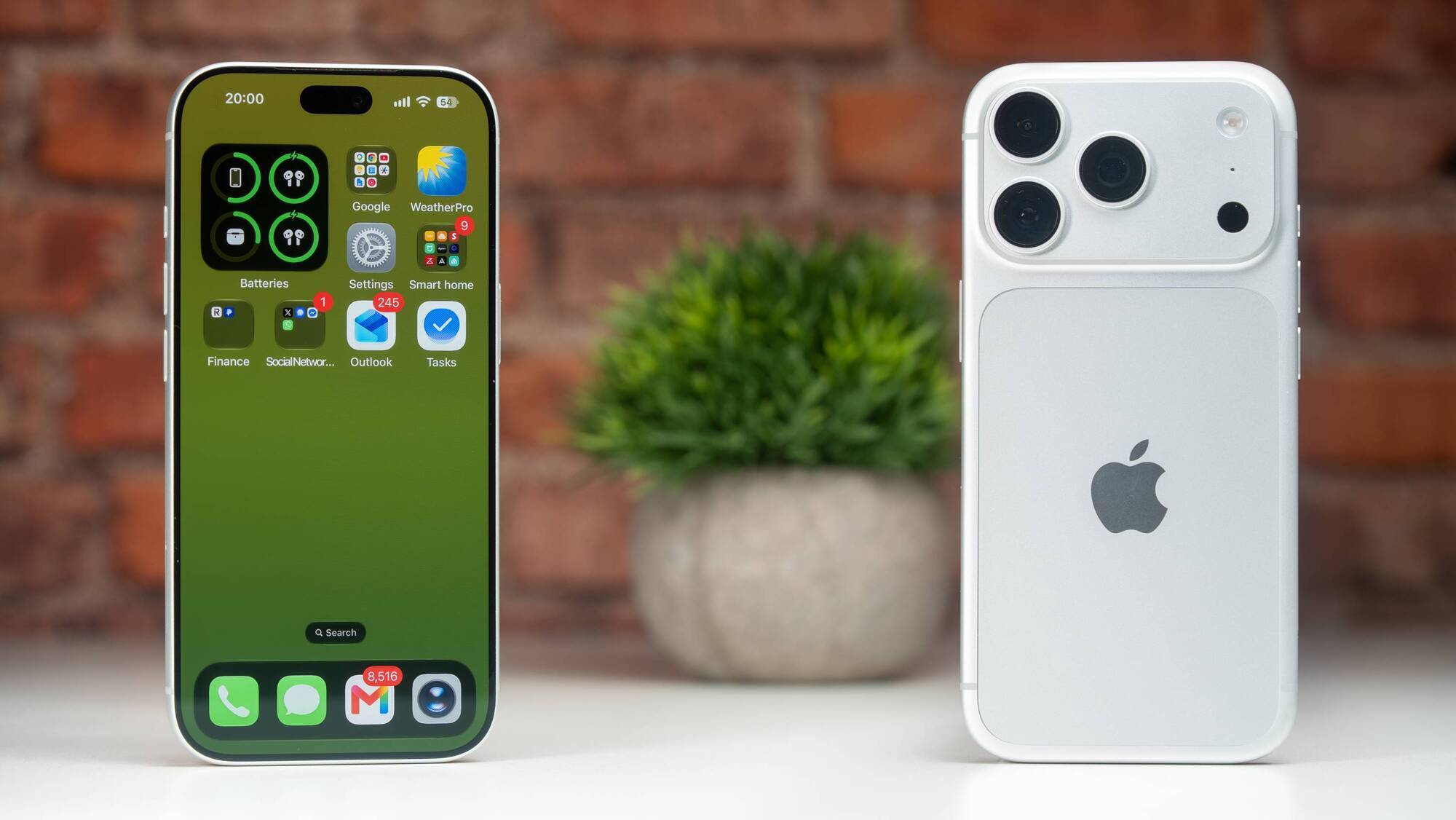
The iPhone 18 Pro marks a meaningful evolution for Apple users, offering substantial improvements in camera performance, thermal management, and AI-driven software. Picture: Noel Campion
I've used my iPhone 16 Pro for the last two years. It's been so reliable as my main phone that I have rarely felt the urge to look for something new. However, the iPhone 18 Pro feels like a natural upgrade for users on a 16 Pro or older. The main reason people hold onto their iPhones for so long is Apple's exceptional build quality. Combined with long software support, that makes sense: wait for a meaningful jump rather than upgrade every year.
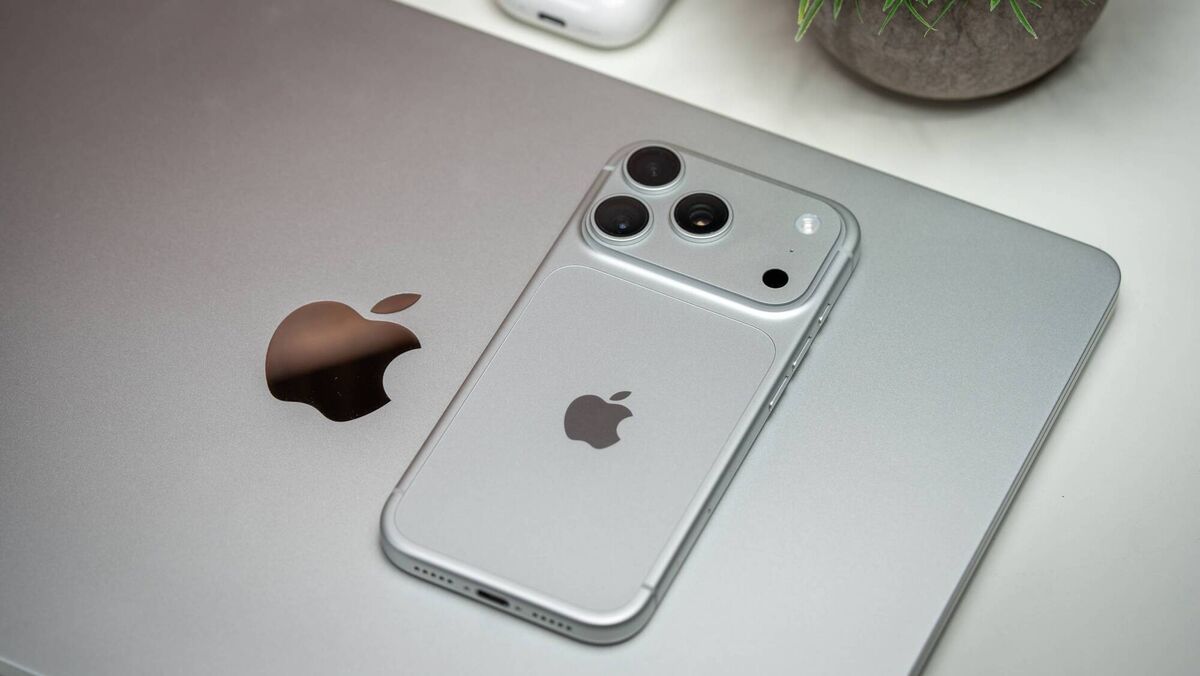
The iPhone 18 Pro feels different from my 16 Pro, but side by side with the iPhone 17 Pro, the differences are harder to spot. Apple has moved to a design that features colour-matched aluminium paired with black glass. My review model is the silver finish; however, this year the unique colour is burgundy, a sophisticated, deep shade that feels much more premium than previous years' standard colours.
While I preferred the titanium shell on the 16 Pro, the 18 Pro returns to aluminium, the same as the 17 Pro. If you want something new rather than an all-too-familiar design, you will have to wait at least another year.
The 6.3 Super Retina XDR display is where things get technically interesting. Apple has introduced a new display technology that allows the infrared camera for Face ID to sit behind the pixels. You need to use high magnification to see the difference clearly. In a small region left of the Dynamic Island, the pixel density is reduced to let infrared light pass through.
In my testing, I couldn't tell this with the naked eye. The pixels in that specific area operate at twice the brightness to compensate for the lower density, and the transition zones are engineered so well that the screen looks completely uniform. This innovation has allowed Apple to reduce the size of the Dynamic Island by about 25%.
The smaller Island means more usable space for Live Activities. On my 16 Pro, the Island sometimes felt like it crowded the screen when I had multiple notifications. With the 18 Pro, I could see full information for three different Live Activities at once, like a flight gate, a boarding time, and a music player, without them feeling cramped.
While I love the smaller Dynamic Island, the first week was plagued by Face ID issues, but the latest iOS 27.0.1 update seems to have improved it.
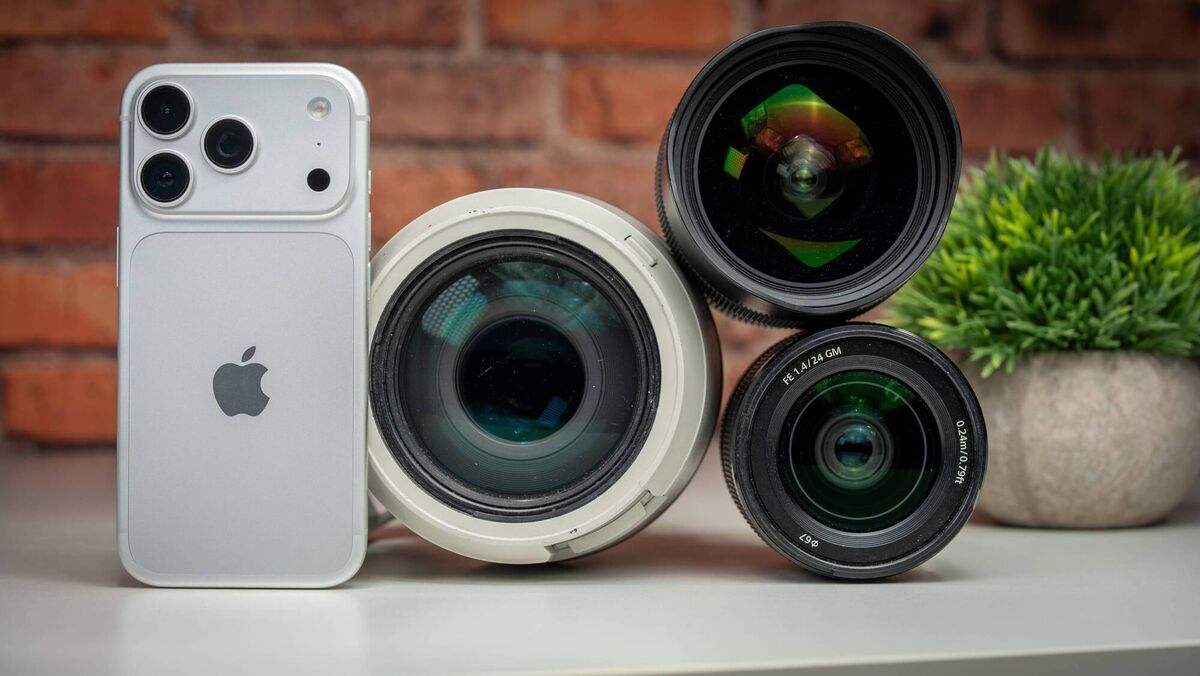
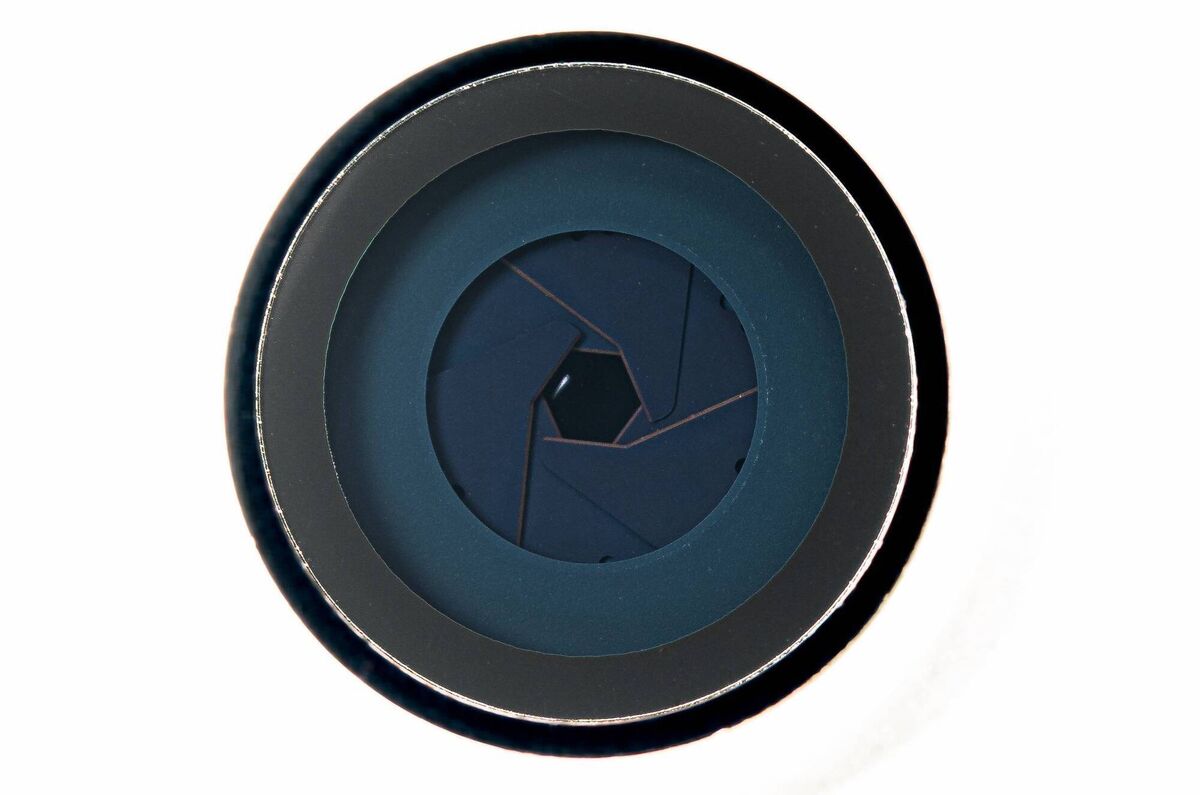
The new 48MP Fusion main camera features a variable aperture. Yes, Samsung, Huawei, Xiaomi, and Honor have released phones with some form of aperture-changing lenses, but Apple’s implementation is the first to offer four different apertures. The main lens has aperture blades, like a real camera, with four fixed opening sizes to control how much light enters the lens.
I actually took photos with a macro lens to see the mechanism. There are six laser-cut blades and a tiny motor that opens and closes them. I found the f/1.48 setting to be incredible for low-light photography. It captures about 50% more light than my 16 Pro, which meant I could take clear, detailed shots in dark environments without the usual digital grain.
The depth of field is also fundamentally different. On my 16 Pro, any background blur is largely a digital trick through Portrait Mode. With the 18 Pro, the f/1.48 setting provides a natural, optical bokeh. It looks much more realistic and organic. When I wanted more detail, like when photographing a group of people, the camera automatically narrowed the aperture to f/2.8 or f/4. This kept everyone in the frame sharp while still maintaining a nice aesthetic. I also discovered that narrow apertures create a stunning starburst effect on streetlights or sun peeking through tree leaves, a fun, creative tool for photography.
While not exclusive to the iPhone 18 Pro, the new Pro controls are one of my favourite new features of iOS 27. I know most users won’t care and may never discover them, but I found the interface very intuitive. You can now manually adjust white balance, use a histogram to check exposure, and even toggle shutter speed. I used a slow shutter speed one evening to capture light trails from passing cars, and the result was impressive. There’s also a manual focus feature with focus peaking. Like a dedicated mirrorless camera, it shows white outlines on sharp parts of the image, which takes a lot of the guesswork out of manual shooting.
Video has seen a similar boost. I loved that you can now apply cinematic mode effects to any video after you shoot it. On my 16 Pro, if I forgot to switch to cinematic mode, I was stuck with standard video. Now you can shoot in regular mode at up to 60 frames per second and add that depth-of-field effect later. The smart focus tracking also works well, locking onto subjects even as they move in and out of the frame.
I also checked out the selfie camera, which has the same 18MP square sensor as the iPhone 17 Pro. I love being able to take wide horizontal selfies without turning the phone sideways, which is incredibly handy.
It's not without flaws, however. While the main camera is a powerhouse, the ultrawide struggled in very dark conditions. Noise levels were higher than I expected, and it didn't match the main sensor's performance. I also found that the skin tones, while improved and less warm than previous models, can still occasionally look a little too processed in certain lighting.
The A20 Pro chip is a beast, and like the iPhone 17 Pro, the 18 Pro now starts at 256GB. However, the price jump to higher storage options is steep, and it maxes out at 2TB. The A20 Pro chip is built on 2nm technology, which is a significant leap in raw power. One of the most interesting changes is the silicon layout. Instead of stacking the memory on top of the chip, Apple has placed it alongside. This moves the memory away from the thermal path.
I put this to the test with a heavy gaming workload. On my 16 Pro, the device got quite warm and eventually throttled performance to manage the heat. On the 18 Pro, the new vapour chamber spread the heat much more evenly across the surface. I experienced much better sustained performance, and the phone stayed noticeably cooler during long sessions.
In everyday use, the performance is flawlessly smooth. I did not encounter any lag, even when jumping between heavy apps or editing high-resolution video. The 32-core neural engine does much of the heavy lifting behind the scenes. Whether I was multitasking or using the power-intensive apps, the device felt incredibly responsive. This phone is clearly built for high demand.
After two years, my iPhone 16 Pro still has an impressive 91% battery health. The iPhone 18 Pro has a larger battery, and after a few weeks of use, I can already see an improvement. Apple has changed how they measure this, using a model based on real-world data rather than just video playback. In my testing, I found the Pro's 23-hour estimate to be quite accurate. Even on a heavy day of photography, social media, and navigation, I usually finished with a comfortable charge margin left. When I did need to top up, the faster wired charging was a welcome addition, getting me to 50% in about 50 minutes.
This is an excellent upgrade for iPhone 16 Pro owners and those on older models, especially for camera performance. The new variable aperture and pro controls add a welcome level of professional control for those of us who love photography and want more creative control. For those who just want a point-and-shoot experience, the iPhone 18 Pro offers one of the best in the business.
€1,489 (256GB), €1,739, €2,239 (1TB) and €2,989 (2TB) Apple
CONNECT WITH US TODAY



Be the first to know the latest news and updates