Roborock Z120 LiDAR review: A heavy-duty robot lawnmower that handles steep slopes and rough terrain with ease
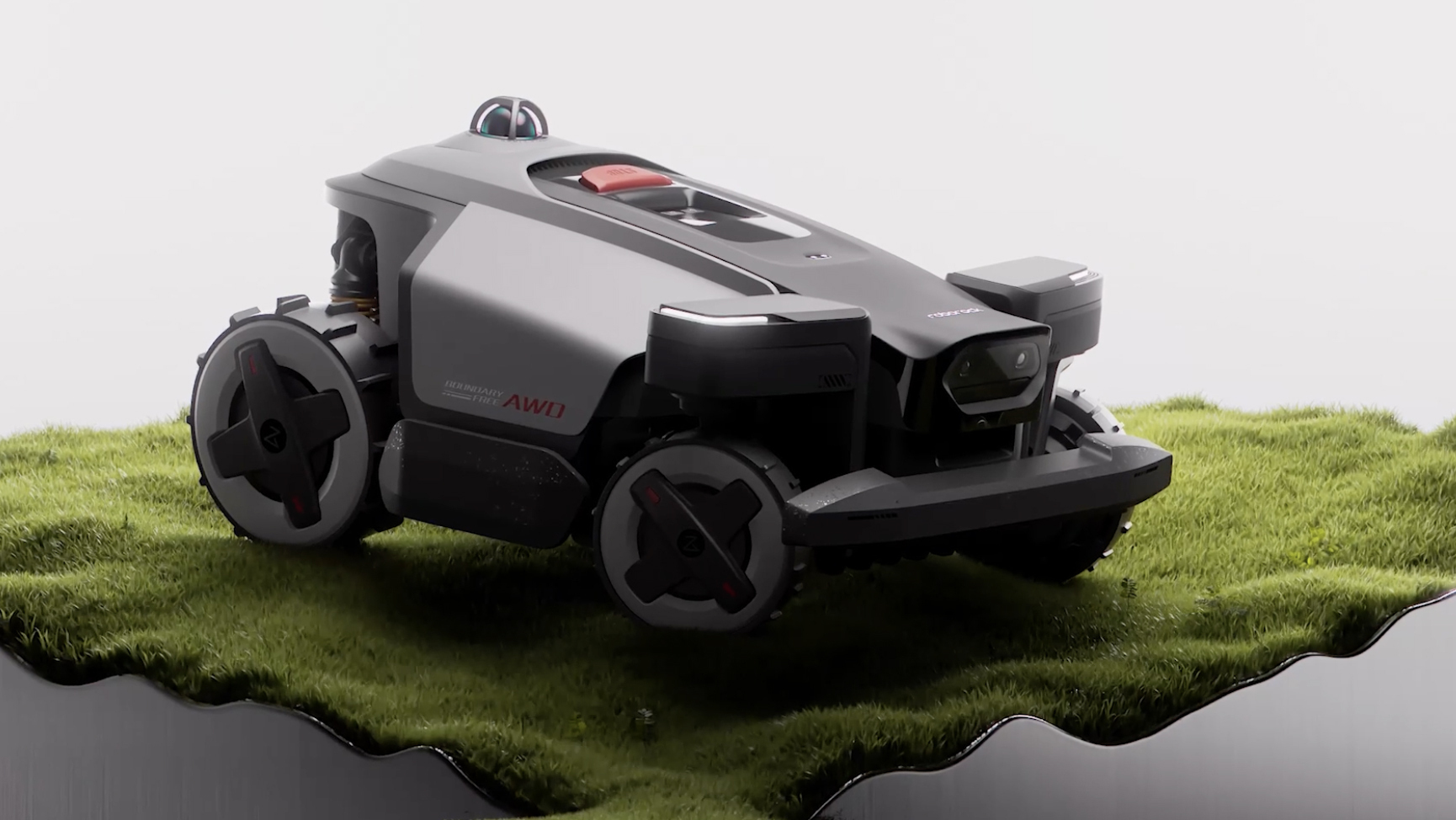
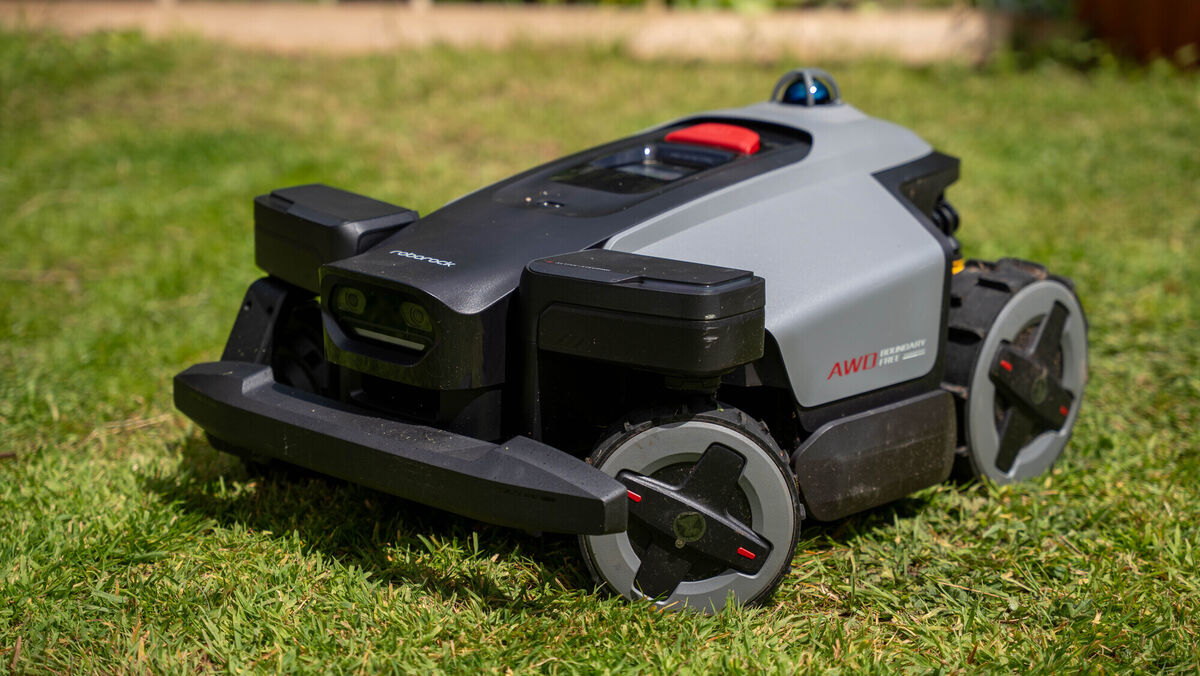
The Roborock Z120 provides an automated solution for maintaining larger, more complex garden plots. Picture: Roborock
Roborock is better known for its robot vacuums, but it is now applying its navigation and robotics expertise to the outdoors with a full range of robot lawn mowers. Unlike many of the lighter mowers I have used previously, the Roborock Z120 LiDAR is a heavy-duty mower that stays planted even on a 39-degree incline. While the initial boundary setup was a bit of a chore because you have to manually pilot it via the app, the way it navigates tight corners and handles complex terrain makes it a practical choice for larger, more difficult plots.
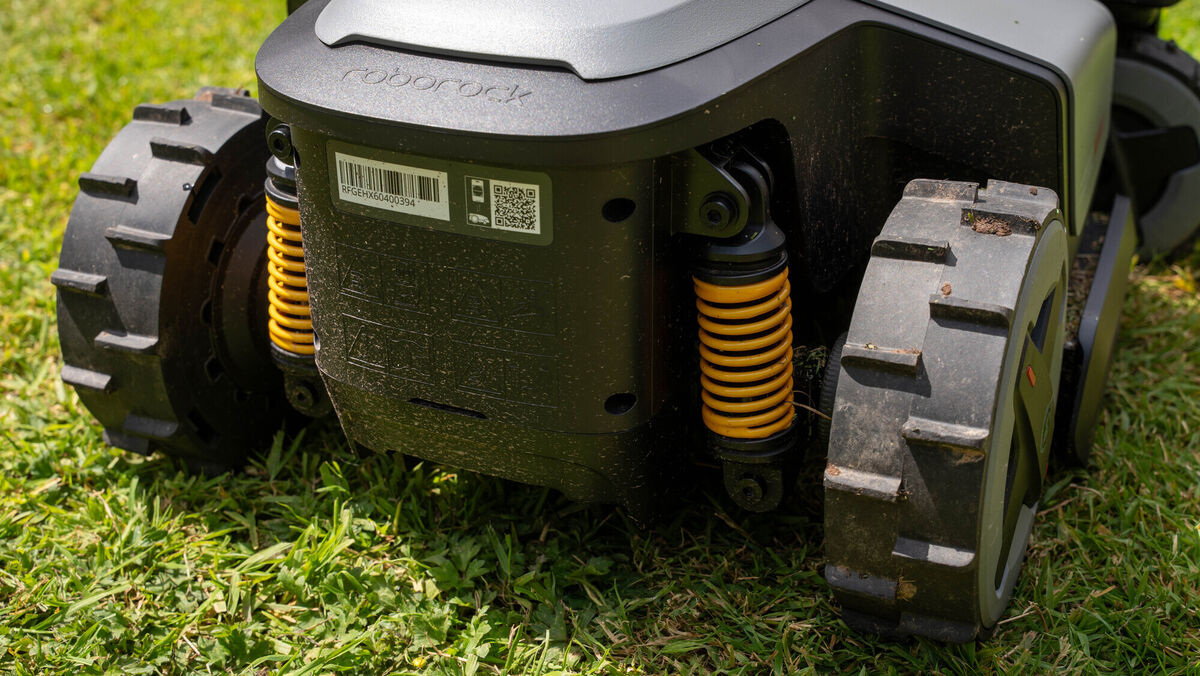
The Z120 is solid and heavy, unlike your typical robot lawnmower, which is much lighter. Roborock has chosen a steel‑reinforced frame that gives the machine a solid feel without making it feel too heavy. The four‑wheel drive layout is a key differentiator — the mower has a pair of front wheels that can pivot up to 90 degrees, and all four wheels are powered, which translates into excellent traction on uneven ground.
A top‑mounted LiDAR sensor sits on a rotating platform that scans 360 degrees and feeds data into the on‑board processor for real‑time mapping. A dedicated charging dock sits outside, and the mower automatically returns to it when its battery drops to 85 per cent during mowing, switching to the final 15 per cent only when it returns to the dock. The dock itself is compact enough to fit in a small garage or along the perimeter of a yard, and it includes a charging cable and a spare plug. This minimalistic approach keeps the package light yet practical, as you only get what you need to operate.
Its overall footprint is compact, making it easy to store when not in use. The external design is matte dark grey with subtle trim, giving it a modern look that complements most garden aesthetics. While the Z120 doesn't include a dock cover as standard — though one is available as an optional extra — its IPX6 rating meant I never felt the need to protect it from the elements. In fact, Roborock even recommends cleaning the unit with a garden hose.
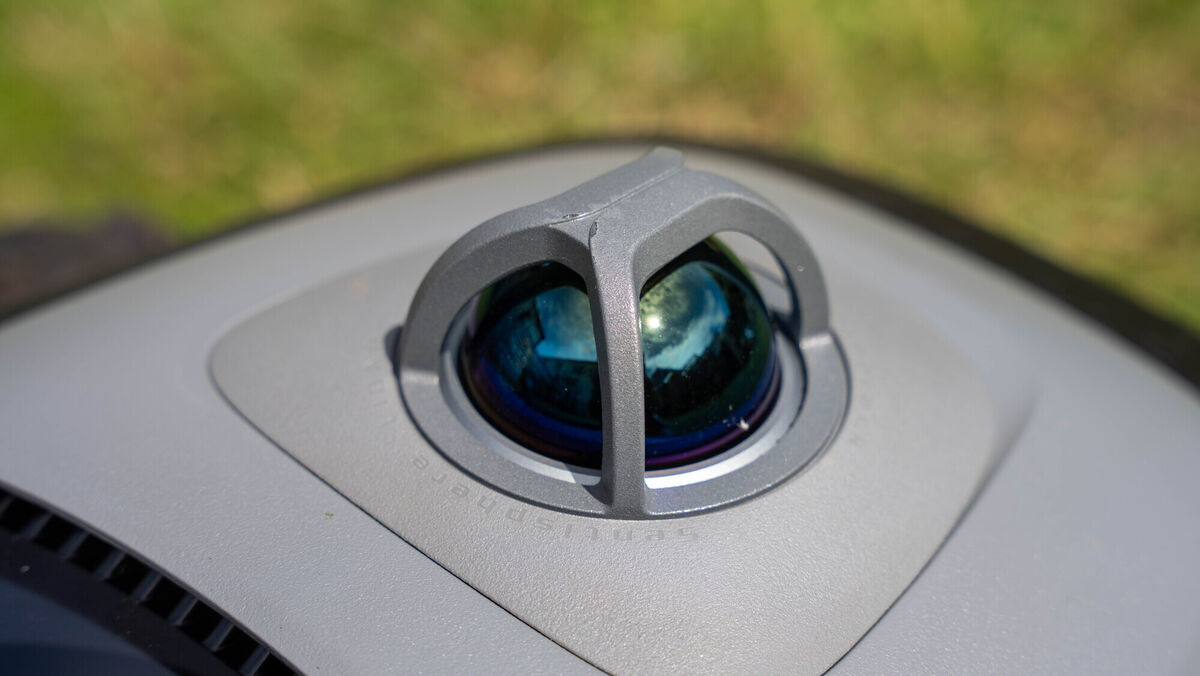
Driven by a powerful motor, a six-blade plate and a 24cm cutting width, the Z120 uses LiDAR-based navigation to create precise, real-time lawn maps. However, the current setup process is somewhat cumbersome. You must manually pilot the mower in the app to define boundaries, which can be time-consuming, especially for complex layouts that may require multiple mapping attempts. While Roborock has promised an auto-mapping firmware update, this feature has yet to arrive despite regular software releases during my testing. Nevertheless, the convenience of avoiding complicated RTK setups or invasive boundary wires makes the Z120 a much more streamlined option than many competitors.
You can choose to let the mower select the optimal path or manually set a direction, which is useful on very long, rectangular lawns where a straight‑line approach is more efficient. The ability to choose from preset mowing patterns or create custom designs in the app is coming via a firmware update.
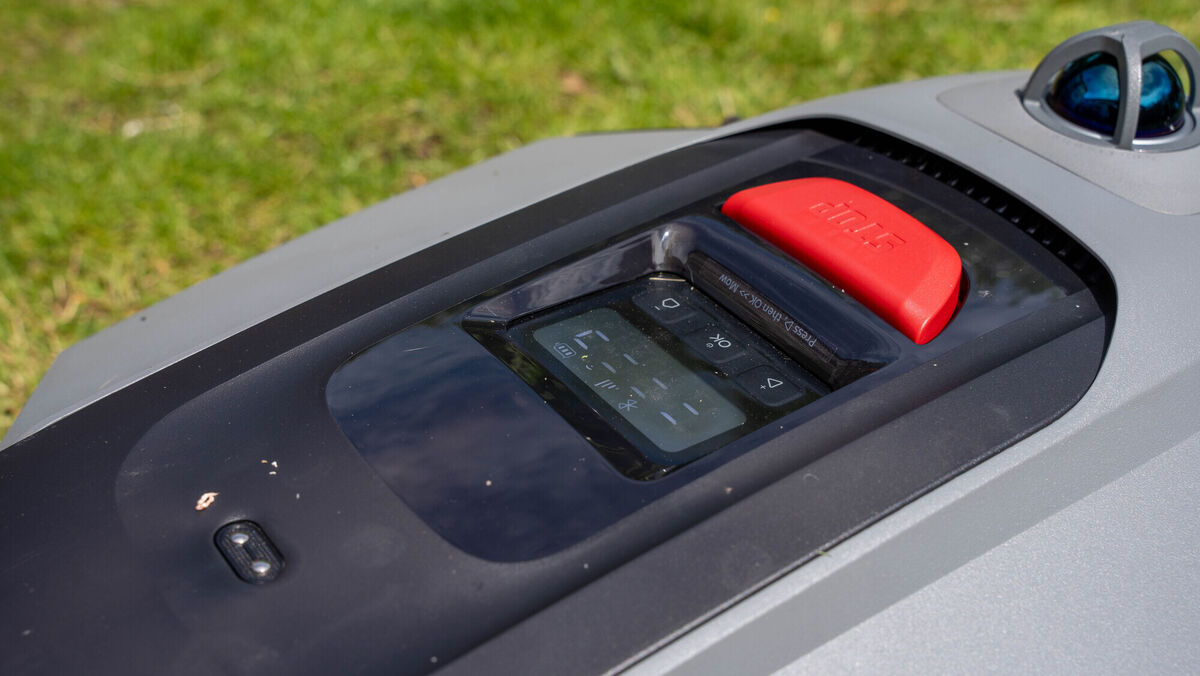
The mower is also equipped with a rain sensor that will pause operation during precipitation and return to the dock or garage for safety. If you cut your grass often and want to keep it short, you can simply turn this feature off. I found the floating base keeps wet grass from sticking, which is something I really struggled with on other robot mowers I've tested.
On paper, the optional edge-cutting module sounds like a game-changer, using a dual-blade design to get as close as 3cm to fences. But in my experience, I didn't always notice much difference compared to the standard 10cm reach. It turns out that how close you map your boundaries is the real deciding factor, and even with the module installed, I still found myself reaching for the manual trimmer every now and then.
The app offers a full range of controls, from scheduling and zone definition to maintenance logs and firmware updates, all accessible from a smartphone. It also offers a quiet mode that reduces noise during early or late mowing, benefiting neighbourhoods.
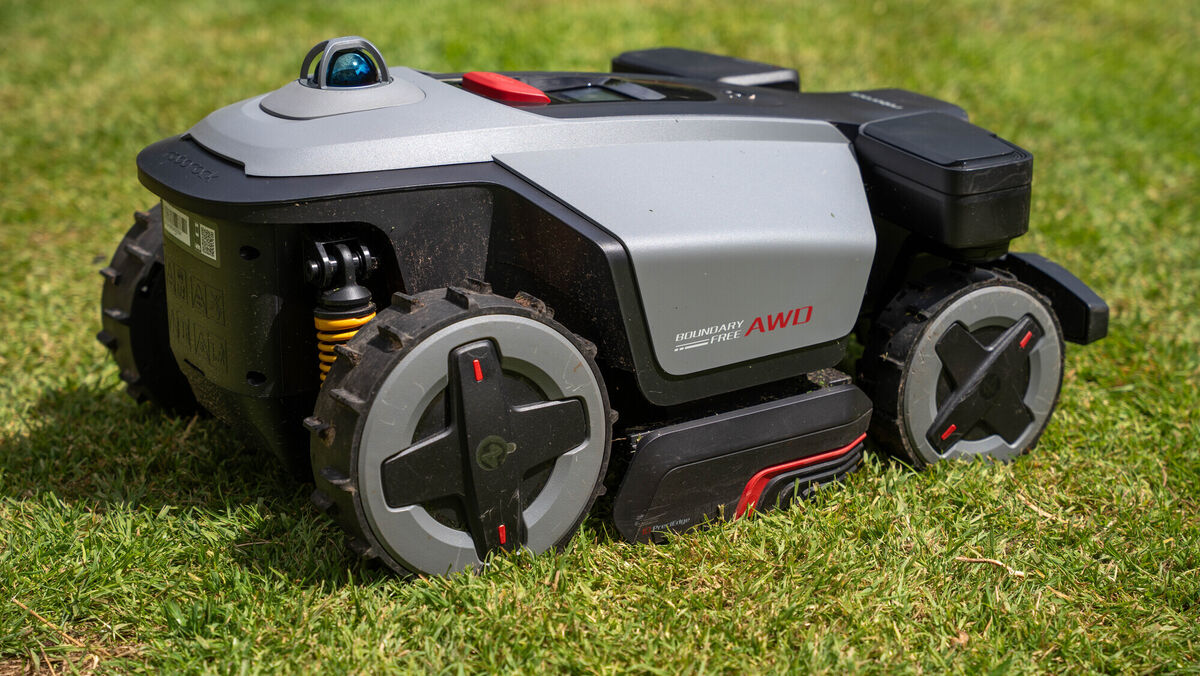
Under the hood, the Z120’s 150‑watt motor drives six 3mm-thick blades that can be set to a cutting height between 2cm and 7cm and can cover lawns up to 2,000 sqm. The Z150 LiDAR is an option for much larger gardens, capable of managing plots as large as 5,000 sqm
If you have a large lawn, it will take several battery cycles to complete a full cut, because the mower limits charging to 85% during mowing and only switches to the final 15% when it returns to dock. Battery life is around 70 to 90 minutes per cycle, depending on terrain. When used on a steep slope, the mower slows down slightly to maintain traction, but this does not significantly reduce overall efficiency.
Thanks to powerful lights and LiDAR, the mower can cut in darkness, which is a massive benefit for those with large lawns, and it’s so quiet, it won’t wake the neighbours.
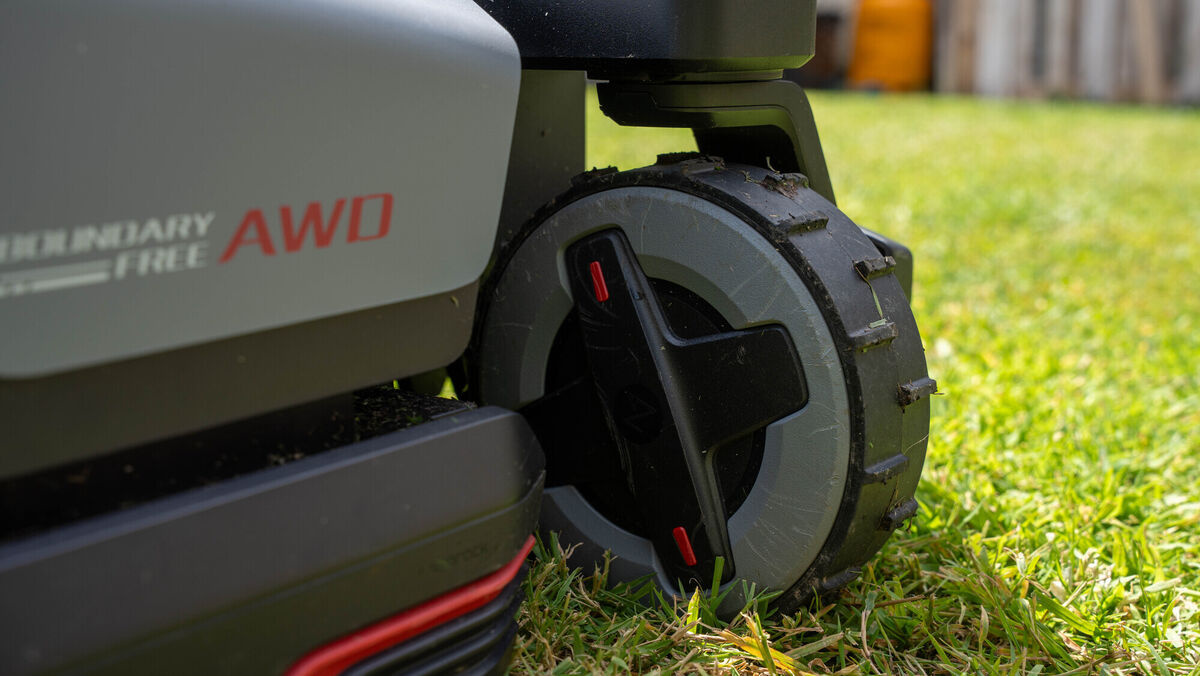
The robot’s four‑wheel drive and 90‑degree turning front wheels allow it to navigate around low‑lying obstacles and reach tight corners without the need for a human to intervene. My real‑world testing shows that the robot can handle slopes of up to 80%, roughly a 39‑degree incline, an impressive feat for a consumer‑grade machine.
While LiDAR technology makes the mower highly effective at avoiding stones, holes, and small animals, it can occasionally be overly cautious. Overhanging plants or towels on a line can trick the sensors into flagging an obstacle, leading the mower to bypass usable patches of lawn.
Testing the Z120 LiDAR with a mix of mounds, ditches and boundary walls was a rigorous field test. The user interface in the Roborock app is intuitive, making it easy for anyone to create multiple zones and to mark off problem areas such as raised beds.
After a couple of months of use, the mower showed no mechanical wear, and the blade stayed sharp; a replacement after 600 hours is advised for best results.
The six-blade base is incredibly efficient, and honestly, my lawn has never looked better. I’ve found that regular cutting keeps everything looking tidy, and because the mower only takes a few millimetres off the top each time, those tiny clippings actually help feed the soil in a completely natural way.
While I have friends who still swear by their ride-on mowers, if you're managing a large lawn, a robot mower like the Z120 LiDAR is a total no-brainer. It maintains a perfect lawn automatically, and unlike a human operator, it never takes a holiday or a break, meaning you never have to worry about the grass getting too long between cuts.
Controlling the mower via the app is very cool, and I often used it to tidy up patches or just for fun. Roborock's promised FPV feature, which would allow for remote property monitoring via the onboard cameras, is still awaiting a firmware release. However, the current security offerings are impressive. The anti-theft mode uses Google Maps to track the mower’s location, triggering an alarm and lock if the device is moved outside its boundaries. This is complemented by a comprehensive safety toolkit, including a lift alarm, child lock, safety lock, and a wildlife-friendly setting.
The Roborock Z120 LiDAR is a high-quality robot mower that performs well, although it hasn't reached its full potential due to firmware updates that are yet to be released. Its four‑wheel drive and high‑resolution LiDAR provide the navigation accuracy required for uneven and sloped lawns. The mower’s battery life and quiet operation make it a practical choice for larger properties where manual mowing would otherwise be time‑consuming. If you need a mower that can handle steep slopes and uneven ground, the Z120 LiDAR is highly recommended.
€2,699 https://garden.roborock.com/ie/products/roborock-rockmow-z1-lidar
CONNECT WITH US TODAY



Be the first to know the latest news and updates