Nothing Phone (3): The most distinctive-looking Android phone of the year

Nothing's Phone (3) introduces a new interactive experience powered by the innovative Glyph Matrix Interface. Pictures: Noel Campion.
In a smartphone market crowded with lookalikes, the Nothing Phone (3) stands out like a neon sign in a sea of grey. It’s bold, nostalgic, and unapologetically different. After using it as my daily driver for the past couple of weeks, I’ve got a clearer picture of where this phone shines and where it falls short.
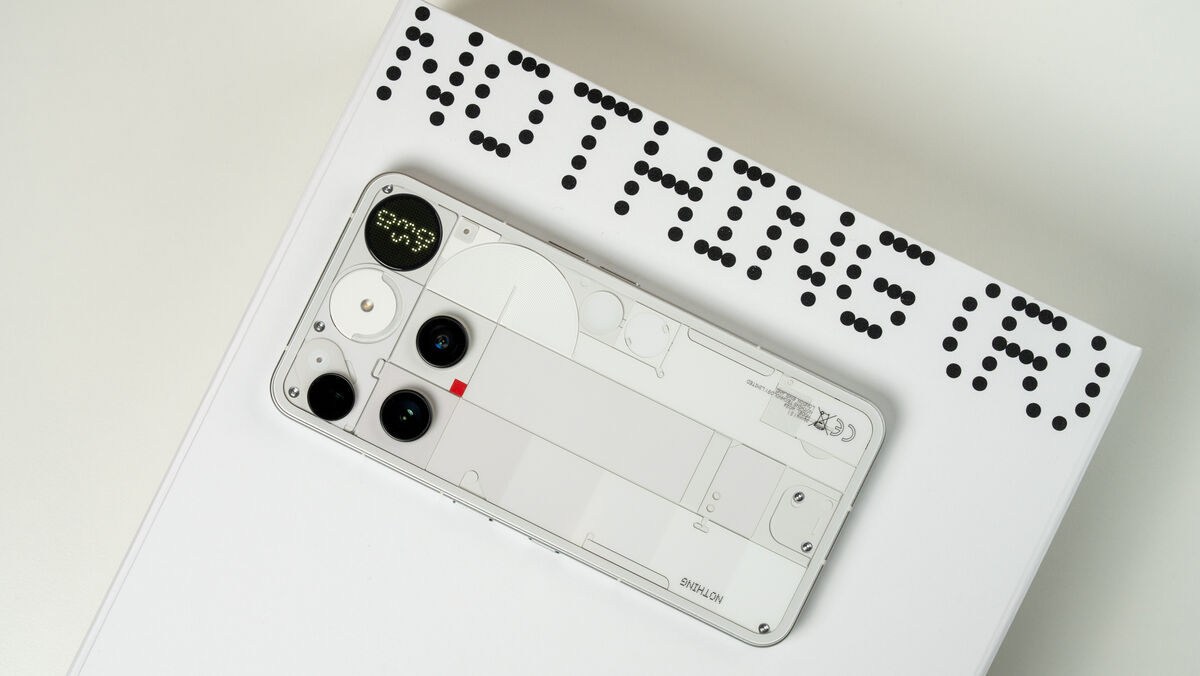
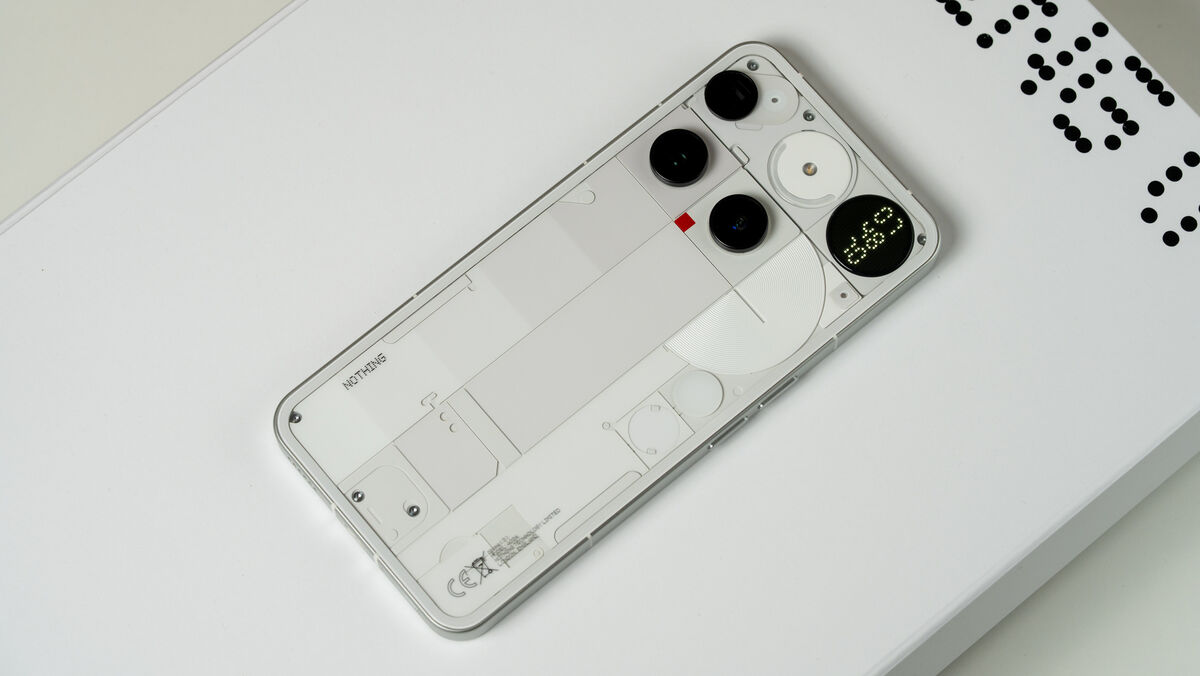
There really is nothing quite like the Phone (3). Its transparent rear, with architectural grooves, bold lines, and an asymmetric camera array, immediately catches the eye. Some may call it gimmicky, while others appreciate its retro-futuristic aesthetic. I love the design, but I can understand how those with a preference for symmetry might find it a bit jarring.
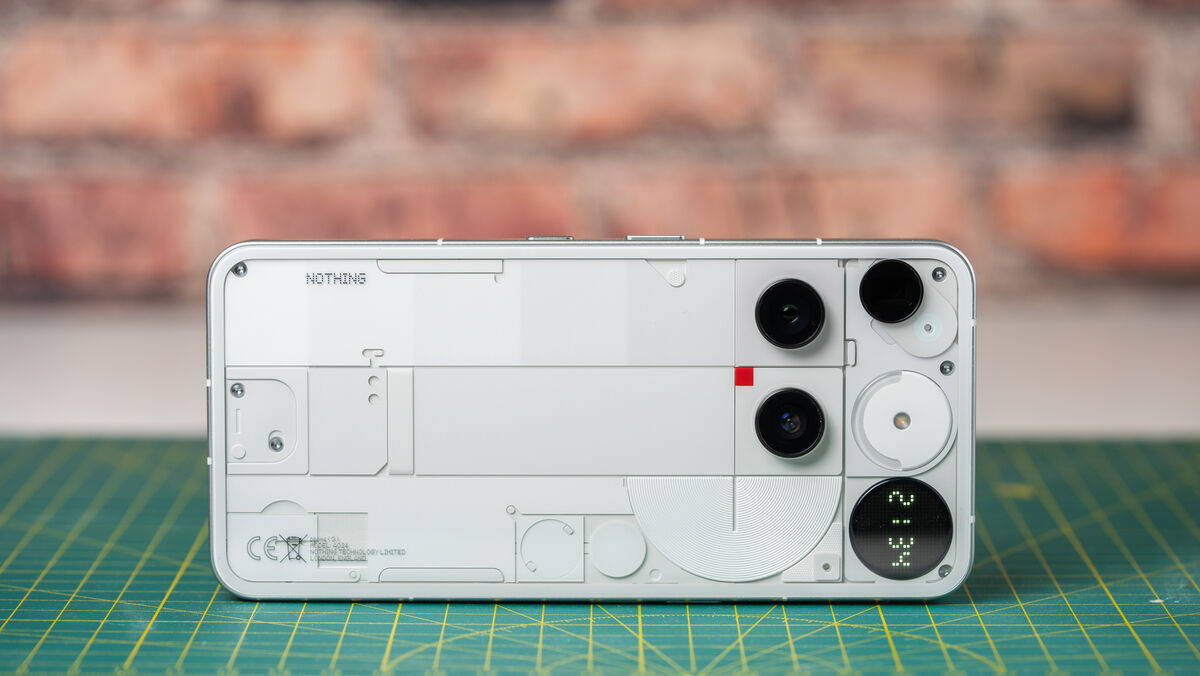
The rear camera lenses on the Phone (3) don’t protrude as much as those on many other flagship phones, which gives it a cleaner profile. However, at 9mm thick, it’s not the slimmest device either. For context, the new Samsung Galaxy Z Fold 7 measures 8.9mm when folded, and the Honor Magic V5 is even slimmer at just 8.8mm folded.
While the Phone (3) is Nothing’s flagship, it’s not as premium as flagships from some of the other top brands in terms of materials. You get Gorilla Glass Victus on the front, which gives it flagship protection, but the rear uses Gorilla Glass 7i, a more budget-friendly variant. It looks great, but you’ll definitely want a case, and thankfully, Nothing includes one in the box as well as a pre-installed screen protector.
A notable upgrade is the water and dust resistance, which has improved from IP54 on the Phone (2) to IP68 on this model. This means it’s significantly more resistant to dust and can withstand full submersion in water, offering much better protection.
Button layout is straightforward, with volume on the left and power on the right. There’s also the Essential Key on the right side, a dedicated shortcut button featuring AI smarts. It defaults to basic functions like screenshots or voice memos, which are saved into your Essential Space, but lacks built-in remapping options. Hopefully, Nothing will allow you to reassign this in a future update.
A great new addition to the rear of the Phone (3) is a small red square that lights up and blinks when recording video or using the voice recorder. It’s a subtle yet stylish touch that also serves as a handy visual cue.
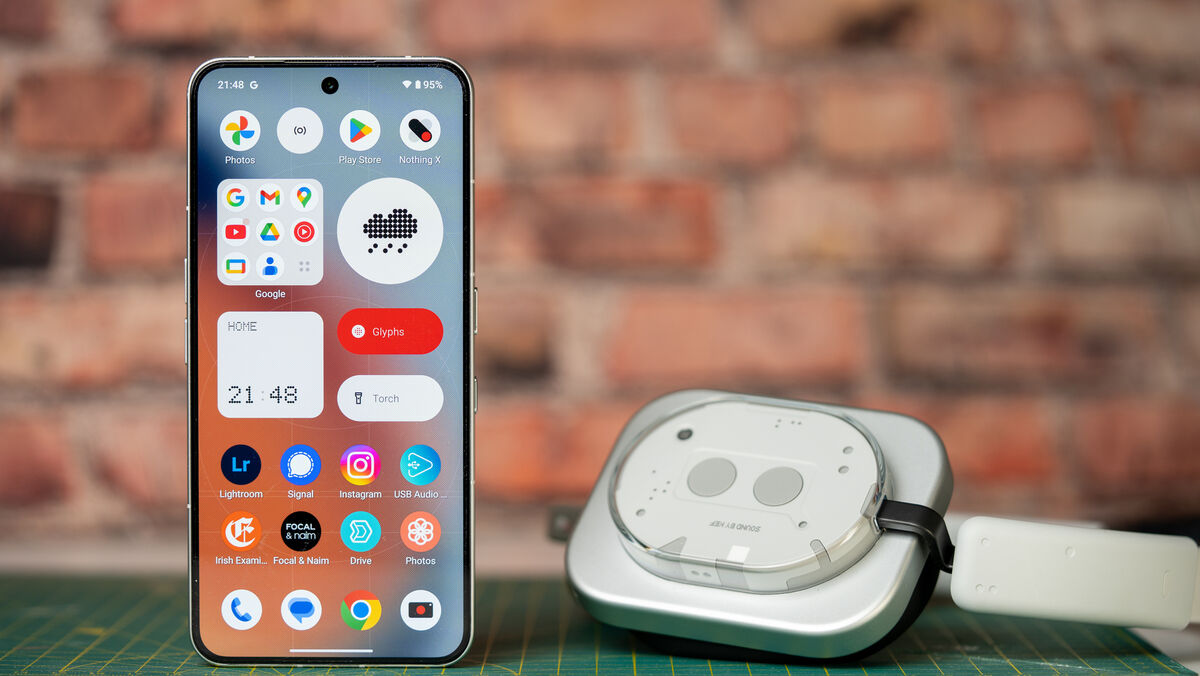
The 6.67-inch AMOLED panel is sharp, vibrant, and incredibly bright, reaching a peak brightness of 4,500 nits in ideal conditions. Everything from scrolling to video playback looks fluid thanks to a 120Hz refresh rate. However, the display tech is not LTPO, meaning it can only scale down to around 30Hz rather than 1Hz. That’s a detail that might not matter to most, but may have a slight effect on power efficiency for things like the always-on display.
Still, the size and brightness are huge pluses. Watching HDR content on this screen is a treat, and outdoor visibility is excellent. Bezels are minimal and uniform, and the flat-screen design, along with rounded corners and chamfered edges, ensures top-notch usability.
Inside, the Phone (3) runs on a Snapdragon 8s Gen 4, a capable but not top-of-the-range chipset. In everyday use, using social apps, multitasking, and photography, it feels snappy and smooth. Even some light gaming is handled well, though frame rates can dip in more demanding titles.
It doesn't feel sluggish, but it doesn’t quite hit flagship levels of speed or fluidity under pressure either. If you’re a power user or gamer, this is worth considering. For most people, though, I don’t think you’ll notice a difference.
My review unit shipped with 16GB of LPDDR5X RAM and 512GB of UFS 4.0 storage – the base model features 12GB of RAM and 256GB of storage.
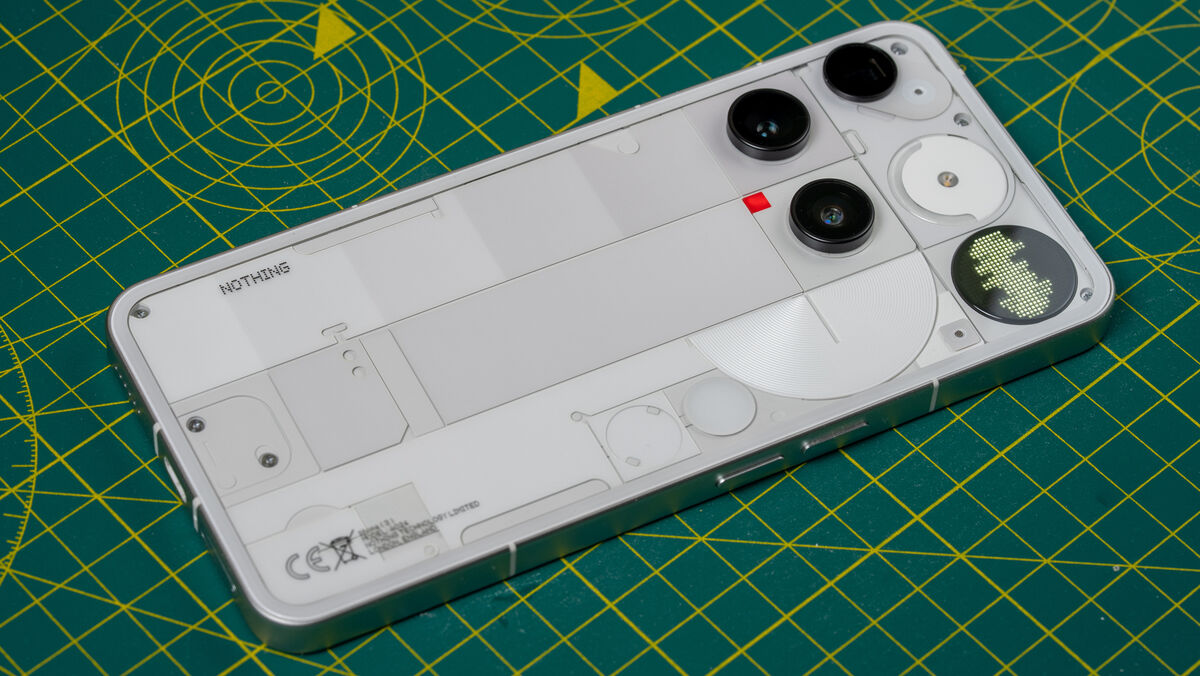
Nothing has built its Phone series identity around its unique Glyph lights interface, but the Phone (3) ditches this for a new monochrome circle with a micro-LED grid with 489 tiny lights in the top right corner, which Nothing calls Glyph Matrix. This works in conjunction with the Glyph button. A tap cycles through tools and widgets, while a press-and-hold activates or plays the selected feature. Over time, this novel feature has the potential to evolve into something more practical; however, at the moment, its usefulness is quite limited. You can check battery life, start timers, or activate a few fun features, such as “spin the bottle.”
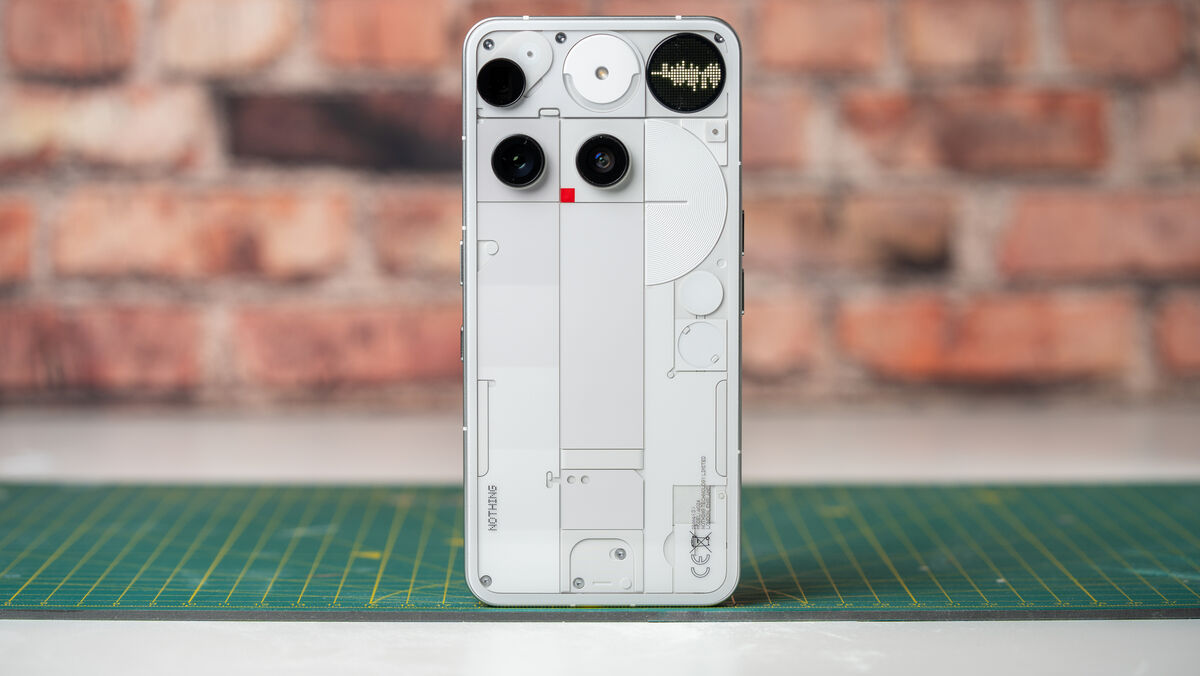
While I wasn’t initially impressed with the Glyph Matrix, over time, and by using it as intended to reduce screen-on time, I began to appreciate its subtle benefits. I started placing the Phone (3) face down on my desk, allowing the Glyph Matrix to quietly alert me to new messages, incoming calls, and other notifications. If the goal was to reduce distractions, then in my case, it worked.
Essential Space offers new features, including Flip to Record, a quick way to record meetings and have them transcribed, recognising speakers, summarising your recordings, and highlighting action points.
Wireless charging finally makes its debut here, alongside 65W fast wired charging and a massive 5,150mAh battery. There’s no charger included, but using a 100W PD charger, I was able to charge it from 0 to 100% in under an hour. In my experience, the battery life has been exceptional, often stretching to two full days on moderate use. That’s easily one of the phone’s strongest selling points.
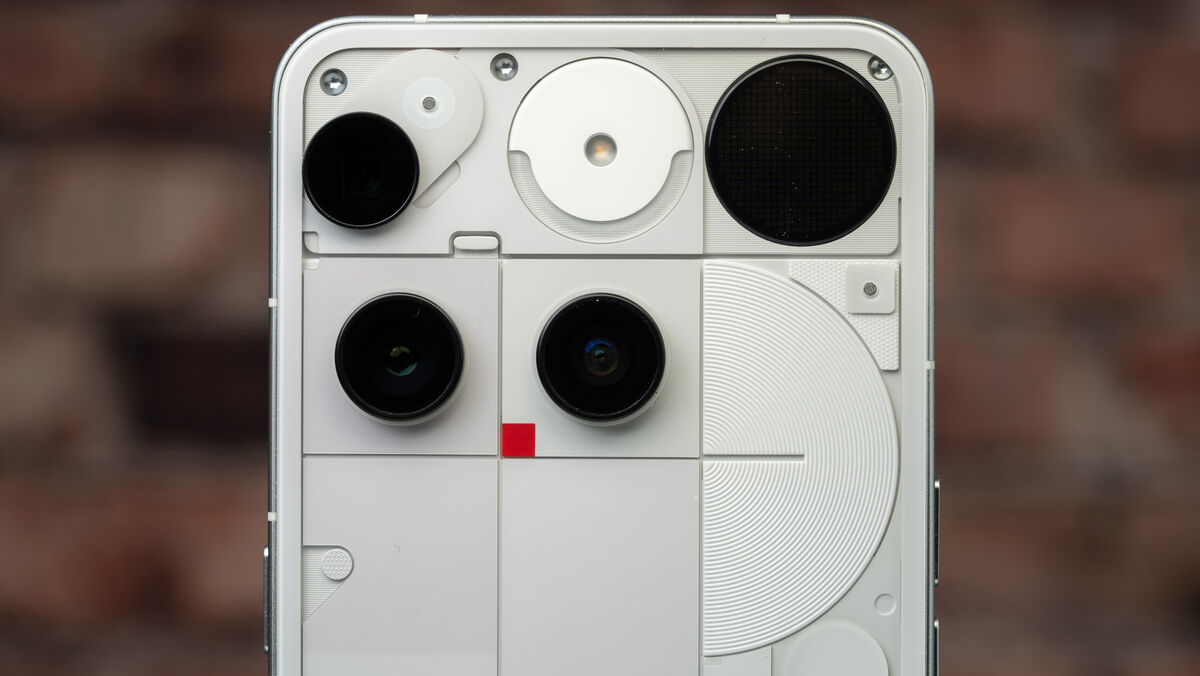
The triple-camera system features a 50MP 1/1.3-inch main camera sensor, taking in 44% more light than Phone (2), a 50MP ultrawide lens and a 50MP periscope telephoto lens with optical image stabilisation. Sounds impressive, and in daylight it mostly is. Shots are punchy, social-ready, and well-detailed, especially from the main camera.
Night shots can be hit-or-miss, with inconsistent exposure and some loss of detail. The telephoto camera is excellent, delivering impressive zoom performance and cleaner images than expected. It also doubles as a macro lens, capturing crisp, detailed close-up shots without needing to get so close that you cast a shadow over your subject. This is a major win for macro photography enthusiasts.
The 50MP front-facing camera is also surprisingly good. Selfies are detailed with accurate skin tones and colour reproduction. Video recording tops out at 4K, with good stabilisation and rich colours, though there's no pro video mode or log capture, which limits creative control.
The Nothing Phone (3) dares to be different, blending standout design with practical upgrades like IP68 water resistance, excellent battery life, and a bright AMOLED display. While performance isn’t flagship-tier and some features feel experimental, it’s a refreshing alternative in a world of smartphone sameness. If you value style and innovation over raw specs, it’s definitely worth a look.
From €849 Harvey Norman
CONNECT WITH US TODAY



Be the first to know the latest news and updates