Europe’s family-run businesses at odds over digital future
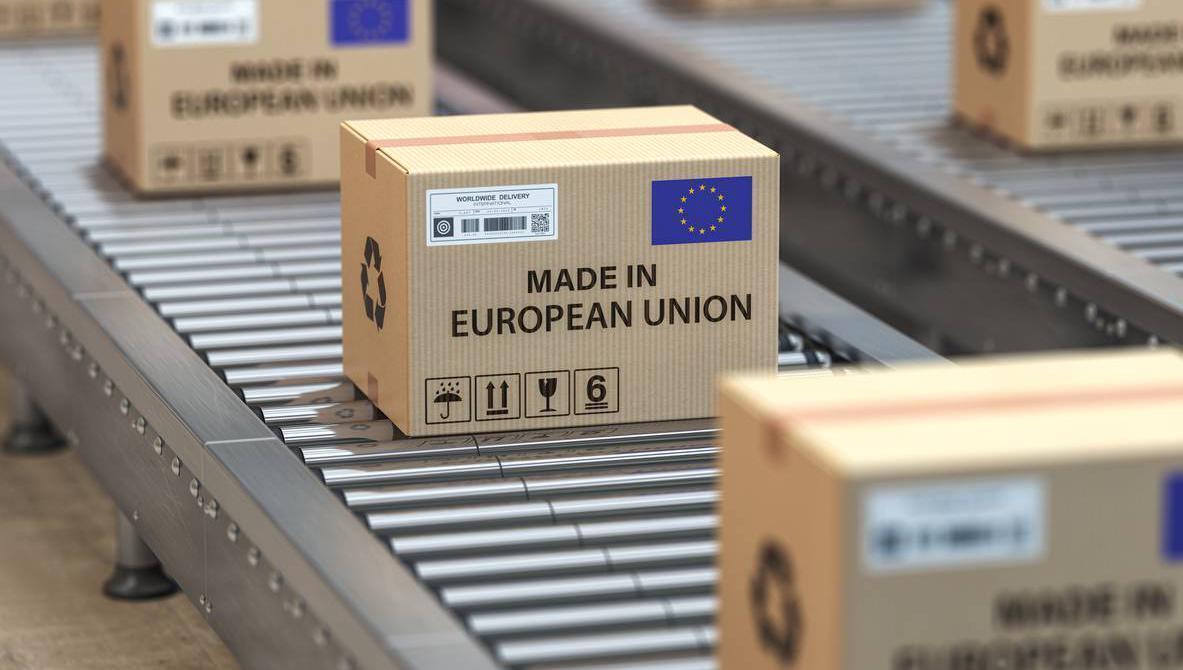
SMEs as a collective account for 99% of all European enterprises, with the majority family-run, according to the European Parliament
Europe’s family-run businesses at odds over digital future

Many of Europe’s family businesses are facing a challenge in identifying the right digital solutions for their industry sectors. Photo: iStock

Europe’s small family businesses could be at risk of falling behind competitors as the economy becomes more digital, research from Mastercard last year has found.

Convincing family members to modernise and finding the right digital solutions are key challenges faced by the sector. SMEs as a collective account for 99% of all European enterprises, with the majority family-run, according to the European Parliament, particularly micro-businesses with less than 10 employees.


Despite their huge presence, just 37% of family-run SMEs feel very prepared to operate in a digital economy according to the study.

Mastercard carried out the research in 15 countries to understand how small businesses are responding to Europe’s increasingly digital economy and society. The study polled 10,500 respondents from both family- and non-family-run SMEs, demonstrating that new strategies are needed to better help smaller family firms.

Family businesses have rapidly adapted to the digital-first world ushered in by the pandemic, with nearly half increasing their use of digital payments. However, the research reveals that family firms are still uncertain about which digital resources and technology would work best for them.

More than two-fifths (41%) said they wanted new digital tools to modernise their businesses, but a significant number (28%) were unsure of which solution would best support them. Close to a third (30%) of family businesses said relying on an internet connection was a barrier preventing new digital solutions that could support their commercial activities.

Being family-run presents distinct challenges that may make modernising more complicated. One issue uncovered was resistance to change, with some employees thinking their family firm had a closed mindset to adapting with the times and trying new things, with older generations seen as less likely to want to do so.

Navigating relations between family members is also a unique factor at family businesses, with a fifth saying that personal relations with their relatives was the biggest hurdle to overcome at work.

Interestingly, succession planning was a key flashpoint for some, with a fifth reporting there was conflict over who would take over the business in the future.

On the whole, respondents were positive about working with their relatives and family firms were more optimistic they would grow in the coming year than non-family-run businesses.

However, the uncertainty of if and how to modernise, coupled with family dynamics, could increase the risk of some small family businesses eventually being outpaced by more adaptable competitors.

“Small businesses are the driving force of Europe’s economy, employing 82 million people and have shown remarkable resilience in tough times,” said Mark Barnett, president of Mastercard Europe.

“However, many SMEs, especially those that are family-run, need additional support to thrive in a changing world. Without assistance, we run the risk of our beloved small local businesses being unable to meet fresh consumer demands and remain competitive.

“Mastercard already supports four in five small businesses in Europe and is committed to helping them keep pace with the shifting digital landscape through our range of solutions, resources and digital tools.”

x

More in this section

The Business Hub

Newsletter

News and analysis on business, money and jobs from Munster and beyond by our expert team of business writers.

Cookie Policy Privacy Policy Brand Safety FAQ Help Contact Us Terms and Conditions

© Examiner Echo Group Limited