Consumer gains lie in building and connecting onshore wind farms
During last year’s energy crisis, wind farms did the most to protect Irish families and business, writes Noel Cunniffe, CEO, Wind Energy Ireland
Consumer gains lie in building and connecting onshore wind farms

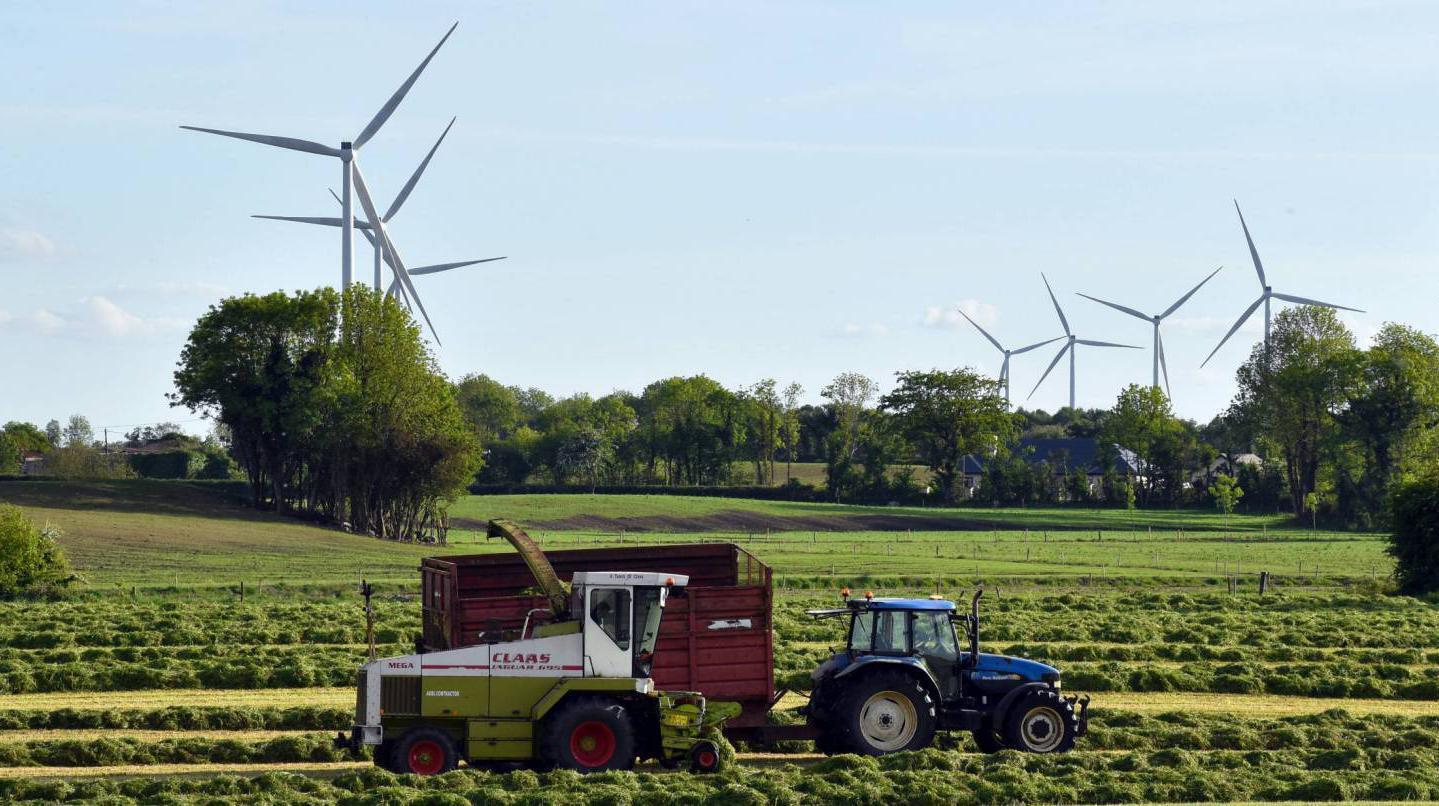
Wind turbines are increasingly becoming part of the landscape in Ireland, as this image shows; this photo was entered into a Wind Energy Ireland photo competition promoting awareness of climate action.

The past 18 months have been a terrible time for Irish electricity consumers. The cost of electricity has doubled for Irish households and is now the highest in Europe. Businesses, particularly small, local, companies have struggled, and in some cases shut, in the face of ever rising bills.

There is no easy solution to our crisis but the cause is very clear. For too long Ireland has depended on imported fossil-fuels to provide the electricity we use to light our homes and power our industries. The hard lesson from 2022 is that we will always be vulnerable while we depend so much on the volatile global fossil-fuel markets.

It is Irish onshore wind farms that are doing more than anything else to end our dependency on fossil fuels. Last year consumers were able to avoid paying €2 billion for gas because Ireland’s wind farms provided 34 per cent of the country’s electricity.

The savings were particularly significant on days with extremely high gas prices and large volumes of wind energy. On a single day last year – Tuesday 8 March – the combination of high winds and soaring gas prices delivered a total avoided cost for the people of Ireland of €43 million in just 24 hours.

Since Ireland imports around 70-75 per cent of our annual gas demand the likelihood is that the vast majority of the €2 billion which would, without wind energy, have been spent on gas would have been spent buying it from Britain.

Every day Irish onshore wind farms are protecting consumers from the worst effects of the fossil fuel energy crisis while also cutting the carbon emissions that are driving the climate emergency.

This is because when a wind turbine is generating power it is not just pushing gas off the system, it is actually pushing the most expensive gas generators off the system, which helps to push down the price of electricity for everyone.

In March this year, for example, the price of a unit of electricity on the wholesale electricity market was €145.25, down a lot from last year’s peak of nearly €400 but still more than double the normal price before this crisis began.

On the days when we had to rely on imported gas to provide our electricity prices rose to an average of €187, but on the days that we had the most wind power the price was lower, at around €120, showing the value onshore wind farms are providing to consumers.

Another benefit from Ireland’s wind farms can be seen every month on your electricity bill. The rules for new wind and solar farms mean that when prices are high –— as they have been over the last 18 months — these projects pay money back to the electricity consumer.

Over 2022/23 Irish wind and solar farms will pay nearly €500 million to struggling consumers, cutting €89 off the bills of domestic customers and more than €310 for small commercial customers.

They are also supporting more than 5,000 jobs, and growing, in the renewable energy sector and attracting hundreds of millions of euro of investment to Ireland.

Wind farms are also an increasingly significant source of income for rural county councils. In half a dozen counties across the country wind farms contribute at least ten per cent of the entire commercial rates budget and this is growing. More than €50 million is going to local councils every year to fund libraries, support local enterprise, maintain roads and provide housing.

Ireland can do little about many of the causes of the current crisis which is a combination of Russia’s weaponisation of gas markets following its brutal invasion of Ukraine and the failure of successive governments to take more seriously the need to end our addiction to fossil fuels.

The income supports will go some way to helping consumers but the only way out of this crisis is to dramatically accelerate the development, construction and connection of new wind and solar farms.

If we are to continue to decarbonise and grow a prosperous, energy independent Ireland then we will need to address the elephants in the room – the speed of the planning system and grid capacity.

The Government’s plan to reform the planning system by putting in place mandatory timelines for decisions on planning applications for wind farms must be fully supported and the resources given to An Bord Pleanála to ensure applications are thoroughly, but quickly, examined.

There must be total political support, at every level and from every party, for EirGrid’s strategy to reinforce our electricity grid. The North-South Interconnector must be built. We need new lines, cables and substations to move power as efficiently as possible from our wind farms to your homes.

We cannot build the wind farms we need without a planning system that is fit for purpose and we cannot get the power to where it is needed without a much stronger electricity grid. Both of these issues must be top priorities for all political parties in 2023.

The faster we can build and connect new onshore wind farms onto the electricity system the more secure we make Ireland’s energy supply, the more money we put back in your pocket and the more we cut our carbon emissions.

x

More in this section

The Business Hub

Newsletter

News and analysis on business, money and jobs from Munster and beyond by our expert team of business writers.

Cookie Policy Privacy Policy Brand Safety FAQ Help Contact Us Terms and Conditions

© Examiner Echo Group Limited