Ireland can be a green hydrogen leader, but needs clear strategy
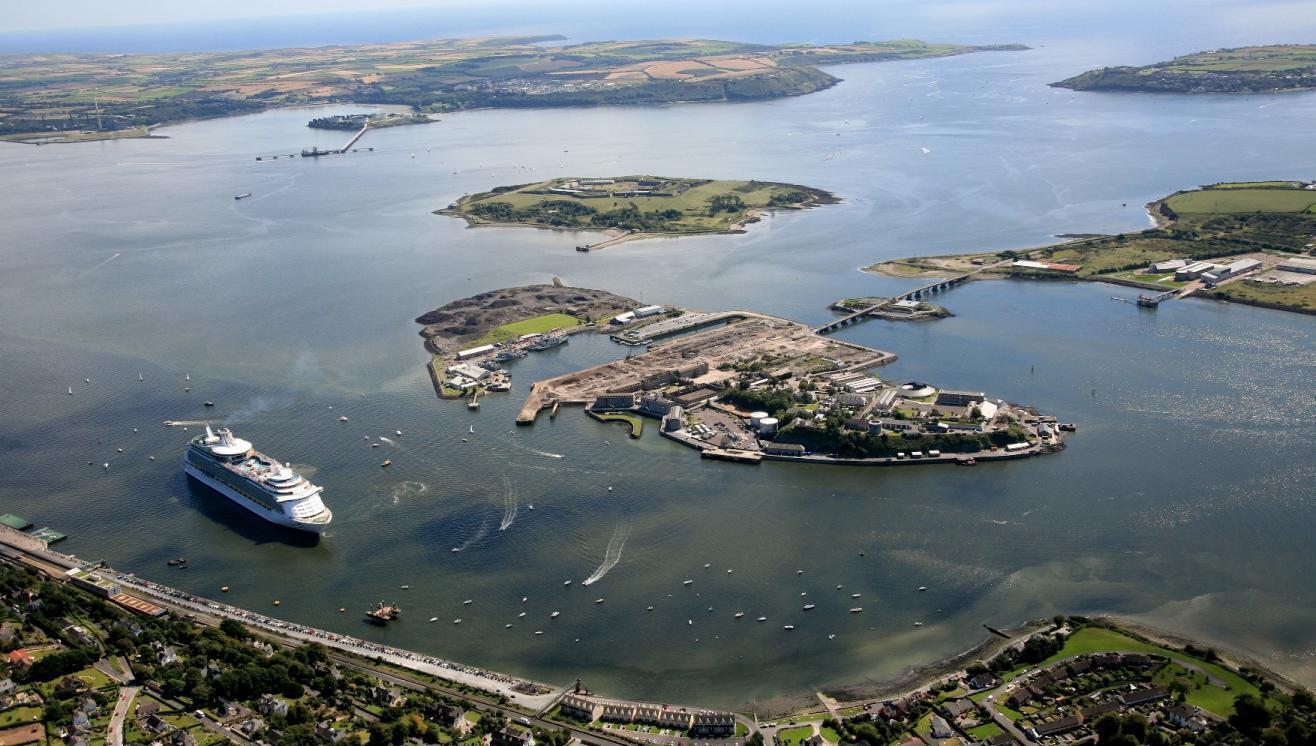
Cork Harbour is the second largest natural harbour in the world with deep-water channels and deep-water berths capable of supporting a thriving green hydrogen sector.
The possibilities around so-called “green hydrogen” and Cork’s enviable position to take advantage of the burgeoning industry have been talked out for years — but the progress is frustratingly slow as Ireland’s long-mooted hydrogen strategy remains unpublished.
A national hydrogen strategy has long been mooted by Government and after a number delays, is due to be published by the end of June.
Cork has been earmarked by Government and business leaders as a potentially leading region for green hydrogen production, with Environment Minister Eamon Ryan extolling the region as suited to lead the way because of existing and natural infrastructure.
Yet further delays to the publication of the national strategy would not be a surprise, however maddening for industry figures.
After all, it was January 2022 when the Government said it would kickstart the national strategy before July of that year, after a major report said Ireland was lagging behind other countries, despite enormous potential.
As other countries in Europe push on with it, Ireland has yet to get out of the blocks.
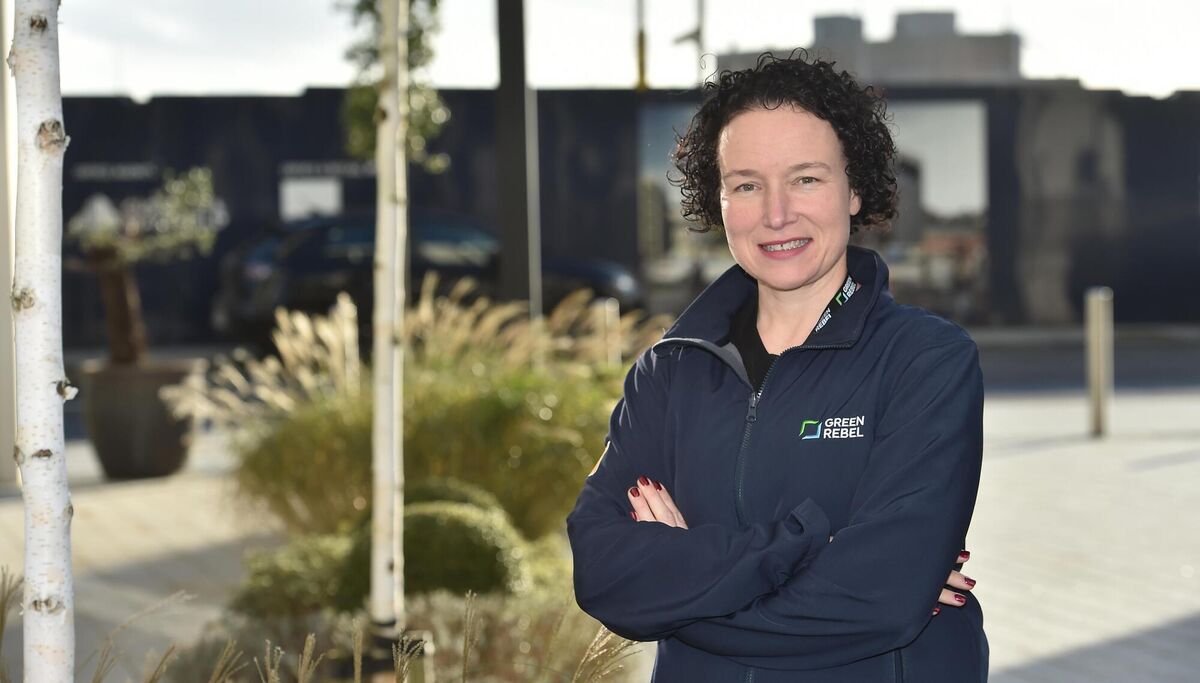
Head of strategy at Cork and Limerick-based offshore survey service company Green Rebel, Catherine Sheridan, said: “We have a huge opportunity within our reach for Cork to become the hydrogen capital of Ireland, producing and storing vast amounts of energy without emitting carbon dioxide. However, ambitious policy decisions and significant investment will be needed if we’re to reach our full potential and claim our place as global leaders in this sector.”
British firm Aurora Energy Research, which is among the biggest power market analytics companies in Europe, said Ireland could become a continental leader in the space, but warned more policy support was needed to realise its potential.
Ireland is currently well behind the curve compared to other European countries when it comes to green hydrogen, which produces energy through the electrolysis of water, while eliminating emissions by using renewable energy.
Its supporters say it could completely revolutionise clean energy, while its detractors say it is too cumbersome and costly to achieve on a mass scale — however, it has turned even the heads of skeptics in recent years as costs come down.
The new analysis from Aurora suggests "production under optimal conditions" would lead to the lowest costs in Europe by 2030, 8% lower than optimal production costs in Spain and 35% lower than in Germany.
Ireland’s competitive advantage stems from its high wind speeds, particularly in the west, compared to other European countries, and rising congestion within the electricity transmission system, the firm said.
Ms Sheridan said Cork is an ideal location for a green hydrogen hub because of its strong renewable energy resources, particularly in the form of wind and solar energy.
“The harbour is the second largest natural harbour in the world with deep-water channels and deep-water berths capable of supporting a thriving green hydrogen sector.
“Cork’s well-established industrial base in chemicals, pharmaceuticals and food processing can benefit from the use of green hydrogen as an energy source or feedstock. The large port and shipping industry could use green hydrogen as a fuel for their vessels, reducing their carbon footprint significantly," she said.
International firms are aware of Cork’s potential, backing up what Aurora’s research has found.
“The Irish government has also demonstrated its commitment to the development of green hydrogen, with a target of producing 2 GW of electrolysis capacity by 2030. Cork has already attracted interest from international companies looking to invest in green hydrogen projects, which will help to drive the development of this industry in the region,” Ms Sheridan said.
Companies like Green Rebel will be key in such projects, she added.
“By engaging local supply chains, offshore wind companies can achieve social licence for such infrastructure which is aligned to the GenComm ideals. The GenComm project has shown that community-owned green hydrogen production and storage systems can be successful in Cork, and with the right investment and support, the region has the potential to become a global leader in the green hydrogen economy.”
GenComm is one of many projects set up by Interreg that is funded by the European Commission, with the intention of turning the northwest of Europe into a major world economic player as well as an attractive place to work and live, according to industry body Hydrogen Ireland.
Aurora’s insights suggest that Ireland’s role would be pivotal — but that we need to get moving.
“The Government aims to install 2GW of offshore wind generation connected to electrolysers by 2030, which could produce up to 138 kilotons of green hydrogen annually," it added.
"Developers could also produce green hydrogen from surplus renewable power that would otherwise be curtailed."
For context, proponents of green hydrogen calculate that one kiloton of hydrogen can be used to fuel 240 buses for one year, produce 20 kilotons of steel, or generate 22.5 gigawatt hours of electricity.
The firm cautioned that for the plans to come to fruition, there would need to be favourable policy changes such as incentives for producers and relief on infrastructure costs.
Aurora head of research for the UK and Ireland, Marlon Dey, said: "Ireland has the potential to become a green hydrogen powerhouse. Its abundance of high wind speeds presents a key competitive advantage, but significant financial support will be critical to kickstarting the industry, either by bringing hydrogen costs in line with natural gas prices, or by paying the cost difference to consumers directly.”
Despite favourable production economics, Ireland is not yet an attractive option for hydrogen developers, the analysis found.
The firm's research product manager for Ireland, Nick Byrne, said: “Aurora’s latest Hydrogen Market Attractiveness Report ranks the Republic of Ireland 14th of the 15 EU countries considered, primarily because it lacks a national hydrogen strategy.
"This is due to change in the spring, potentially propelling Ireland to the other end of the rankings, but only if the strategy addresses all aspects of the market — policy support for supply, demand, and infrastructure is crucial."
Environment Minister Eamon Ryan said that hydrogen, including hydrogen-based fuels and derivatives, “provides us with an incredible opportunity” in Ireland.
“It provides the potential for long-duration energy storage, dispatchable renewable electricity, the opportunity to decarbonise some parts of high-temperature processing and a potential export market opportunity, given Ireland's offshore renewable energy potential. The Government has committed to targeting an initial 2GW of floating offshore wind, which will include projects available for green hydrogen production and other non-grid uses.”
A hydrogen strategy for Ireland is being developed, with an anticipated completion timeline of the second quarter of this year, he added.
“This strategy will set out the need for a robust safety and regulatory framework to be in place, as well as the need to ensure licensing and permitting procedures are in place to enable sustainable indigenously produced green hydrogen supply chains to develop,” he said.
Given such timelines have come and gone before, it would not be a surprise if the second quarter deadline is not met. However, it has to happen soon, lest the “incredible opportunity” be squandered before it even has a chance to get going.

CONNECT WITH US TODAY



Be the first to know the latest news and updates