Officials were optimistic Irish banks insulated from SVB collapse
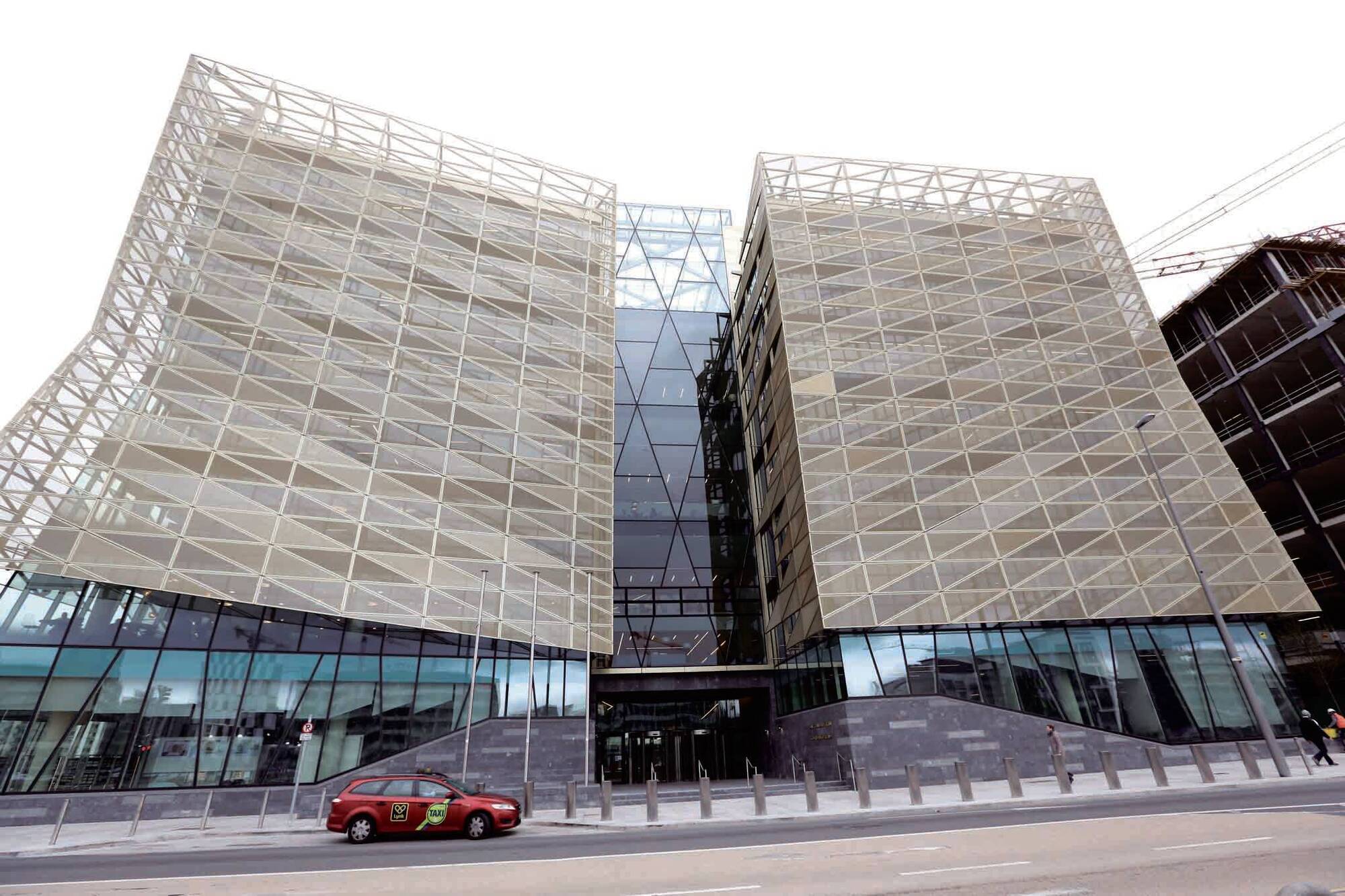
The Central Bank was looking at 'the channels of potential spillover' to the Irish financial sector, including to credit institutions and funds. Picture: RollingNews.ie
The Central Bank said it was closely watching for âbroader spillover risksâ in the aftermath of the collapse of Silicon Valley Bank (SVB).
In meetings of the Financial Stability Group, officials said that direct exposure of the Irish financial system was âminimalâ following the bankâs failure.
However, a meeting on March 13 was told it could have an impact on the technology sector both globally and within Ireland.
In addition, the group heard that some Irish tech firms could experience liquidity issues and loss of credit, including credit card facilities.
The failure had by that stage caused âbroader market turbulenceâ, with the value of banking stocks internationally and domestically affected.
An update from the Central Bank to the meeting said: âDirect exposures of the Irish financial system to SVB were minimal, but broader spillover risks are being actively monitored.âÂ
On March 16, another meeting of the group was told the banking turmoil, which had at that stage affected Credit Suisse, was being watched âcloselyâ.
The Central Bank was looking at âthe channels of potential spilloverâ to the Irish financial sector, including to credit institutions and funds.
A situation report the same day heard the IDA was in âopen dialogueâ with a broad base of its technology clients, especially those in the âemerging/scalingâ category.
Enterprise Ireland had also been hearing of issues for some of its client companies, though the exact details of those were redacted from the Department of Finance records that were released under FOI.
A meeting of the Financial Stability Group on March 21 was told that a briefing had been brought to Cabinet on the âfinancial markets turmoil and global banking concernsâ.
An internal presentation said that Irish banks were âas liquid as banks could be todayâ with âvery sticky deposit franchisesâ.
It said that there were substantial cash balances sitting with the Central Bank and the European Central Bank (ECB).
The presentation said interest rate risk in bond portfolios was âlargely hedgedâ while asset growth and risk-taking had been âvery subduedâ.
âIreland [is] seen by investors as a safe place within Europe,â said the presentation.
It added that the only direct impact of the banking turmoil so far had been a fall in the share prices of Irish banks from recent highs.
âThis reflects a reassessment of profitability over the next few years as ECB may not go as high as previously thought.âÂ
A Department of Finance information note said that the collapse of SVB had happened for a number of very âspecific reasonsâ.
In the note, officials said they did not see a âdirect read-acrossâ to the Irish banking sector but that it would not help with the cost of a large planned debt issuance by Permanent TSB in the coming months.
âThis is a volatile environment where vulnerable businesses and investors can become exposed and contagion risk is very real,â said the note.
It said there had been âhuge volatilityâ in Irish bank shares caused by the fallout from SVBâs collapse with price fluctuations of up to 8% daily.
However, officials were optimistic that Irish banks were insulated as they were âvery heavily biasedâ towards retail deposits.
In addition, the information note said competition was limited in Ireland, with deposits still growing strongly and nothing âmaterial in terms of deposit migrationâ.